Real-Time Strategy or RTS gaming represents a cornerstone of interactive entertainment offering players unparalleled strategic depth. This immersive genre demands quick thinking, meticulous resource management, and tactical execution in dynamic environments. Understanding how RTS truly defines gaming involves exploring its core mechanics from base building and unit control to grand strategic maneuvers. Aspiring commanders and veteran tacticians alike constantly seek insights into mastering these complex systems. The evolving landscape of 2026 sees RTS titles pushing boundaries with advanced AI and integrated online competitive features. This guide helps unravel the essence of RTS gaming. It is crucial for anyone looking to dive into this intellectually stimulating and endlessly replayable gaming segment. Discover the thrill of real-time command and conquer.
Welcome, commanders, to the ultimate living FAQ for all things Real-Time Strategy gaming in 2026! We know you've got questions about how RTS means gaming, whether you're a fresh recruit or a seasoned veteran looking for the latest insights. This comprehensive guide has been meticulously updated for the current meta and patches, diving deep into everything from fundamental concepts and advanced strategies to common issues and the cutting-edge future of the genre. Get ready to enhance your tactical prowess, fix those annoying bugs, discover optimal builds, and truly master the endgame. We're here to answer your most pressing questions, arming you with the knowledge needed to dominate the digital battlefield. Let's conquer the RTS world together!
Beginner Questions
What does RTS stand for in gaming?
RTS means Real-Time Strategy in gaming. It's a genre where players manage resources, build bases, and command armies simultaneously with opponents, without taking turns. Decisions and actions unfold continuously, demanding quick thinking and constant adaptation from the player.
Is RTS gaming suitable for new players?
Absolutely, RTS gaming can be very welcoming for new players. Many modern titles offer excellent tutorials, adjustable difficulty settings, and engaging single-player campaigns. Starting with slower-paced games or co-op modes provides a great introduction to core mechanics without competitive pressure.
What is the main goal in most RTS games?
The main goal in most RTS games is to defeat your opponents by destroying their base, eliminating their units, or achieving specific objectives on the map. This usually involves developing your economy, expanding your territory, and building a powerful army to outmaneuver rival factions.
How do I start building a base in an RTS game?
Typically, you begin with a main command center and a few worker units. Direct these workers to gather initial resources like minerals or wood. Then, use those resources to construct essential production buildings and additional resource collectors. Focus on establishing a stable economy first.
Core Mechanics & Controls
What is "micro" and "macro" control in RTS?
Micro (micromanagement) refers to the detailed control of individual units in combat, like targeting specific enemies or using abilities. Macro (macromanagement) involves managing your overall economy, base building, and unit production from a broader perspective. Both are crucial for success.
Why are hotkeys so important in RTS games?
Hotkeys are vital because they allow players to perform actions much faster and more efficiently than clicking with a mouse. Mastering hotkeys for unit creation, building construction, and ability usage significantly improves your Actions Per Minute (APM) and reaction time, offering a competitive edge.
How do I improve my map awareness in RTS?
Improving map awareness involves constantly checking the mini-map for enemy movements, expansions, or engagements. Place observer units or scout frequently to gain vision. Training your eyes to quickly glance at the mini-map while managing your main screen is a crucial skill for all players.
What is a "build order" and why is it crucial?
A "build order" is a specific sequence of actions (e.g., unit production, building construction, research) at the start of an RTS match. It's crucial because an optimized build order maximizes efficiency, establishes an early advantage, and sets the foundation for your chosen strategy, giving you a competitive start.
Strategies & Tactics
How can I effectively scout my opponent in RTS?
Effective scouting involves sending fast, inexpensive units or workers to your opponent's base early to observe their chosen build path. Pay attention to production buildings and resource gathering. The goal is to gain information on their strategy without losing your scout too quickly, adapting your plan accordingly.
What is a "rush" strategy in RTS?
A "rush" strategy focuses on quickly building an early offensive force to attack and overwhelm an opponent before they can establish their economy or advanced defenses. It relies on speed and surprise, aiming for a decisive early victory by exploiting vulnerabilities in their initial setup.
How do I defend against a common rush tactic?
To defend against a rush, prioritize early scouting to detect it, then produce just enough defensive units or structures to hold off the initial push. Avoid over-committing to defense, aiming to maintain your economic development while deflecting the attack. Counter-attacking after a successful defense is often effective.
What are some common "unit counters" I should know?
Unit counters vary by game, but generally, ranged units counter melee, fast units counter slow, and aerial units counter ground-based. For example, archers often counter heavily armored infantry. Learning specific unit strengths and weaknesses in your game is key to tactical victory.
Multiplayer Issues & Fixes
How to fix FPS (frames per second) drop in RTS games?
To fix FPS drop, first update your graphics card drivers to the latest version. Lower in-game graphical settings like shadows, anti-aliasing, and texture quality. Close background applications, ensure your PC meets minimum system requirements, and check for any overheating issues. Consistent performance is key.
What causes "lag" in RTS and how can I reduce it?
Lag in RTS is often caused by high ping from a poor internet connection or server issues. Reduce it by using a wired Ethernet connection instead of Wi-Fi, closing bandwidth-heavy background applications, and ensuring your internet service is stable. Sometimes, regional server selection also helps reduce latency.
How do I resolve "stuttering fix" issues during gameplay?
Stuttering often stems from driver conflicts, insufficient RAM, or a slow storage drive. Ensure all drivers are updated, especially GPU. Close unnecessary background programs. If on an HDD, consider moving the game to an SSD. Adjusting in-game graphics settings can also alleviate the problem substantially.
Are drivers really that important for RTS performance?
Yes, absolutely. Updated drivers, especially for your graphics card (GPU) and chipset, are extremely important. They ensure optimal communication between your hardware and the game, preventing performance bottlenecks, crashes, FPS drops, and stuttering, leading to a much smoother and more stable gaming experience.
Builds & Classes (Factions)
How do I choose the best faction or race for my playstyle?
Choosing a faction depends on your preferred playstyle: aggressive, defensive, economic, or tech-focused. Experiment in casual games or read faction guides. Some factions excel at early pressure, while others thrive in the late game. Consider their unique units, abilities, and resource mechanics to find your perfect match.
Are there "meta" builds for each faction in 2026?
Yes, the "meta" (most effective tactics available) constantly evolves, even in 2026. Pro players and community analysis quickly identify optimal build orders and strategies for each faction per patch. Following these meta builds provides a strong foundation, but adapting them to specific situations is key for high-level play.
What's the best way to practice new builds effectively?
Practice new builds in custom games against AI or a trusted friend, focusing on execution without pressure. Use replay analysis to spot inefficiencies and timing mistakes. Repeat the build multiple times until muscle memory kicks in, then gradually introduce it into competitive matches, refining as you go.
When should I deviate from a standard build order?
You should deviate from a standard build order when early scouting reveals your opponent is doing something unexpected that your standard plan doesn't counter. Adapt to their rush, tech switch, or aggressive expansion by adjusting your unit production or defensive structures. Flexibility is a hallmark of skilled players.
Endgame Grind & Advanced Play
What characterizes the "endgame" in RTS gaming?
The "endgame" in RTS typically refers to the late stages of a match where both players have fully developed economies, advanced technology, and large, powerful armies. It often involves grand battles, strategic resource denial, and precise tactical engagements as players vie for final map control and decisive victory.
How do I transition smoothly into the RTS endgame?
Smoothly transitioning into the endgame requires continuous economic expansion, consistent unit production, and timely technology upgrades throughout the mid-game. Ensure you have map control, secure additional resource points, and scout for your opponent's late-game army composition. Proactive planning is crucial.
What is "resource denial" in advanced RTS play?
"Resource denial" is an advanced strategy where you actively prevent your opponent from accessing or effectively harvesting critical resources. This can involve destroying their expansions, harassing worker lines, or controlling key resource nodes on the map. It chokes their economy, hindering their ability to build and upgrade.
How important is psychological warfare in high-level RTS?
Psychological warfare is surprisingly important in high-level RTS. It involves using feints, unexpected attacks, or unusual strategies to confuse, frustrate, or bait your opponent into making mistakes. This could be a fake rush, a hidden base, or simply an unorthodox unit composition that throws them off balance.
Bugs & Fixes
My game keeps crashing, what should I check first?
If your RTS game keeps crashing, first verify game file integrity through your launcher (Steam, Epic, Battle.net). Update your graphics drivers and operating system. Check for any known game bugs or recent patch issues. Reduce graphic settings and monitor system temperatures; overheating can cause instability.
Why are my units sometimes unresponsive to commands?
Unresponsive units can be due to severe lag, a temporary software glitch, or unit pathfinding issues in complex terrain. Check your internet connection. Try clicking commands multiple times or grouping units differently. If it persists, restart the game or verify game files. Sometimes a quick alt-tab can refresh things.
Are there common "memory leak" issues in modern RTS games?
Memory leak issues, where a game consumes increasing amounts of RAM over time, can occur in modern RTS games but are less common now. Developers typically patch these quickly. If suspected, monitor RAM usage in Task Manager. Restarting the game often resolves temporary leaks. Ensure your system meets RAM requirements.
How do I report a bug effectively to developers?
To report a bug effectively, provide clear, concise details: what happened, when, and how. Include steps to reproduce the bug, screenshots or video clips if possible, and your system specifications. Use the game's official bug reporting channels to ensure it reaches the development team promptly and accurately.
Myth vs Reality
Myth: RTS games are only for super fast clickers.
Reality: While high APM (Actions Per Minute) helps, strategy and efficient decision-making are far more crucial than raw clicking speed. Many successful players win through superior game sense, build orders, and macro management, proving thoughtful play often trumps sheer quickness. Focus on smart actions, not just fast ones.
Myth: You need to know every single unit counter to win.
Reality: Knowing general unit strengths and weaknesses is essential, but memorizing every specific counter isn't necessary initially. Understanding the rock-paper-scissors dynamic between unit types (e.g., anti-air vs. air, siege vs. buildings) is more important. Adapt based on the situation and broad categories.
Myth: Single-player campaigns are just glorified tutorials.
Reality: Many RTS campaigns offer rich, engaging narratives and unique challenges that stand alone as compelling experiences. They introduce mechanics gradually and provide a deep dive into the game's lore, making them far more than simple training grounds. Some are considered masterpieces in their own right.
Myth: All RTS games require constant base building.
Reality: While many RTS games feature base building prominently, not all do. Sub-genres like "Real-Time Tactics" (RTT) focus purely on unit control and combat without base construction. Always check the game's specific mechanics, as the genre is broad and diverse, offering various gameplay styles.
Myth: Old RTS games are outdated and not worth playing.
Reality: Many classic RTS titles like StarCraft: Brood War or Age of Empires II boast incredible depth, active communities, and robust competitive scenes even today. Their fundamental design often remains timeless, offering a different, yet still highly rewarding, strategic challenge compared to modern releases.
Advanced Player Insights
What is "economic saturation" and why avoid it?
Economic saturation occurs when you have too many workers on a single resource node, reducing the efficiency of each individual worker. Avoid it because it wastes potential income and worker time. Expand to new resource patches or transition excess workers into production to maximize your economic output.
How do pros use "timing attacks" to their advantage?
Pros use "timing attacks" by hitting an opponent when they are weakest, often after a specific tech upgrade or economic boost. It leverages a temporary power spike to deal significant damage before the opponent can react or counter. These attacks are precisely calculated and often game-ending if executed well.
What is "control group management" in high-level play?
Control group management is the advanced technique of assigning specific units or buildings to numerical hotkeys (control groups) for rapid selection and command. High-level players use many control groups to juggle multiple army segments, harass locations, and production facilities simultaneously with precision.
Endgame Grind & Advanced Play
What are key "map control" strategies in 2026?
Key map control strategies in 2026 involve securing critical resource nodes, establishing vision with watchtowers or scout units, and denying opponent movement through strategic unit placement. Controlling choke points and expansion areas provides both economic advantage and tactical information, crucial for late-game dominance.
Community & Esports
How can I get involved in the RTS esports scene?
To get involved, start by watching professional streams and tournaments to learn strategies. Join community Discord servers or forums for your favorite game. Participate in online ladders and local tournaments. Practice consistently, seek feedback, and connect with other aspiring players to grow your skills and network.
Tips & Tricks
What's a good "trick" for improving early game efficiency?
A great trick for early game efficiency is "worker queueing." Instead of just building one worker, queue up several at your main base. This ensures continuous worker production without constant attention, freeing you to focus on scouting or initial building placement. It keeps your economy steadily growing from the start.
Are there specific "guides" I should follow for my faction?
Yes, absolutely look for faction-specific guides! Popular gaming websites and community forums often host detailed guides for each race or faction. These resources cover optimal build orders, unit compositions, and strategic advice tailored to that particular playstyle, giving you a strong roadmap for success. Seek out 2026 updated versions.
Still have questions about how RTS means gaming?
Don't stop here! Dive deeper with our most popular related guides:
- Advanced RTS Hotkey Guide for Pro Players
- Mastering Economy Management in StarCraft II
- Top 5 RTS Games for Beginners in 2026
- Deep Dive: Understanding Unit Pathfinding Mechanics
Ever wondered what "RTS" actually means in the vast universe of gaming, or why so many players are completely obsessed with it? You're definitely not alone in asking "how does RTS mean gaming" because it is a foundational genre. It stands for Real-Time Strategy, and it is less about quick reflexes like an FPS (First-Person Shooter) and much more about your brainpower. Imagine orchestrating an entire army or developing a sprawling civilization all at once, making critical decisions second by second. That intense strategic challenge is exactly what defines RTS gaming for countless enthusiasts globally. It is an experience that truly tests your tactical genius and adaptive planning skills. Let's peel back the layers on this captivating genre together, understanding its immense impact on the gaming world. From legendary classics to cutting-edge 2026 titles, RTS continues to evolve, pushing the boundaries of strategic engagement. Prepare to command your forces and dominate the digital battlefield.
Unpacking Real-Time Strategy: The Core Experience
Real-Time Strategy games put you in direct command of an army, economy, or settlement without the luxury of turn-based pauses. This continuous flow of action means your decisions must be swift and your planning constant, adapting to changing battlefield conditions. Players collect vital resources, construct new buildings, and train diverse units to expand their influence and overcome opponents. It is a dynamic dance between economic growth, technological advancement, and direct military confrontation. The genre emphasizes high-level strategic thinking coupled with precise tactical execution. Many pro players spend years honing their skills, mastering complex build orders and unit counters. This strategic depth is why RTS remains a cornerstone of competitive gaming. Understanding this continuous, evolving decision-making process is essential for success.
Key Pillars of RTS Gaming
- Resource Management: Collecting various materials like gold, lumber, or minerals is crucial for fueling your base and unit production. Efficient gathering directly impacts your ability to scale.
- Base Building: Establishing and expanding your operational hub provides a steady stream of new units, upgrades, and defensive structures. Your base is your lifeline, requiring careful protection.
- Unit Control: Micro-managing individual units or small groups in combat can significantly swing battles in your favor. Correct positioning and ability usage are vital for tactical victories.
- Macro Management: This involves overseeing your entire economy, production queues, and overall strategic map presence. A strong macro foundation supports aggressive or defensive plays.
- Technological Advancement: Researching new technologies unlocks stronger units, improved abilities, and economic bonuses. Staying ahead of your opponent's tech curve is often decisive.
The Evolution of RTS: From Past to 2026 Innovations
The RTS genre has a rich history, evolving from early titles like Dune II to the complex ecosystems of modern games. Early pioneers established foundational mechanics that still resonate strongly within contemporary releases. Today, 2026 sees RTS innovating with advanced AI systems that offer dynamic challenges and personalized opponent behaviors. We are also witnessing incredible leaps in multiplayer infrastructure, reducing lag and enhancing global competitive play. Cloud gaming integration is making RTS more accessible to players across different devices, broadening its appeal. These technological advancements ensure that RTS remains a vibrant and continually engaging genre for players worldwide. The future promises even more immersive and strategically intricate experiences for dedicated fans.
What Defines Modern RTS in 2026?
- Dynamic AI Opponents: Adaptive AI learns player strategies, offering unique and personalized challenges in single-player campaigns. This increases replayability substantially.
- Enhanced Multiplayer Ecosystems: Robust matchmaking, spectating modes, and integrated tournament platforms foster thriving competitive scenes. Global leaderboards drive intense rivalries.
- Cross-Platform Play: Many new RTS titles support seamless play across PC and console, although often with adjusted control schemes. This expands the player base significantly.
- Advanced Visuals and Physics: Immersive graphics and realistic environmental interactions make battles feel more impactful and visually stunning. Destruction physics adds another layer.
- Narrative Depth: Campaigns are increasingly featuring compelling storylines and character development, drawing players deeper into their respective universes. Lore becomes more central.
Beginner / Core Concepts
1. Q: "What exactly does RTS mean in gaming, and why is it important?"
A: Hey there, great question! RTS simply means Real-Time Strategy in gaming, and it's super important because it defines a whole genre where you're making decisions and commanding units without any pauses, all happening in real-time. It's not like chess where you take turns; everything unfolds continuously. This continuous action demands quick thinking and constant adaptation, making it a cornerstone of strategic gaming. Understanding RTS means diving into games where planning, resource management, and tactical execution all happen simultaneously. It's a fantastic way to test your ability to juggle multiple tasks and outsmart opponents on the fly. You've got this! Try watching some pro matches to see the real-time chaos in action.
2. Q: "I'm new to RTS games. What's the absolute first thing I should focus on learning?"
A: I get why this confuses so many people starting out, there's so much to learn! If you're completely new, the absolute first thing you should focus on is mastering your economy and resource gathering. Seriously, it's the foundation of everything else. Without a steady flow of resources, you can't build your base, train units, or research upgrades. So, learn how to efficiently harvest resources and expand your production buildings.
- Understand your primary resource gatherers (e.g., SCVs, Peasants, Drones).
- Identify the most efficient placement for resource buildings.
- Prioritize continuous resource collection even during combat.
3. Q: "Are RTS games really difficult, or can a casual player enjoy them too?"
A: This one used to trip me up too, as RTS games often have a reputation for being super hardcore, but honestly, they absolutely can be enjoyed by casual players! While the competitive scene is intense, most RTS titles offer fantastic single-player campaigns, cooperative modes, and difficulty settings tailored for beginners. You don't need lightning-fast clicks to appreciate building a thriving civilization or commanding epic battles.
- Start with campaigns to learn mechanics at your own pace.
- Play against easier AI opponents to practice strategies without pressure.
- Explore co-op modes with friends for a more relaxed experience.
4. Q: "What are the key elements that make an RTS game fun and engaging?"
A: That's a fantastic question about what truly makes RTS games tick for so many of us! The core fun really comes from the constant mental challenge and the immense satisfaction of seeing your plans unfold successfully. It's a blend of several thrilling elements:
- Strategic Depth: There are always multiple ways to win, encouraging creative problem-solving.
- Decision-Making Under Pressure: The real-time aspect forces quick, impactful choices.
- Base Building & Progression: Watching your small settlement grow into a powerful empire is incredibly rewarding.
- Tactical Combat: Executing precise unit maneuvers and outsmarting an opponent in battle feels amazing.
- Variety: Different factions, units, and maps ensure every game feels fresh and unique.
Intermediate / Practical & Production
5. Q: "How important is 'micro' versus 'macro' in a typical RTS game in 2026?"
A: This is a classic debate, and honestly, both 'micro' and 'macro' remain incredibly important in 2026 RTS titles, but their balance can shift depending on the specific game and your chosen strategy. 'Macro' refers to your overall economy, resource management, and base building – the big picture. 'Micro' is about the precise control of individual units in combat, like dodging attacks or using abilities at just the right moment.
- Macro Foundation: A strong macro provides the resources and units needed for any engagement. You can't micro effectively if you don't have an army.
- Micro Edge: Excellent micro can win seemingly unwinnable battles, turning the tide with clever unit positioning or ability usage.
- Game Specifics: Some games emphasize one over the other. StarCraft II, for instance, demands high levels of both.
6. Q: "What are some common build order mistakes that intermediate players often make?"
A: Oh man, build orders are tricky! Even experienced players make mistakes here, and I totally get why it's a pain point. A very common one for intermediate players is not adapting their build order to scout information. They often stick to a rigid plan, regardless of what their opponent is doing.
- Ignoring Scouting: You open with a fast expansion, but your opponent is rushing you with early units – boom, you're dead. Scout, interpret, adapt.
- Inefficient Resource Spending: Having too much unspent resource floating around indicates you're not building enough units or expanding quickly. Keep that money working!
- Delayed Tech: Sometimes players get stuck in early-game units and forget to upgrade their tech tree, leaving them vulnerable to stronger late-game compositions.
- Poor Chrono/Inject/Mule Usage (StarCraft reference): Forgetting to use these critical economic boosts consistently is a huge macro miss.
7. Q: "How can I effectively counter rush strategies in RTS games without falling too far behind?"
A: Countering rushes effectively is a fine art, and it's something every intermediate player struggles with initially. The key is early detection and appropriate defensive measures without over-committing. You want to deflect the rush, not just blindly turtle.
- Early Scouting: Crucial! Send a worker or scout unit early to see what your opponent is building. Are they going for an early attack?
- Minimal Defense: Build just enough defensive units or structures to hold off the initial push, then immediately transition back to your economic plan. Don't build too many static defenses if mobile units are better.
- Worker Advantage: If you successfully defend with minimal losses and your opponent committed heavily to the rush, your worker count will likely be higher, giving you an economic lead.
- Counter-Attack Threat: Sometimes, producing a few offensive units during your defense can force your opponent to retreat, buying you time.
8. Q: "What are some good strategies for improving my APM (Actions Per Minute) and overall speed?"
A: Improving your APM and speed isn't just about clicking faster; it's about efficient actions and muscle memory. I get why this feels daunting, but it's totally achievable with focused practice.
- Hotkeys, Hotkeys, Hotkeys: This is non-negotiable. Learn all the hotkeys for unit production, abilities, and camera locations. This drastically cuts down mouse travel.
- Practice Drills: Many games have custom maps or training mods designed to improve specific mechanics like worker management or unit micro. Use them!
- Constant Production: Always be building workers and units. Never let your production structures sit idle. This keeps your APM consistently high and productive.
- Multi-Tasking: Practice doing two things at once, like building your base while scouting or harassing. Start small, then add more layers.
9. Q: "How do I deal with 'lag' or 'stuttering fix' issues that hurt my RTS performance?"
A: Ugh, lag and stuttering are the absolute worst, especially in a real-time game where every millisecond counts! It's super frustrating, and I totally get why it can ruin a match. Usually, it's a mix of your internet connection and system performance.
- Internet Stability: Use a wired Ethernet connection instead of Wi-Fi for better stability and reduced ping.
- Close Background Apps: Shut down bandwidth-hogging programs like streaming services or large downloads.
- Update Drivers: Make sure your graphics card drivers, especially, are up-to-date. Outdated drivers are a common cause of FPS (frames per second) drop and stuttering. Check NVIDIA, AMD, or Intel websites for the latest.
- In-Game Settings Optimization: Lower graphics settings like shadows, anti-aliasing, and texture quality. Some settings are more resource-intensive than others.
- System Specs: Ensure your PC meets the game's recommended specifications. If not, consider upgrading key components like RAM or your GPU.
10. Q: "What are some effective ways to scout my opponent without losing my scouting unit early?"
A: Scouting is absolutely vital for making informed decisions, but losing your scout too early is a wasted investment. The trick is to be evasive and smart about your movements.
- Worker Scout timing: Send your initial worker scout at a precise time (game-dependent) to catch early builds without being intercepted.
- Pathing: Don't take the most obvious path. Hug the edges of the map or use terrain features to avoid detection.
- Sacrificial Scouts (later game): Sometimes a cheap, expendable unit is worth the information it provides, even if it dies. Use a Zergling or Marine for a quick peek.
- Observe Production Buildings: The most critical information is often found near their main base: what buildings are they constructing? Are they teching up or massing early units?
- Map Awareness: Continuously check the mini-map for enemy unit movements outside your base.
Advanced / Research & Frontier 2026
11. Q: "How are 2026 frontier AI models influencing RTS game development and player experience?"
A: This is where things get super exciting! 2026 frontier AI models like o1-pro and Gemini 2.5 are absolutely revolutionizing RTS game development and the player experience. They're moving far beyond simple scripting.
- Dynamic Opponent AI: AI can now learn and adapt to player strategies in real-time, offering incredibly challenging and personalized single-player experiences that feel truly human. Imagine an AI that specifically counters your favorite build order.
- Procedural Content Generation: AI helps generate unique maps, scenarios, and even mission objectives on the fly, vastly increasing replayability.
- Player Coaching & Feedback: Advanced AI can analyze your gameplay, identify weaknesses, and provide intelligent, tailored tips for improvement, acting as a personal coach.
- Realistic Unit Behavior: Units are exhibiting more nuanced, emergent behaviors, making them feel less robotic and more like independent actors on the battlefield.
- Balance Testing & Optimization: AI models can simulate thousands of matches to quickly identify balance issues and optimize game mechanics before release.
12. Q: "What's the role of 'predictive analytics' in high-level competitive RTS play in 2026?"
A: Predictive analytics in 2026 competitive RTS is becoming an absolute game-changer, especially at the professional level. It’s essentially leveraging data to anticipate opponent actions and optimize your own strategy with incredible precision.
- Opponent Profiling: Pro teams use sophisticated tools to analyze opponent tendencies, common build orders, and preferred unit compositions based on past games.
- Meta-Game Analysis: Data helps identify dominant strategies ("the meta") and how they evolve, allowing players to prepare counters or innovate new approaches.
- Real-time Decision Support (external tools): While often banned in official tournaments, some advanced players use tools that analyze in-game data (like economy ratios, unit counts) to suggest optimal responses.
- Resource Allocation Optimization: Algorithms can help determine the most efficient resource spending patterns based on predicted game states.
13. Q: "How are cloud-based gaming and streaming services impacting the accessibility and future of RTS?"
A: Cloud-based gaming and streaming services are making a massive impact on the accessibility and future trajectory of RTS games in 2026. They're breaking down traditional hardware barriers, which is huge!
- Lower Entry Barrier: Players no longer need high-end gaming PCs to enjoy graphically intensive RTS titles; a decent internet connection is often enough. This opens the genre to a much wider audience.
- Cross-Device Play: You can potentially play your favorite RTS on a tablet, a smart TV, or a low-spec laptop, seamlessly transitioning between devices.
- Instant Access: No lengthy downloads or installations; you can jump into a game almost instantly, which is fantastic for discoverability.
- Demo Opportunities: Developers can offer easy-to-access demos through cloud platforms, letting players try before they buy without friction.
- Global Competitive Scene: Reduced latency through localized cloud servers means players worldwide can compete with better connections, fostering a more globalized esports scene.
14. Q: "What role will 'Llama 4 reasoning' and similar frontier models play in designing dynamic campaign narratives for RTS games?"
A: This is a fascinating area where Llama 4 reasoning and other frontier models are poised to make truly groundbreaking contributions to RTS campaign narratives. We're talking about moving beyond static, pre-written stories.
- Adaptive Storylines: Imagine a campaign that dynamically changes based on your in-game decisions, your successes, or even your failures. Llama 4 could generate new mission objectives, character interactions, or plot twists.
- Personalized Character Arcs: NPCs could develop and react uniquely to your playstyle, creating a more personalized and immersive story experience. Your general's relationship with you might shift dramatically.
- Emergent Lore Generation: The AI could expand the game's lore on the fly, generating backstory for new units, locations, or factions that arise during gameplay.
- Dynamic Dialogues: Instead of canned lines, characters could engage in more contextually aware and diverse conversations, making the world feel more alive.
- Ethical Dilemmas & Consequences: AI could craft complex moral choices with far-reaching consequences that ripple throughout the campaign, creating truly unique player journeys.
15. Q: "How are professional RTS players leveraging advanced analytics and telemetry to gain competitive advantage in 2026 tournaments?"
A: Pro RTS players in 2026 are definitely taking competitive advantage to the next level by intensely leveraging advanced analytics and telemetry. It’s less about raw skill and more about data-driven mastery.
- Post-Match Analysis Tools: These tools provide incredibly detailed breakdowns of games, tracking everything from resource expenditure and unit efficiency to APM peaks and map control percentages. Players review their own and opponent's games.
- Heatmaps and Pathing: Visualizations show where players spend most of their time, where engagements occur, and optimal scouting routes. This identifies inefficiencies or predictable patterns.
- Meta-Game Drift Detection: Analytics detect subtle shifts in the competitive meta-game faster, allowing pros to adapt their strategies or invent new ones before others.
- Biometric Data (emerging): Some high-level teams are even experimenting with integrating biometric data (heart rate, eye tracking) to understand performance under pressure and optimize training.
- Simulation & Prediction Models: While complex, some teams use models to simulate potential scenarios and predict optimal responses to specific opponent strategies.
Quick 2026 Human-Friendly Cheat-Sheet for This Topic
- RTS is Real-Time Strategy: Think constant action, no pauses, and managing everything all at once!
- Master Your Economy First: Always prioritize gathering resources and building workers; it's your game's engine.
- Hotkeys are Your Best Friend: Seriously, learn them to drastically boost your speed and efficiency.
- Scout Early & Often: Information is power; know what your opponent is doing to react effectively.
- Don't Fear the AI: Campaigns and easy difficulties are perfect for learning without intense pressure.
- Lag Fixes are Key: Use wired internet, update drivers, and optimize settings for smooth gameplay.
- AI is Changing Everything: Expect smarter opponents and more dynamic stories in future RTS titles thanks to 2026 frontier models.
RTS means Real-Time Strategy in gaming. Focuses on real-time decision-making, resource management, and tactical combat. Players command armies, build bases, and execute strategies simultaneously with opponents. Key elements include economic development, technological upgrades, and unit micro/macro management. Popular examples span historical, fantasy, and sci-fi settings. Demands quick thinking, adaptability, and forward planning. Offers deep competitive play and strategic depth for various skill levels.
34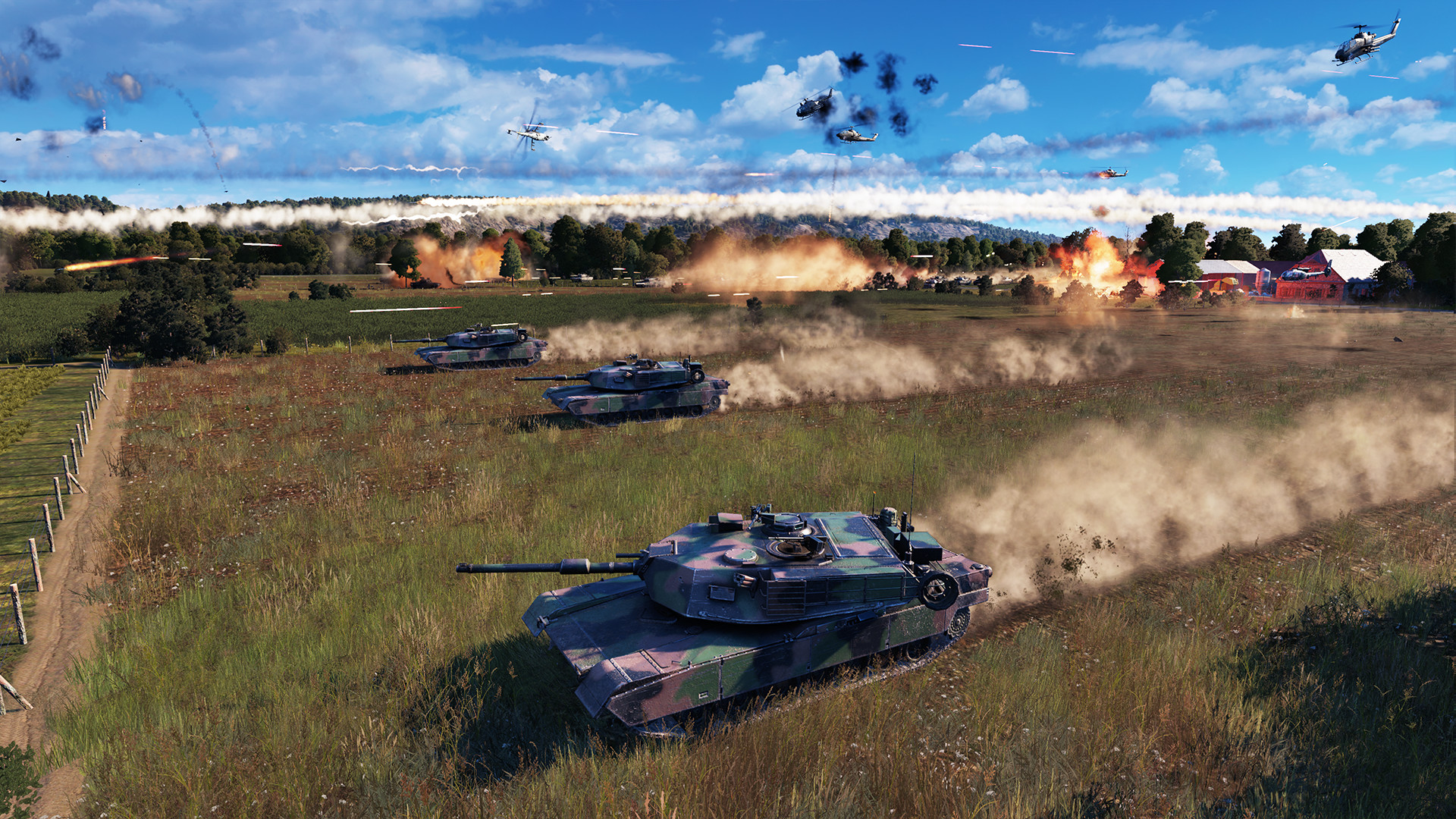


Strategy And Wargaming News 1 February 2026 Dawn Of War 4 MENACE The 10 Best RTS Games To Play In 2026 My Definitive List . The 15 Best Real Time Strategy RTS Games Coming In 2026 The 10 Best Real Time Strategy RTS Games Coming In 2026 . Top 15 Upcoming RTS Games 2025 Latest Real Time Strategy YouTube . Top 15 Upcoming RTS Games Of 2025 YouTube . The Best RTS Games On PC In 2026 Best Rts Games


RTS Games Meaning All You Need To Know Rts Games Meaning . RTS Genre What Is An RTS In Gaming YouTube Maxres2 . Go To War For Westeros In A New Game Of Thrones RTS Coming In 2026 PC 480 80 . Top 10 Most Anticipated Games Of 2026 What To Watch Out For GAMES IN 2026 . Best RTS Games On PC 2026 Building An Army Age Of Empires 4 Rus Guide 550x309

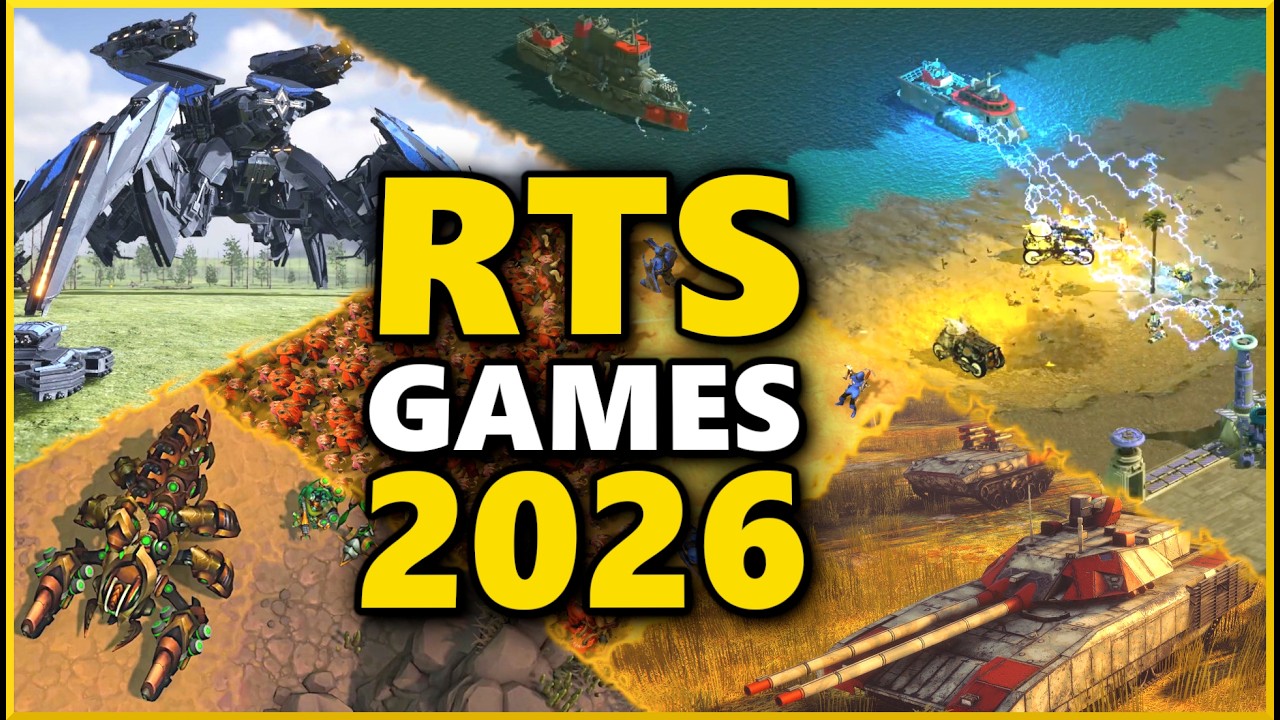



RTS Genre What Is An RTS In Gaming YouTube . New And Upcoming RTS Games In 2026 With Developers Answering What Makes . Highlights Why Smart Strategy Matters More Than Speed In WhatsApp Image 2026 03 31 At 11.17.20 AM 600x400 . RTS Games Meaning All You Need To Know What Does RTS Mean In Gaming 300x90 . 15 New RTS Games 2024 Upcoming Real Time Strategy Games YouTube



Future Of The RTS Genre Challenges Faced By Developers Making New . This NEW RTS Game Does NOT Waste Your Time YouTube . What Makes RTS Games Fun Why We Play RTS GameCloud Why We Play RTS . How Do I Clip Recent Video Game Moments 2026 Video Game Release Dates Post Feature Image . My Current Steam Wishlist 2025 2026 New Games YouTube




What Does RT Mean In Text Its Usages And Examples 2026 1766637272. RTS Futures Careers Fair 2026 Royal Television Society FINAL Careers Fair 2026 . 7 New RTS Games In January 2025 You Must Try YouTube . What Does RT Mean On Twitter And Text Full Form Explained Rt. TOP 50 BIGGEST NEW Games Coming In 2026 With Crazy NEXT GEN 4K Graphics



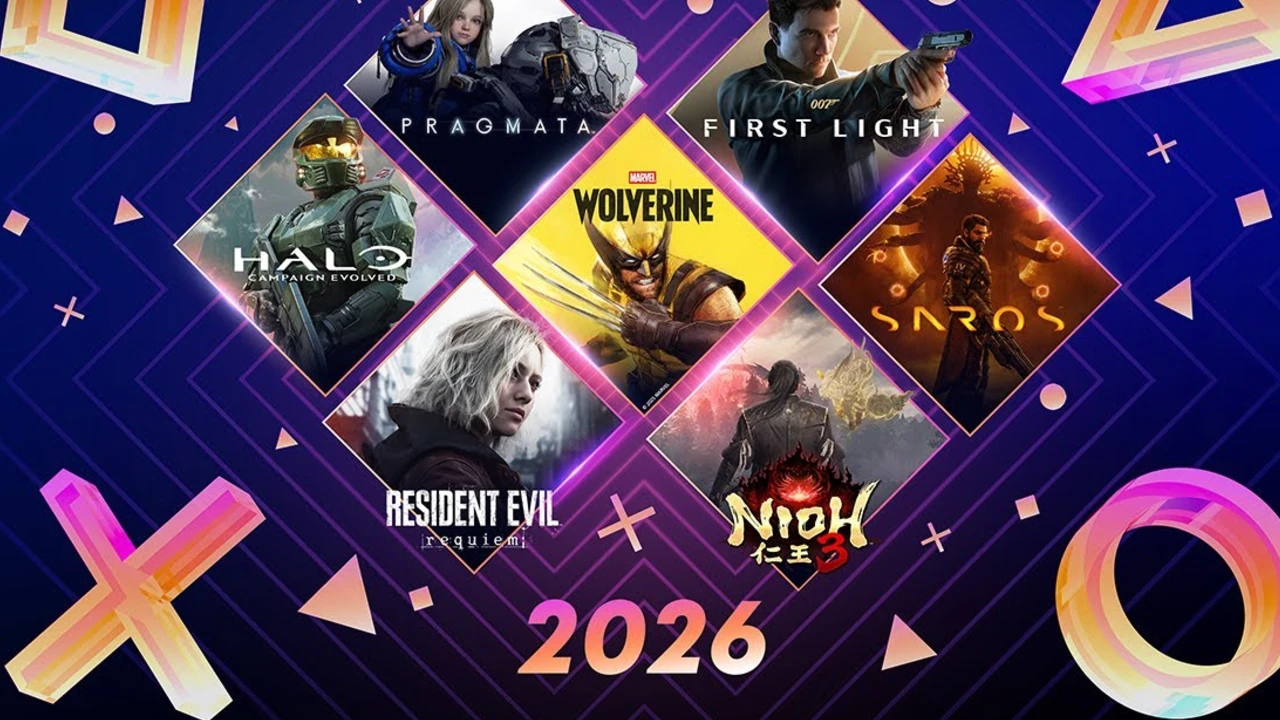

Retail Technology Show To Bring The Funk Flair And Future Of Retail As RTS Hero Image . TOP 21 NEW Upcoming Games Of 2026 YouTube . 20 Great RTS Games On Steam YouTube . TEST Tormented Souls 2 Oldschool Horror Ist Noch Nicht Tot Playstation 2026 Teaser.webp. Best RTS Games On PC 2026 Classic Modern Real Time Strategy Picks Best Rts Games Pc.webp

Top 10 Best RTS Games Of All Time For PC YouTube . TOP 40 BIGGEST NEW Games Coming In 2026 With Crazy NEXT GEN 4K Graphics . Valve Hardware 2026 Steam Frame Steam Machine Und Steam Controller Xgp 2026 01.webp. 10 Best RTS Games 2025 YouTube