Navigating the world of gaming platforms can be daunting especially for busy adults balancing life work and leisure Is gaming better on PC This article dives deep into the perennial debate offering a comprehensive guide for those wondering if the investment in a PC is truly worth it in 2026 We will explore customization performance social aspects and cost effectiveness providing practical insights and real-world statistics to help you make an informed decision Many gamers today averaging over 10 hours a week across various platforms seek not just entertainment but also a robust flexible and community-rich experience PC gaming has evolved significantly offering unparalleled control and a vast library of titles from esports to cozy indie games This guide will address common pain points like setup difficulties budget concerns and finding time to play ensuring you understand the true value proposition of PC gaming.
Is PC gaming truly superior to console gaming?
While 'superior' is subjective, PC gaming generally offers advantages in graphics fidelity, frame rates, customization, and game library depth. PCs allow for higher resolutions, faster refresh rates, and the ability to fine-tune graphics settings beyond what consoles typically permit. The open ecosystem also provides greater flexibility in hardware and software choices, appealing to users who prioritize control and cutting-edge performance. However, consoles offer simplicity and a lower initial cost, which can be 'superior' for casual gamers.
How much does a good gaming PC cost in 2026?
In 2026, a good gaming PC capable of running most modern titles at 1080p high settings will typically cost between $800 and $1200 USD. For those aiming for 1440p or high refresh rate 1080p gaming, a budget of $1500 to $2500 USD would secure a more powerful system. High-end 4K gaming rigs can easily exceed $3000 USD. Prices fluctuate based on component sales and market trends, so smart shoppers can find better deals.
What are the essential components for a gaming PC?
The essential components for a gaming PC include a powerful Central Processing Unit (CPU) like an Intel Core i5/i7 or AMD Ryzen 5/7, a dedicated Graphics Processing Unit (GPU) such as an NVIDIA GeForce RTX or AMD Radeon RX series, at least 16GB of DDR4 or DDR5 RAM, and a fast Solid State Drive (SSD) for the operating system and games (500GB-1TB recommended). You'll also need a compatible motherboard, a power supply unit (PSU), a case, and an efficient cooling solution for the CPU.
Can I play cross-platform games with friends on consoles from my PC?
Yes, cross-platform play has become a widespread feature in 2026, allowing PC gamers to play with friends on PlayStation, Xbox, and sometimes even Nintendo Switch. Popular titles like Call of Duty, Fortnite, Apex Legends, and Minecraft all support cross-play. This trend continues to grow, fostering a more connected gaming community regardless of the platform players choose, making it easier to socialize and compete with your entire friend group.
What kind of maintenance does a gaming PC require?
Maintaining a gaming PC involves a few key practices. Regular software maintenance includes keeping your operating system and graphics drivers updated, periodically clearing temporary files, and scanning for malware. Hardware maintenance involves cleaning dust from fans and components (especially the GPU and CPU cooler) every few months to prevent overheating. It's also wise to monitor component temperatures and ensure good airflow within your PC case to prolong hardware lifespan and maintain optimal performance.
Are there free to play PC games that are actually good?
Absolutely, the free-to-play (F2P) PC gaming market is thriving with incredibly high-quality titles in 2026. Games like League of Legends, Valorant, Genshin Impact, and Fortnite offer deep, engaging experiences without an upfront cost. Many F2P games also provide extensive content updates and vibrant communities. While some offer optional in-game purchases for cosmetics or convenience, the core gameplay is often excellent and completely accessible, making F2P a great way to experience top-tier gaming on a budget.
How do I choose the right monitor for PC gaming?
Choosing the right gaming monitor involves considering resolution, refresh rate, and response time. For competitive gaming, prioritize high refresh rates (144Hz+) and low response times (1ms) for a smooth, responsive experience. For immersive single-player games, a higher resolution (1440p or 4K) offers stunning visuals. Panel type (IPS for color accuracy, VA for contrast, TN for speed) and adaptive sync technology (G-Sync or FreeSync) are also important factors to match with your GPU and preferences. Evaluate your budget and primary game types to make the best choice.
Are you one of the millions of US gamers, perhaps averaging around 36 years old, who finds themselves pondering the age-old question: is gaming truly better on PC? It's a debate that sparks passionate arguments, but for many of us balancing a job, family, and other life commitments, the real question isn't just about raw power. It's about value, flexibility, community, and ultimately, how gaming fits into our busy lives. You want an experience that offers relaxation, fun, and perhaps even a bit of skill-building, without the headache of constant technical issues or breaking the bank. This comprehensive guide will cut through the hype and provide clear, actionable insights into whether PC gaming is the right choice for you in 2026, addressing your concerns about setup, performance, social play, and smart spending.
US gaming trends in 2026 show that while mobile gaming dominates in sheer numbers, with 87% of gamers regularly engaging, the PC platform remains a powerhouse for dedicated players. Many gamers, averaging over 10 hours a week, seek deeper immersion and competitive edges that only a PC can fully deliver. We're here to help you navigate those waters, from understanding why so many choose PC to optimizing your setup on a budget and finding the perfect games for your limited free time. Let's explore the benefits, tackle the challenges, and help you unlock the best possible gaming experience.
Is Gaming Better on PC Why Many Gamers Choose It
For a significant portion of the gaming community, especially those seeking maximum control and flexibility, the answer to 'is gaming better on PC' is a resounding yes. PC gaming offers an open ecosystem where players can customize nearly every aspect of their experience, from hardware components to software settings. This freedom allows for tailored performance, visual fidelity beyond what consoles typically offer, and access to a vast, diverse library of games. It's about empowering the player to craft their ideal setup, whether for competitive esports or immersive single-player adventures, truly optimizing every frame and pixel for their personal preference and budget.
What Are the Main Advantages of PC Gaming Over Consoles
PC gaming brings several distinct advantages to the table. Firstly, superior graphical fidelity and frame rates are often achievable on PC, allowing for smoother, more visually stunning gameplay that consoles can struggle to match, especially on their standard models. Secondly, the sheer breadth of the game library is massive, encompassing thousands of titles from various storefronts like Steam, Epic Games Store, and GOG, often with better sales and backward compatibility than consoles. Thirdly, PCs are multipurpose machines; they're not just for gaming but also for work, content creation, and general productivity, making them a more versatile investment for many households.
How Does PC Customization Impact Your Gaming Experience
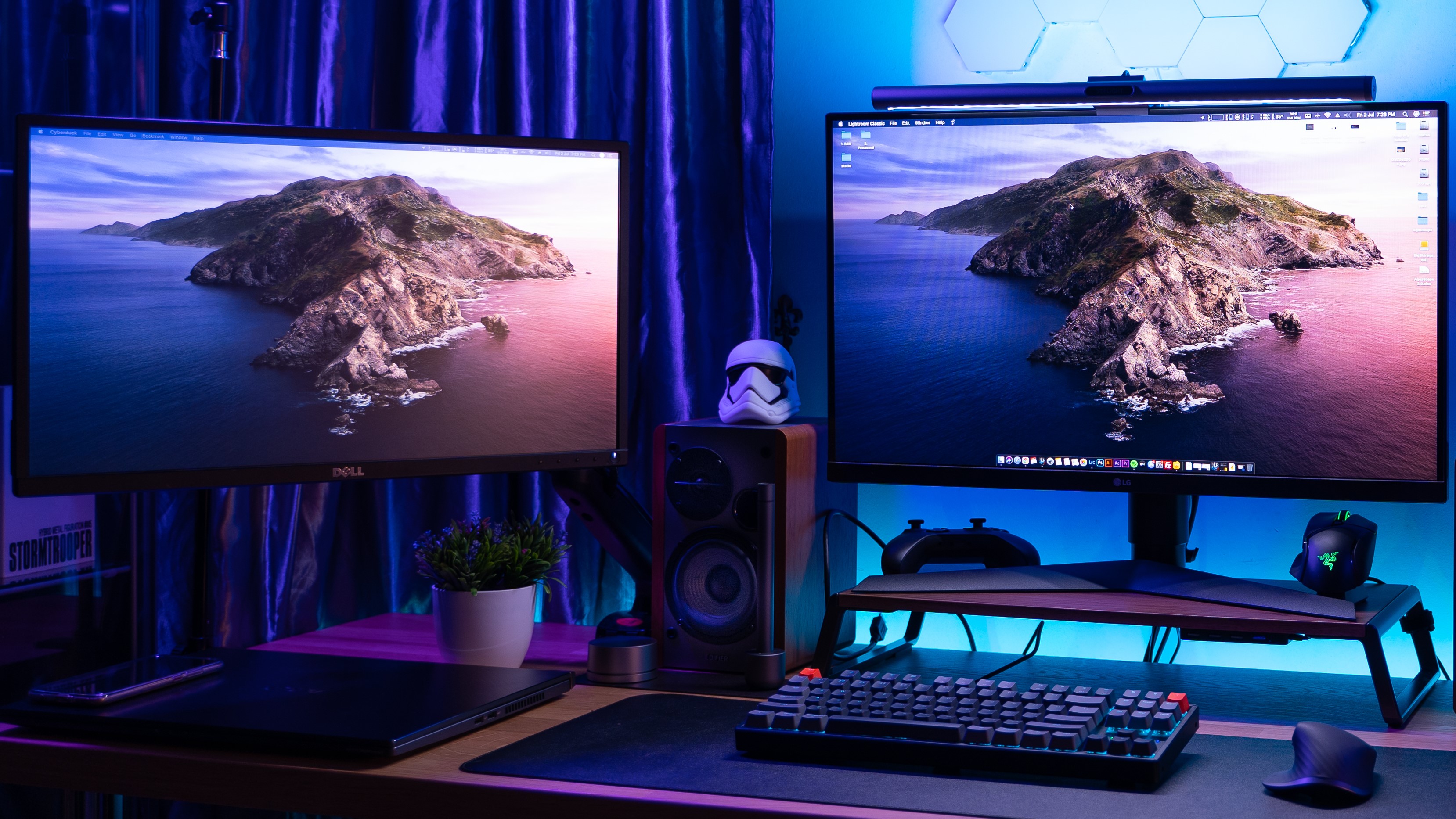
Customization is a cornerstone of PC gaming, offering unparalleled control over your experience. This starts with hardware: you can choose your CPU, GPU, RAM, storage, and even cooling solutions, tailoring your build to your specific needs and budget. This means you can prioritize frame rates for competitive shooters, visual quality for open-world RPGs, or even a quiet operation for late-night sessions. Beyond hardware, customization extends to peripherals like keyboards, mice, and monitors, allowing for optimized ergonomics and responsiveness. Software also plays a role, with utilities for overclocking, fan control, and game-specific settings that let you fine-tune performance and aesthetics. This level of personalization directly impacts immersion and competitive edge, ensuring your setup feels uniquely yours.
Can PC Gaming Be Affordable for the Average Gamer
Despite the perception that PC gaming is inherently expensive, it can actually be quite affordable, especially over the long term. Initial investment might seem higher than a console, but the modular nature of PCs means you can upgrade components incrementally rather than replacing an entire system every few years. Furthermore, PC game sales are frequent and often deeper than console sales, reducing the cost of building a game library. Many excellent free-to-play titles also thrive on PC, from popular competitive games to engaging indie experiences. For those on a budget, considering a pre-built system or buying used components can significantly lower the entry barrier, proving that high-quality PC gaming isn't exclusive to those with unlimited funds.
Is The PC Gaming Community More Engaged and Diverse
The PC gaming community is incredibly vast, engaged, and diverse, offering myriad ways to connect with fellow players. Platforms like Discord have become central hubs for gamers to chat, organize sessions, and share content, fostering strong social bonds. Cross-play functionality, becoming increasingly common, allows PC gamers to connect with friends on consoles, bridging platform divides. From massive online multiplayer games to niche indie communities, there's a place for everyone. This month's trends continue to highlight social gaming, with many choosing cozy games or competitive esports titles as a way to unwind and build friendships. The ability to easily stream, create content, and join guilds contributes to a vibrant, player-driven ecosystem that values collaboration and camaraderie.
How Does Performance on PC Compare to Consoles
When asking 'is gaming better on PC' regarding performance, PCs often hold a significant edge, particularly in raw power and graphical fidelity. While current-gen consoles offer impressive performance for their price point, high-end gaming PCs can consistently deliver higher frame rates, sharper resolutions (like 4K and even 8K), and more detailed graphics settings. This means a smoother, more immersive visual experience without compromises. Additionally, PCs often support higher refresh rate monitors, leading to incredibly fluid gameplay that can be a game-changer for competitive titles. With advancements in GPU technology and optimization tools, PC gamers can fine-tune their experience to squeeze every last bit of performance out of their hardware.
What About Game Exclusives and Libraries on PC
The PC game library is arguably the most expansive and diverse across all platforms. While consoles once held exclusive titles as a major selling point, many former console exclusives are now making their way to PC, often with enhanced graphics and performance. Steam alone boasts tens of thousands of titles, ranging from AAA blockbusters to innovative indie gems. This ecosystem also supports a robust modding community, allowing players to extend the life and content of their favorite games with user-created additions. Coupled with frequent sales and the rise of subscription services, PC gamers have unparalleled access to a constantly growing library, ensuring there's always something new and exciting to play.
How Does PC Gaming Support Future Tech Like VR and AI
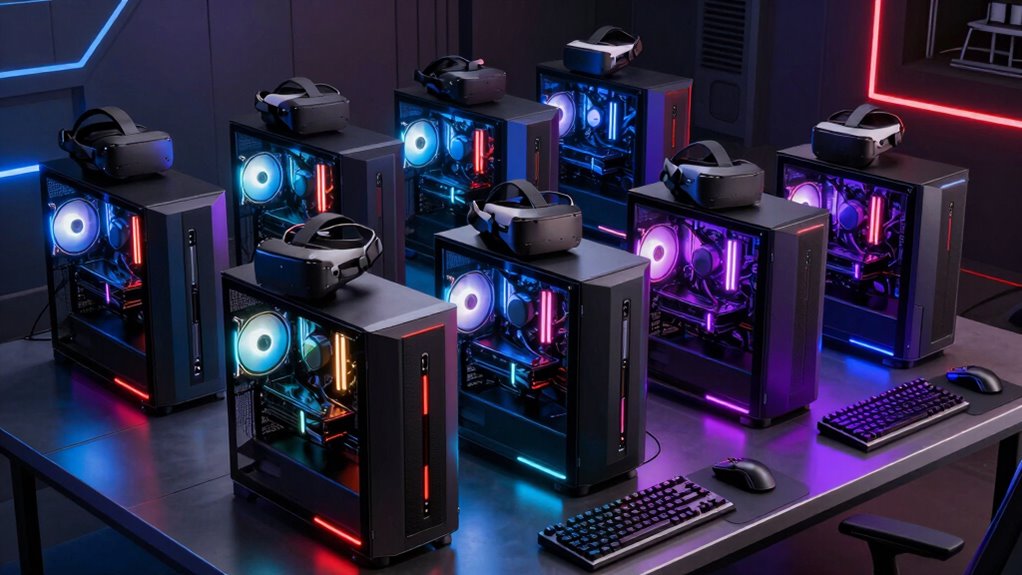
PC gaming is at the forefront of adopting and advancing future technologies, significantly outpacing consoles in areas like virtual reality (VR) and artificial intelligence (AI) integration. High-powered PCs are essential for driving immersive VR experiences with high refresh rates and detailed graphics, offering a more expansive and responsive virtual world than standalone VR headsets. Furthermore, AI-driven technologies like NVIDIA's DLSS and AMD's FSR, which use AI to upscale resolutions and boost frame rates, are deeply integrated into PC hardware, constantly improving visual quality and performance. This commitment to bleeding-edge tech ensures that PC gamers are always experiencing the next generation of gaming as it unfolds, from experimental VR titles to games leveraging sophisticated AI for more dynamic worlds and NPCs.
What are the Common Pain Points for PC Gamers and How to Solve Them
Even though 'is gaming better on PC' often leads to positive answers, PC gaming isn't without its challenges. Common pain points include initial setup complexities, troubleshooting performance issues, and the perceived cost of hardware upgrades. For setup, many resources like YouTube tutorials and online communities offer step-by-step guides for building or configuring pre-built PCs. Performance problems often stem from outdated drivers or software conflicts; regular driver updates and system maintenance are key. For budget-conscious upgrades, focus on components that offer the biggest performance boost for your money, like the GPU, and consider selling old parts to offset costs. Many gamers find solutions through forums and online communities, highlighting the supportive nature of the PC ecosystem.
Is Balancing PC Gaming with Life Really Possible for Busy Adults
For adults juggling jobs, families, and life's demands, finding time for gaming can be a challenge. However, PC gaming offers flexibility that can aid in this balance. Many PC games, including social and cozy games, offer quick play sessions or drop-in/drop-out mechanics, perfect for short bursts of relaxation. The vast library includes single-player experiences that can be paused anytime, unlike some online console games. Utilizing PC for both work and play also means less device switching. Setting realistic gaming schedules, communicating with family about your hobby, and prioritizing games that offer genuine stress relief or social connection can make balancing gaming with life not just possible, but enriching. Remember, gaming should be a source of enjoyment, not another chore.
FAQ Section
What's a good budget for a gaming PC in 2026?
For a solid gaming PC in 2026 that can handle most modern titles at 1080p high settings, expect to budget around 800 to 1200 US dollars. If you're aiming for 1440p or higher refresh rates, a budget of 1500 to 2500 US dollars would be more appropriate for a powerful system. Refurbished or sale components can help reduce costs significantly.
Can I use my PC for more than just gaming?
Absolutely! This is one of the biggest advantages of PC gaming. Your gaming PC can be a powerful workstation for professional tasks, video editing, graphic design, programming, or simply a fast and reliable machine for everyday browsing and media consumption. Its versatility makes it a central hub for all your digital activities.
Are PC games more expensive than console games?
While new AAA PC titles often launch at a similar price point to console games, PC digital storefronts like Steam frequently offer massive sales, discounts, and bundles that significantly reduce game costs. There's also a thriving ecosystem of free-to-play games and subscription services (like PC Game Pass) that provide incredible value, often making PC gaming more cost-effective in the long run.
How often should I upgrade my gaming PC?
The frequency of upgrades depends on your performance expectations and budget. Generally, a mid-range gaming PC can last 3-5 years before needing significant upgrades to play the latest games at optimal settings. Key components like the GPU are often upgraded every 2-4 years, while CPUs and RAM have longer lifespans. Incremental upgrades are a smart way to stay current.
Is PC gaming hard to learn for beginners?
Getting into PC gaming is much easier than it used to be. Modern operating systems and game launchers are user-friendly. While building a PC can seem daunting, pre-built options are excellent and require minimal setup. Learning keyboard and mouse controls takes practice, but many games support controllers too. Online guides and communities offer ample support, making the learning curve manageable for any beginner.
In conclusion, the question of 'is gaming better on PC' doesn't have a simple yes or no answer for everyone, but for those who value performance, customization, a vast game library, and a vibrant community, the PC platform offers an unparalleled experience. It's an investment that pays dividends in versatility and longevity, allowing you to tailor your gaming world to your exact preferences and lifestyle. Whether you're a seasoned player or looking to dive in, the benefits of PC gaming in 2026 are compelling and address many of the common pain points busy adults face. What's your biggest gaming challenge or your favorite PC gaming memory? Comment below and share your thoughts!
Unrivaled customization superior performance vast game library enhanced social interaction future proofing budget flexibility balancing life
35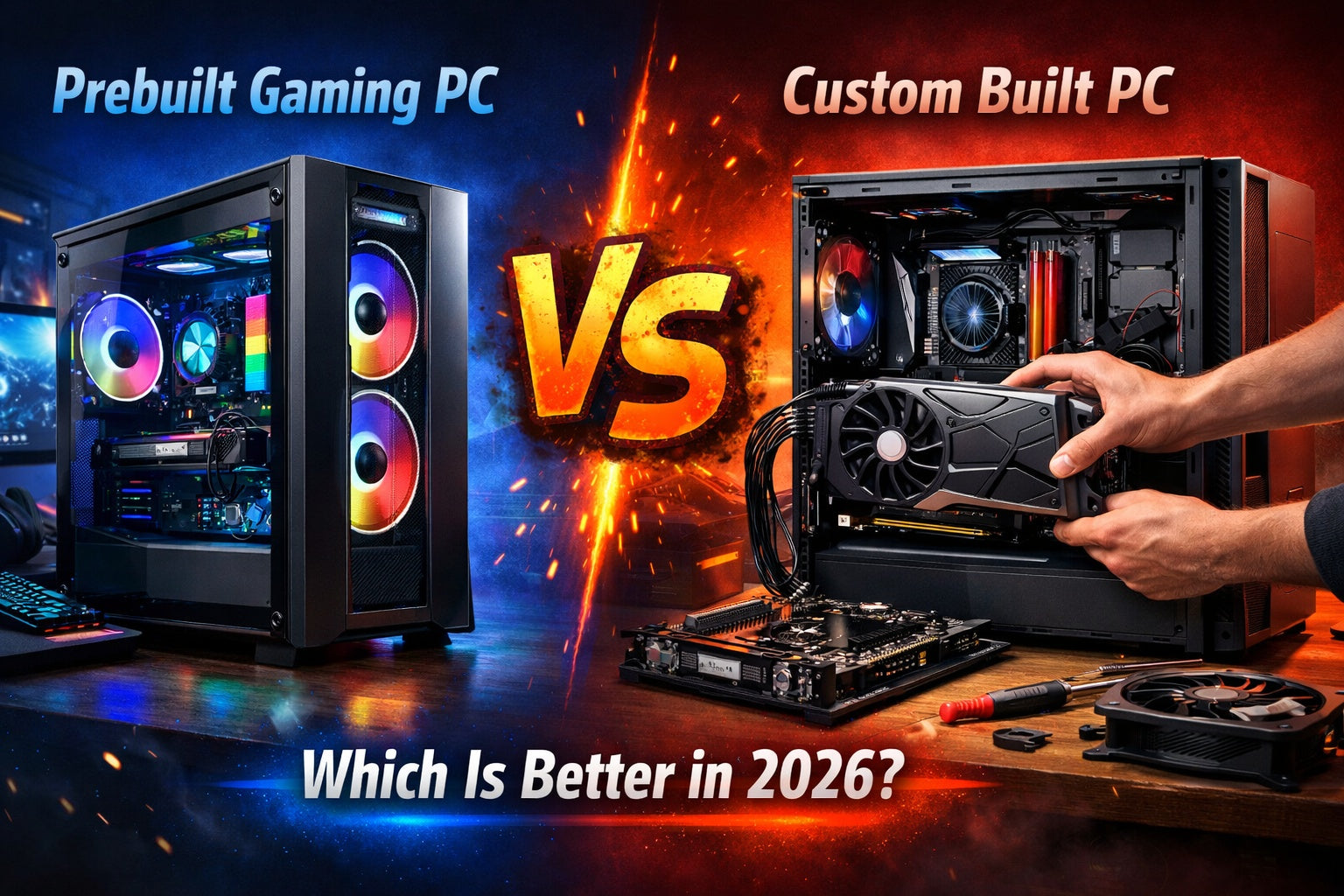

Prebuilt Gaming PC Vs Custom Built PC Which Is Better In 2026 Prebuilt Vs Custom Gaming Pc 2026 5a49c66d 398d 40a5 A7f0 . 8 Best Gaming PCs For 2026 Ultimate Buyer S Guide Best Gaming Pc 2026 The Neuralcore X.webp. The Ultimate Gaming PC Build 2026 Guide By Xidax 1 Unnamed . 7 Best Gaming PCs Of 2026 Power Performance And Value Revealed Top Gaming Pcs 2026 1lmv2 . 8 Best Gaming PCs For 2026 Ultimate Buyer S Guide The Creators Dream Msi X 2026.webp
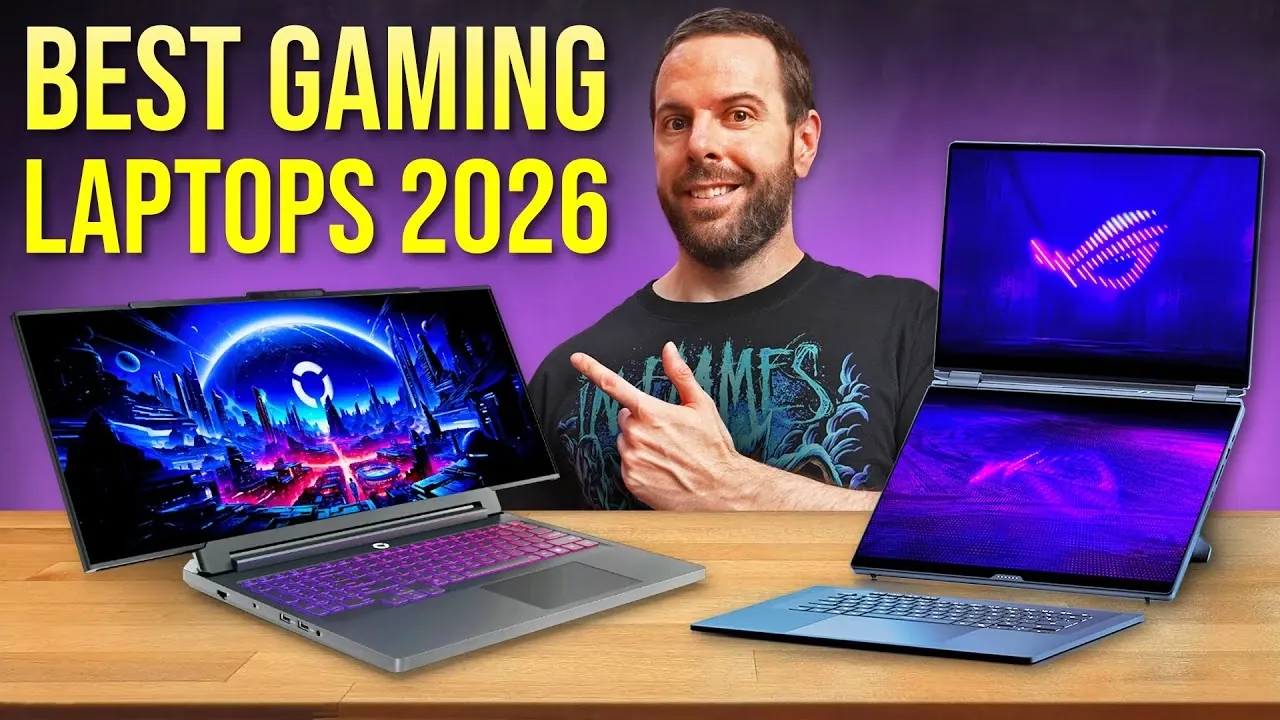
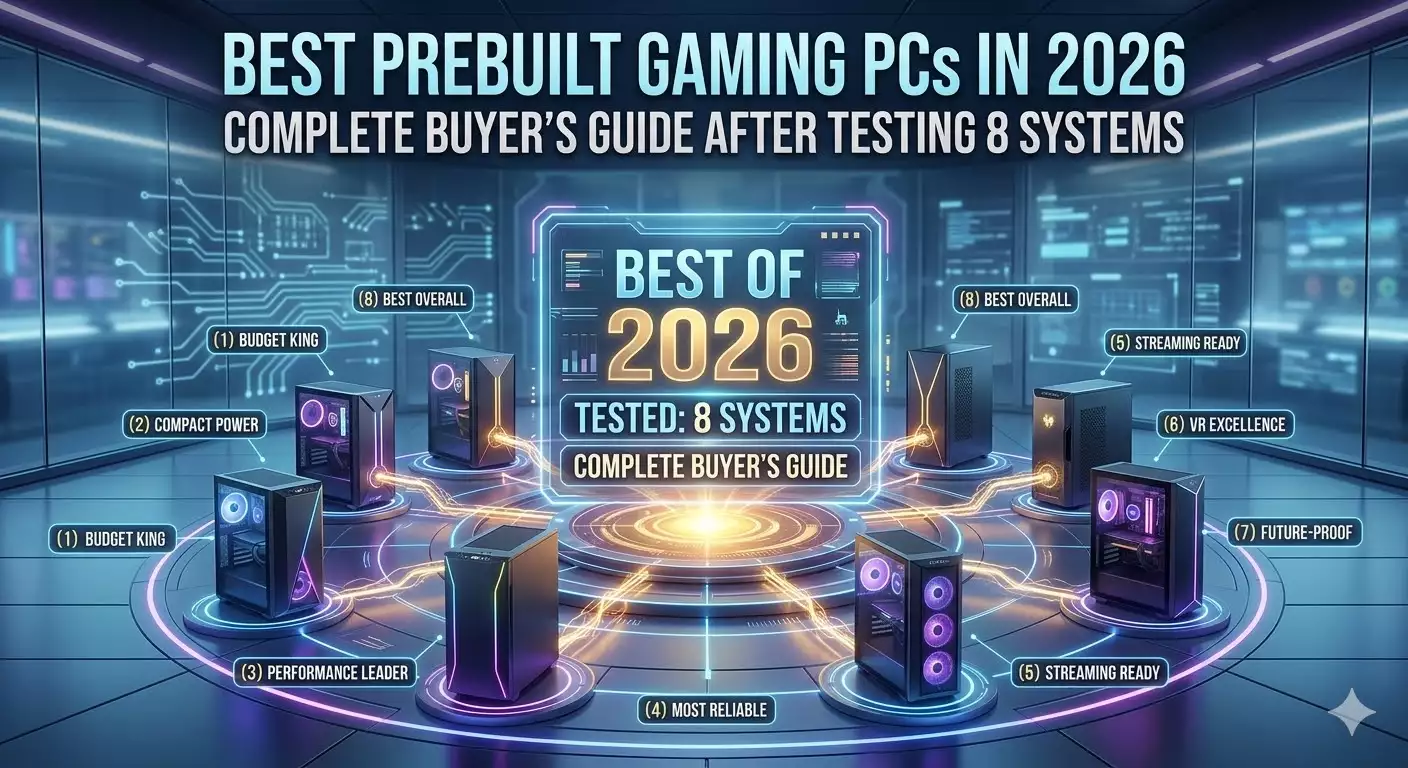


Best Gaming Laptops At CES 2026 RTX 5090 Options Dual Screen Picks Lenovo Legion Pro Rollable Concept. Best Prebuilt Gaming PCs In 2026 Complete Buyer S Guide After Testing Best Prebuilt Gaming PCs In 2026 Complete Buyers Guide After Testing 8 Systems . 10 Much Awaited Games Set To Launch In 2026 Games To Launch 2026 1068x672 . Top 10 Most Anticipated Games Of 2026 What To Watch Out For GAMES IN 2026 . Best Gaming PC For Competitive Gaming 2026 Hardware Guide The Best Gaming PC For Competitive Gaming 2026 Performance Guide.webp

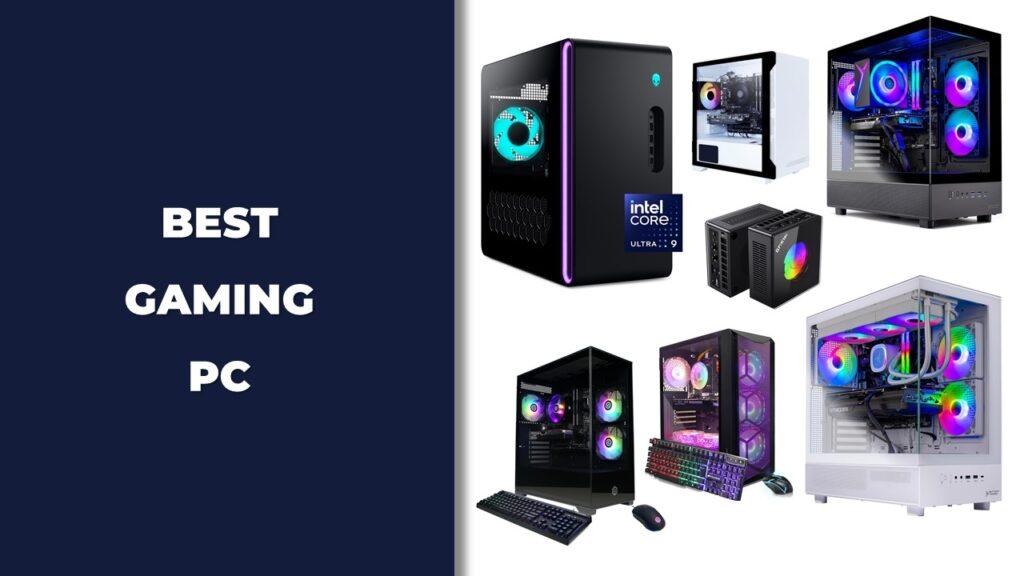


CES 2026 Novit PC Gaming E AI Di NVIDIA AMD E Intel CES 2026 . 12 Best Desktop In 2026 Tested Reviewed Best Gaming PC 2 1024x576 . Top 5 Best Gaming Desktops Of 2026 Best Product Review Best Gaming Desktops . Best PC Builds For Gaming 2026 Ultimate Guide To Building Your Dream Best PC Builds For Gaming 2026 . Gaming Desktop PC Guide 2026 Build The Ultimate Gaming Setup 2 2 3

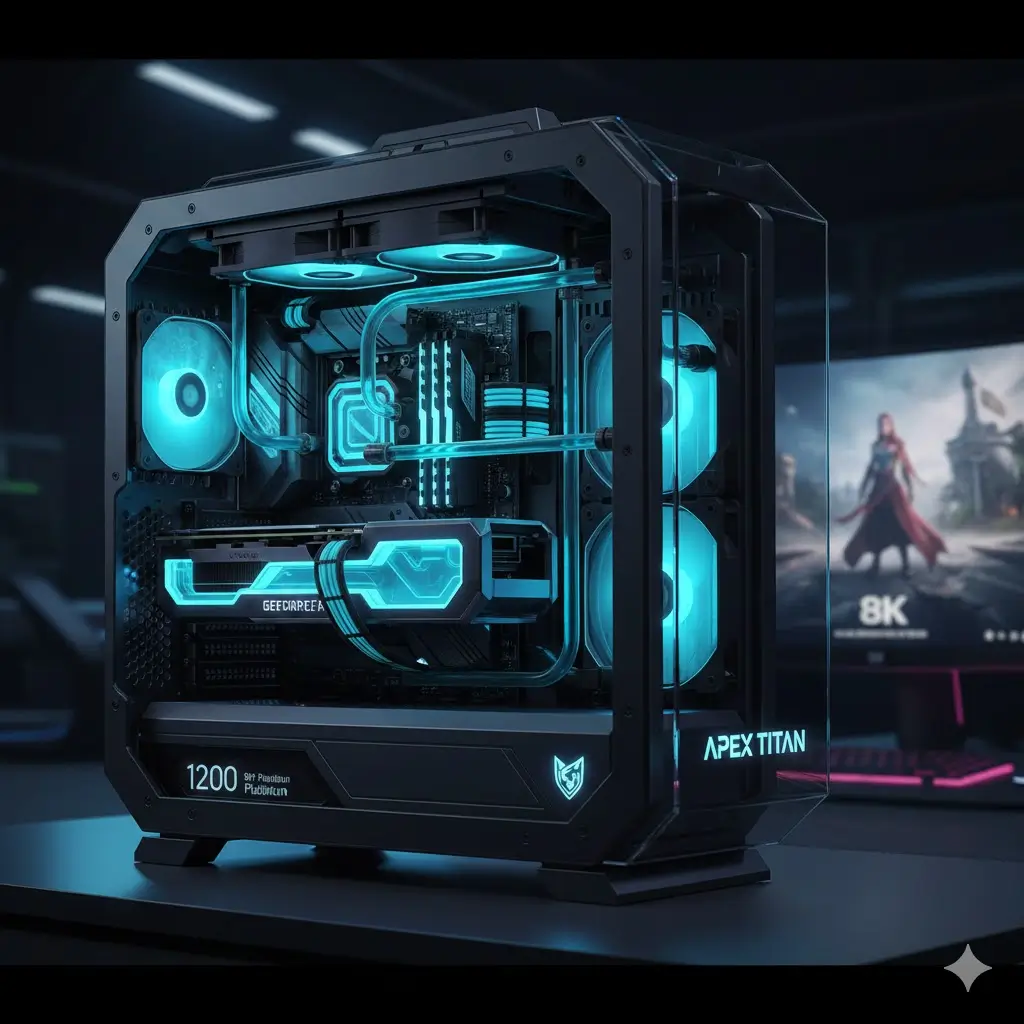

Best Gaming PC Builds For 2026 Best Gaming PC Builds For 2026.webp. 8 Best Gaming PCs For 2026 Ultimate Buyer S Guide Best Gaming Pc The Apex Titan 2026.webp. Best Gaming Laptops For Every Type Of Gamer In 2026. Is A Gaming PC Better Than A Console Gigatech Gaming 921ed17e 99c5 427b 85c6 . 12 Best Prebuilt Gaming PCs June 2026 Expert Tested Picks Best Prebuilt Gaming PCs 768x419

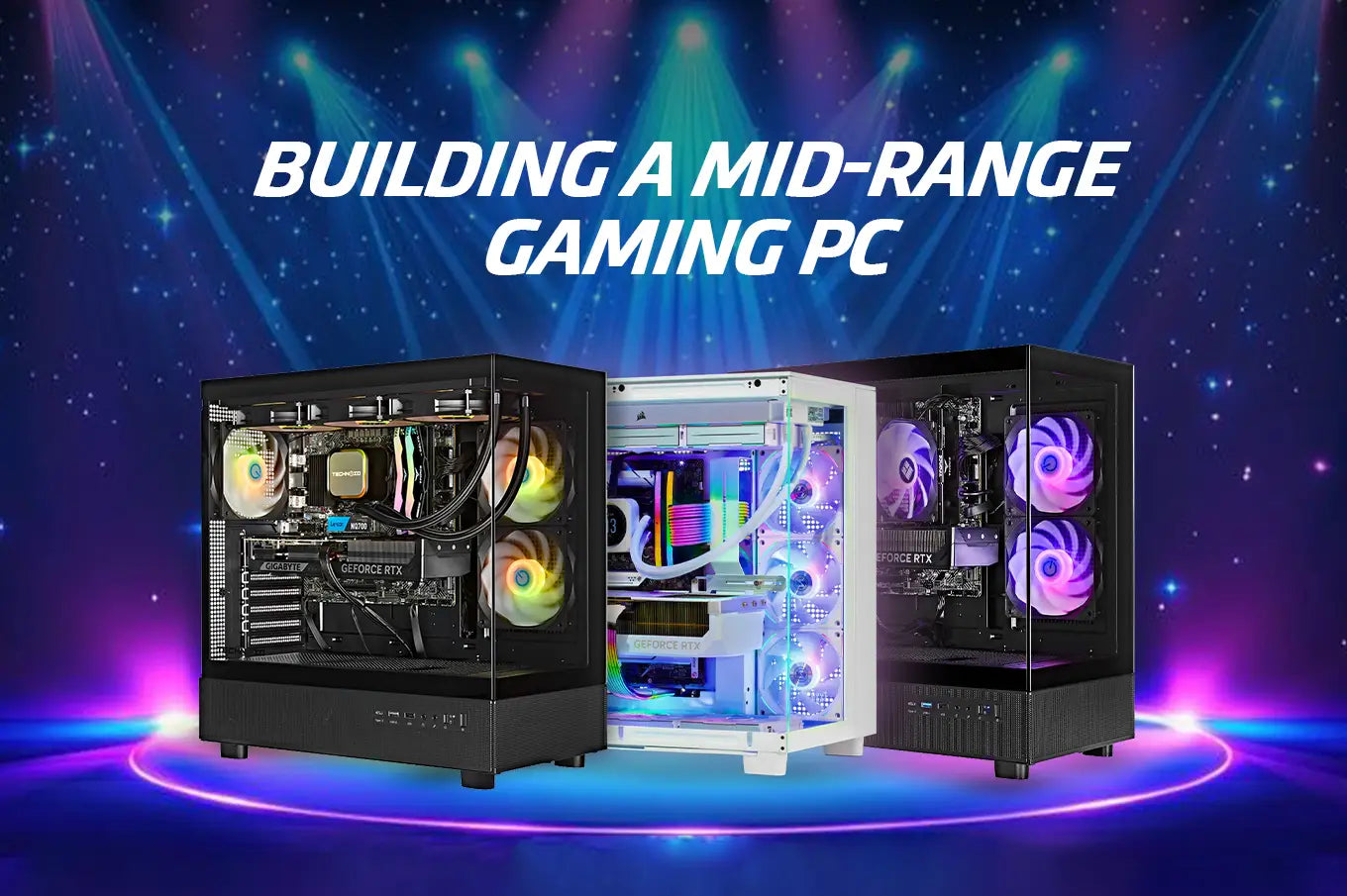

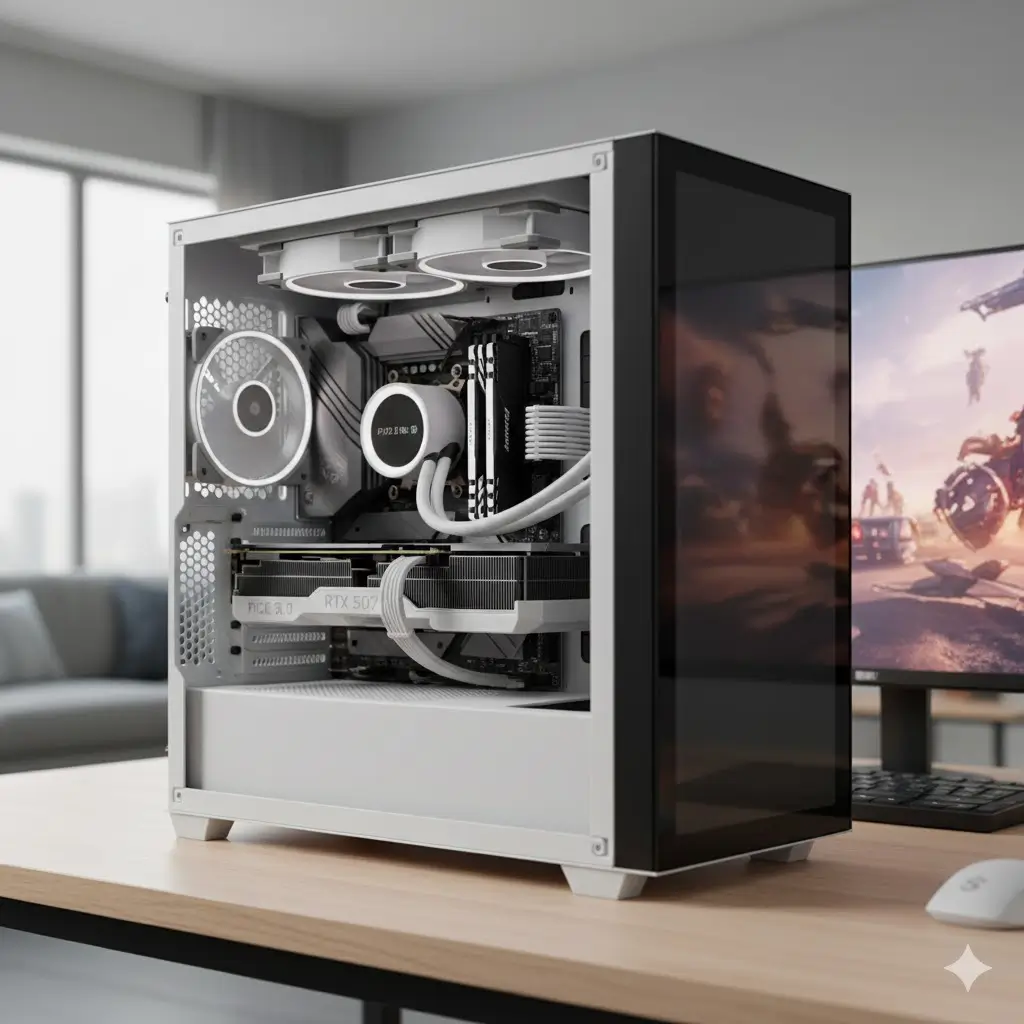
How To Choose The Right Gaming PC In 2026 Complete Guide Complete Guide . 5 Best Gaming PCs 2026 Gaming Net Gamin.net 2022 04 567x341 . Best Processors For Gaming In 2026 For Every Budget Technoid Gaming PC Building A Mid Range Gaming PC In 2026 Specs And Tips.webp. Top 10 Most Anticipated Games Of 2026 Biggest Upcoming Game Releases . 8 Best Gaming PCs For 2026 Ultimate Buyer S Guide Best Gaming Pc 2026 The Balanced

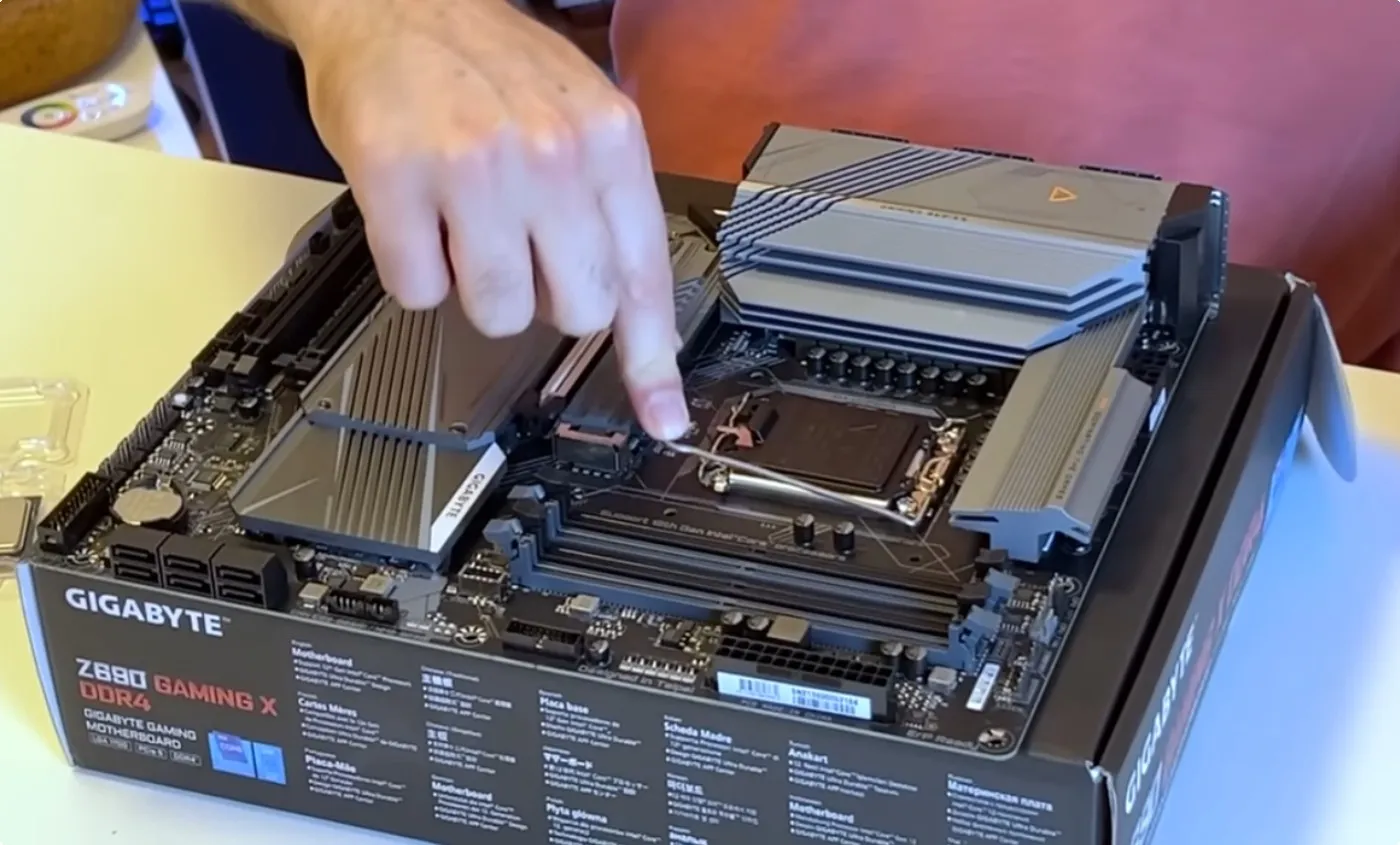

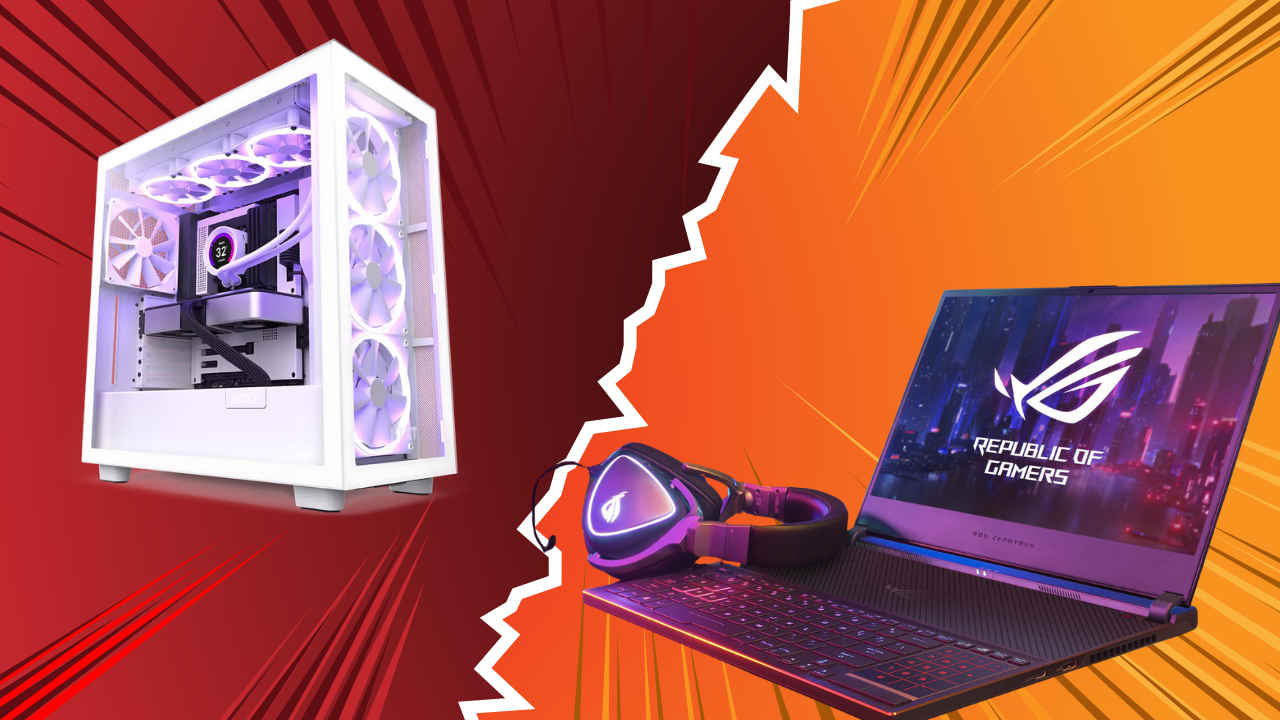

The Best Gaming PC Builds For 2026 Top Picks And Reviews Best Pc Build 96x96 . Gaming PC Budget Guide 2026 Spend Smart Build Better Pc Builds For Every Budget.webp. Android Vs Apple Which Is Better In 2026 Computer Cave Desktop Gaming In 2026 Why Performance Issues Usually Mean Repair--Not Replacement. Gaming PC Vs Gaming Laptop What Makes More Sense For You In 2026 Gaming PC Vs Laptop . The Best Gaming PC Of 2026 Top Prebuilt Desktops Gaming Pc



Best Alienware And Dell Deals 2026 On Gaming PCs And Gaming Laptops . Best Budget Gaming Setup In 2026 Full Guide For Beginners Budget Friendly Gaming Setup In 2026 . 15 High End VR Ready Gaming PC Builds For 2026 That Elevate Gaming Premium 2026 Gaming Pc Builds L8j52 . 5 Best Gaming PCs 2026 Gaming Net Untitled Design 1000x600 . Wer Soll Das Alles Spielen Hier Kommen Die PC Highlights 2026 PC Ausblick 2026 V3 Pc Games