Understanding what is FPS in gaming is crucial for every player, whether you are a casual enthusiast balancing family and work or a dedicated competitor aiming for peak performance. Frame Rate Per Second, or FPS, directly impacts how fluid and responsive your games feel. A higher FPS means smoother visuals, better reaction times, and a more immersive experience, reducing lag and stutter that can ruin even the best gaming sessions. This comprehensive guide will demystify FPS, offering practical insights and actionable tips tailored for the average gamer looking to optimize their setup without unnecessary jargon or expense. Discover how to identify your current FPS, what hardware truly matters, and how simple software tweaks can dramatically improve your gameplay, ensuring you get the most enjoyment and value from your gaming time. We will cover everything from basic definitions to advanced optimization, helping you conquer common performance issues and enjoy gaming the way it was meant to be.
What exactly is FPS and why should I care about it as a gamer?
FPS, or Frames Per Second, measures how many individual images your computer renders and displays on your screen each second. It is incredibly important because it directly impacts how smooth, fluid, and responsive your game feels. A higher FPS means a more seamless visual experience and reduced input lag, which is crucial for quick reactions and precise movements in any game, from fast-paced shooters to immersive RPGs. For US gamers balancing work and life, understanding FPS means maximizing fun in your limited play time.
How does achieving higher FPS actually improve my gameplay?
Higher FPS makes your game visuals smoother, allowing you to track fast-moving objects or enemies more easily and react quicker. It also reduces input latency, meaning there's less delay between your mouse clicks or key presses and the action happening on screen. This is a game-changer for competitive titles, providing a distinct advantage in aiming and movement. Even in casual games, it enhances immersion and reduces eye strain, making your gaming sessions more enjoyable and less fatiguing.
What's considered a "good" FPS for different types of games, from casual to competitive?
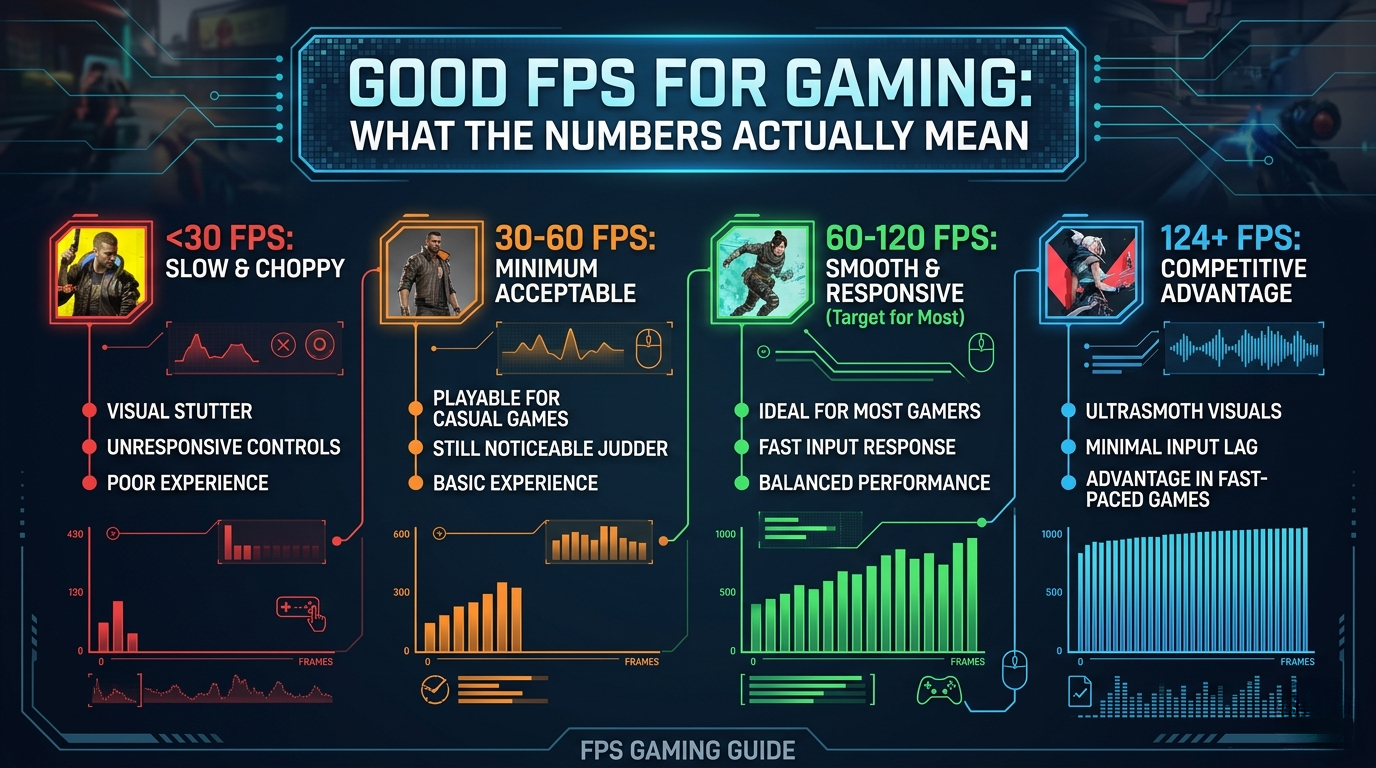
For most casual and single-player story-driven games, 60 FPS is considered the enjoyable standard, offering a smooth visual experience. However, for competitive online multiplayer games like Valorant or Apex Legends, 120 FPS or higher is highly recommended, as it significantly reduces input lag and improves reaction times, giving you a crucial edge. Paired with a high refresh rate monitor, this higher FPS offers the ultimate fluidity that competitive players crave.
My game feels choppy, how can I find out my current FPS?
There are several easy ways to check your current FPS. Many modern games have a built-in FPS counter you can enable in their display settings. Alternatively, you can use software overlays provided by your graphics card manufacturer, such as NVIDIA GeForce Experience (Alt+R by default) or AMD Radeon Software. Third-party tools like MSI Afterburner, often paired with RivaTuner Statistics Server, are also popular for comprehensive real-time performance monitoring. Checking your FPS is the first step to identifying performance issues.
What are the most common ways to increase my FPS without breaking the bank?
Boosting your FPS doesn't always require new hardware. Start by lowering in-game graphics settings like shadows, anti-aliasing, and texture quality. Always keep your GPU drivers updated, as manufacturers release regular performance optimizations. Close unnecessary background applications that consume CPU and RAM, and ensure your PC's power settings are set to "High Performance." Regularly cleaning dust from your PC to prevent overheating can also significantly improve performance stability. These simple tweaks often yield noticeable improvements.
Does my monitor's refresh rate matter if I'm getting high FPS?
Absolutely, your monitor's refresh rate (measured in Hz) matters immensely! While your GPU generates the FPS, your monitor's refresh rate dictates how many of those frames it can actually display per second. If your graphics card outputs 120 FPS but your monitor is only 60Hz, you will only see 60 frames, effectively wasting the extra frames. To experience the full benefit of high FPS (e.g., 120+ FPS), you need a monitor with a matching or higher refresh rate (e.g., 120Hz, 144Hz, or 240Hz) to enjoy buttery-smooth visuals and minimal input lag.
I'm a busy gamer, what are quick wins for boosting FPS on a limited schedule?
For busy gamers balancing life, focus on these quick wins: first, perform a quick graphics driver update. Second, dive into your game's settings and lower demanding options like shadows or post-processing effects. Third, ensure no heavy applications are running in the background, like video streaming or large downloads. Finally, make sure your Windows Power Plan is set to "High Performance." These steps take minutes and can offer immediate, noticeable FPS improvements, maximizing your limited gaming time.
Ever felt that frustrating stutter in a crucial moment during your favorite game? Or maybe you have been wondering why some streamers' gameplay looks so much smoother than yours? You are not alone. Many US gamers, especially those of us balancing careers, families, and life's endless demands, often face performance issues that can turn a relaxing escape into a stressful chore. We value our limited gaming time and want it to be fun, fluid, and rewarding, not a battle against choppy frames or slow reactions.
This is where understanding "what is FPS in gaming" becomes a game-changer. FPS, or Frames Per Second, is arguably the single most important metric for a smooth and enjoyable gaming experience. It dictates how many individual images your screen displays every second, directly impacting the fluidity and responsiveness of your game. A higher FPS means a more seamless visual experience and a greater ability to react quickly, which is vital whether you are exploring an open world, battling in an arena, or just unwinding with friends in a cozy co-op. In 2026, with an estimated 87% of US gamers playing regularly and spending an average of 10+ hours a week, optimizing performance is more relevant than ever. This guide is built for you, the everyday gamer looking for practical solutions to common performance problems, helping you get the most out of your setup without unnecessary hype or expense.
What Exactly is FPS in Gaming and Why Does It Matter So Much?
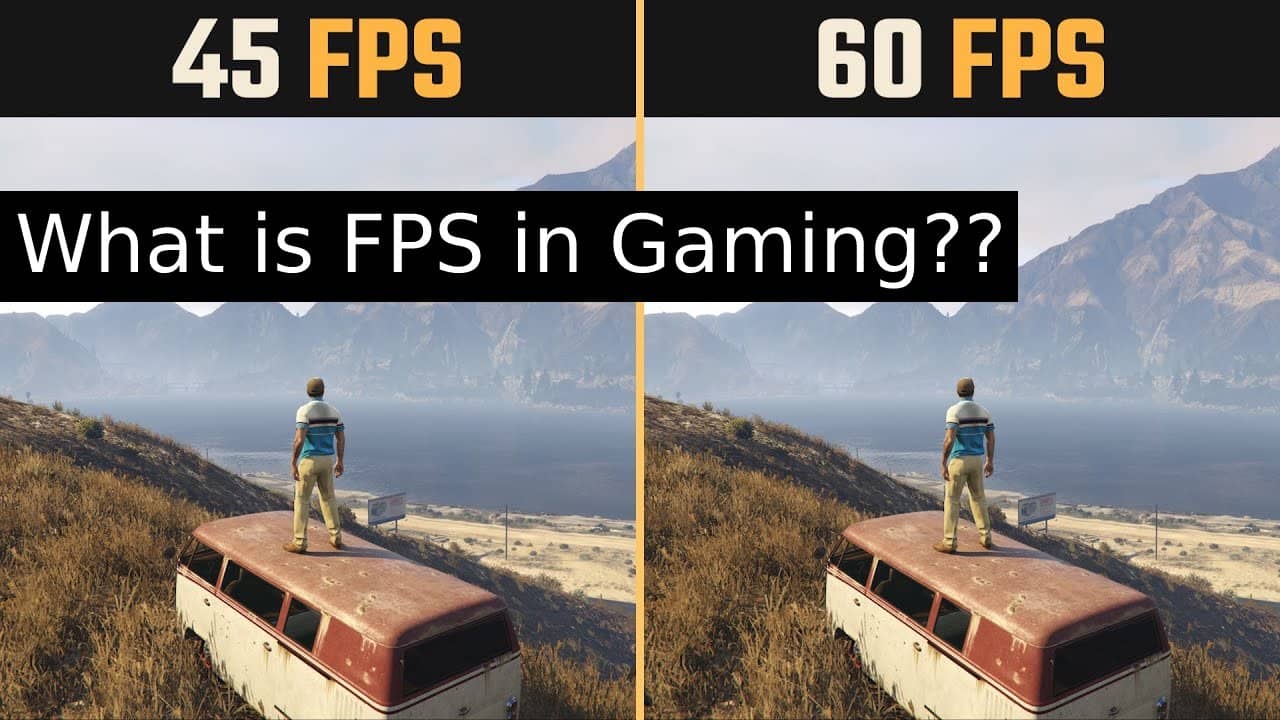
FPS stands for Frames Per Second, and in simple terms, it measures how many individual images your game displays on your screen each second. Think of it like a flipbook: the more pages you flip through per second, the smoother the animation appears. In gaming, a higher FPS means your game visuals are more fluid and responsive, making movements look natural and actions feel instantaneous. This matters because low FPS can lead to a "choppy" or "laggy" experience, causing input delay, difficulty aiming, and overall frustration, especially in fast-paced genres. For US gamers who prioritize relaxation and skill-building, a stable, high FPS ensures every session is enjoyable and fair.
How Does Your FPS Directly Affect Your Gaming Experience?
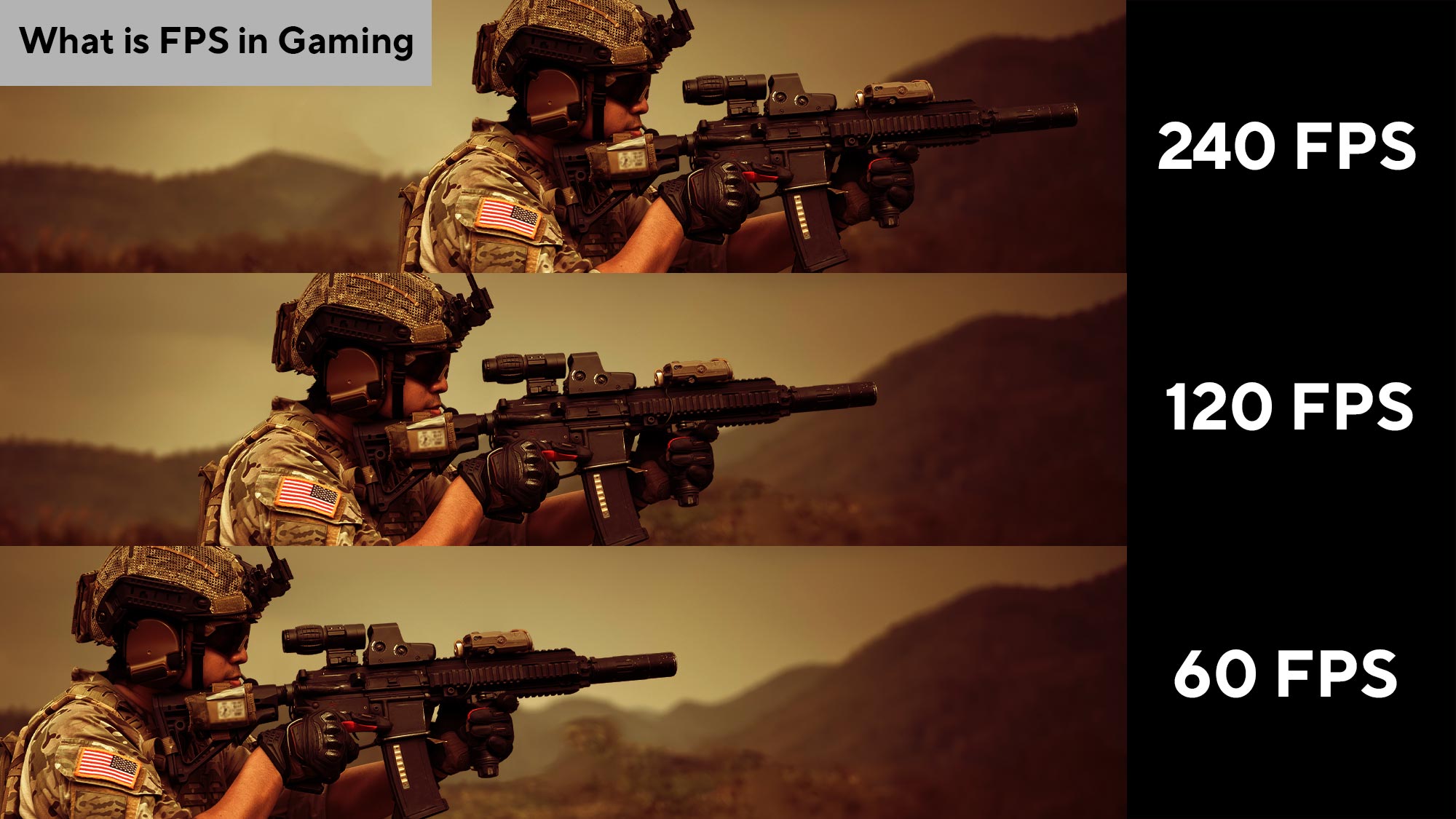
The impact of your FPS on your gaming experience is profound and multifaceted. Firstly, it affects visual fluidity; higher FPS reduces screen tearing and motion blur, making the world appear more lifelike. Secondly, it drastically improves responsiveness. More frames per second mean the game registers your mouse clicks and keyboard presses faster, giving you a competitive edge in online multiplayer games. For instance, in a competitive shooter, a player with 144 FPS will see and react to an opponent faster than a player with 60 FPS, even if their ping is identical. This can be the difference between a headshot and getting sent back to the lobby. For those balancing gaming with life, this means maximizing the enjoyment of precious gaming moments, free from visual hitches that break immersion.
What is a Good FPS for Different Types of Games?
What constitutes "good" FPS really depends on the game genre and your personal preferences. Here is a general breakdown:
- 30 FPS: Often found on older consoles or budget PCs. Playable for slower-paced, narrative-driven single-player games where visual fidelity is prioritized over responsiveness.
- 60 FPS: Considered the standard for a smooth, enjoyable experience. Most PC and current-gen console games target 60 FPS. Excellent for most genres, including action, adventure, RPGs, and many online multiplayer titles.
- 120 FPS and above: The sweet spot for competitive gamers. Essential for esports titles like Valorant, CS2, or Call of Duty, where every millisecond counts. Requires a high refresh rate monitor (120Hz or higher) to fully appreciate. Offers incredibly fluid visuals and minimal input lag.
For the average gamer aged 36 balancing work, 60 FPS is usually more than enough for a fun time. For competitive play or if you just love ultra-smooth visuals, aiming for 120 FPS or higher is a worthy goal.
How Can You Check Your Current FPS in Games?
Knowing your current FPS is the first step toward optimizing it. Fortunately, there are several easy ways:
- In-Game Counters: Many modern games include a built-in FPS counter that you can enable in the display or graphics settings. Look for options like "Display FPS" or "Performance Overlay."
- Gaming Software: Graphics card manufacturers offer overlays. NVIDIA GeForce Experience (Alt+R default) and AMD Radeon Software have performance monitoring tools that show FPS, GPU usage, and more.
- Third-Party Tools: Fraps, MSI Afterburner, and RivaTuner Statistics Server (RTSS) are popular choices. MSI Afterburner, often paired with RTSS, is a favorite among PC gamers for its detailed monitoring and customization options.
These tools are invaluable for identifying performance bottlenecks and seeing the real-time impact of any settings changes you make. Don't guess; measure!
What Hardware Components Influence Your FPS the Most?
When it comes to your gaming rig, a few key components do the heavy lifting for FPS:
- Graphics Card (GPU): This is the undisputed king of FPS. The GPU renders all the visuals, textures, and effects you see. A more powerful GPU can process more frames per second at higher resolutions and settings.
- Processor (CPU): While the GPU handles graphics, the CPU manages game logic, AI, physics, and sends instructions to the GPU. A weak CPU can bottleneck even a powerful GPU, preventing it from reaching its full potential.
- RAM (Random Access Memory): Having enough RAM (typically 16GB is ideal for most modern games) ensures your system can load game assets quickly. Insufficient RAM can lead to stuttering or slow loading times, impacting FPS stability.
- Storage (SSD vs. HDD): While not directly affecting real-time FPS during gameplay, an SSD (Solid State Drive) drastically reduces game loading times and can help with texture streaming, which can indirectly contribute to a smoother experience.
For budget-conscious gamers, prioritizing a good GPU and a balanced CPU is often the best strategy for value for money.
Are There Simple Ways to Boost Your FPS Without Upgrading Hardware?
Absolutely! Before you even think about opening your wallet, try these practical, free ways to boost your FPS:
- Lower Graphics Settings: This is the easiest and most effective. Reduce settings like texture quality, shadow quality, anti-aliasing, and view distance. Experiment to find a balance between visuals and performance.
- Update Drivers: Always keep your GPU drivers (NVIDIA, AMD) and even chipset drivers up to date. Manufacturers constantly release performance optimizations.
- Close Background Apps: Programs like web browsers, Discord, streaming software, or even excessive antivirus scans can consume CPU and RAM, reducing available resources for your game.
- Optimize In-Game Settings: Turn off V-Sync if you have screen tearing but want maximum FPS (especially with a G-Sync/FreeSync monitor). Disable features like motion blur or depth of field if you find them distracting or resource-intensive.
- Check Power Settings: Ensure your PC is set to "High Performance" in Windows Power Options. Laptops especially can be set to power-saving modes.
- Keep Your PC Clean: Overheating can cause your components to throttle performance. Regularly clean dust from your PC fans and heatsinks.
These quick wins can make a noticeable difference, helping busy gamers get more out of their existing setup.
How Does Refresh Rate Relate to FPS and Why is It Important?
Refresh rate, measured in Hertz (Hz), refers to how many times your monitor updates its display per second. While FPS is about how many frames your *graphics card* produces, refresh rate is about how many frames your *monitor* can actually show. If your GPU is cranking out 120 FPS but your monitor is only 60Hz, you will only ever see 60 frames per second on screen, effectively wasting those extra frames. To experience high FPS (e.g., 120 FPS or 144 FPS), you need a monitor with a matching or higher refresh rate (e.g., 120Hz, 144Hz, 240Hz). This pairing unlocks buttery-smooth visuals, reduces input lag, and significantly enhances the gaming experience, especially for fast-paced titles. Many social gamers who enjoy competitive elements are now investing in higher refresh rate monitors, making it a key trend in 2026.
What are Common FPS Drops and How Can I Fix Them?
FPS drops can be frustrating, especially when they hit at critical moments. Here are common causes and solutions:
- Sudden Overheating: Your GPU or CPU might be getting too hot and throttling performance. Clean your PC, ensure good airflow, or consider better cooling.
- Driver Issues: Outdated or corrupted drivers are frequent culprits. Perform a clean install of the latest GPU drivers.
- Background Processes: Too many applications running in the background compete for resources. Close unnecessary programs.
- Game Patches/Updates: Sometimes a new game patch can introduce performance issues. Check game forums for known issues or driver updates tailored for the patch.
- Malware/Viruses: Run a full system scan with reputable antivirus software.
- Power Settings: Verify your system's power plan is set to "High Performance."
Systematically checking these common issues can help diagnose and resolve most FPS drop problems, getting you back to smooth gameplay faster.
Does High FPS Really Give a Competitive Edge?
For competitive gaming, high FPS isn't just a luxury; it's a significant advantage. The more frames your monitor displays, the more up-to-date visual information you receive. This translates to:
- Reduced Input Lag: Higher FPS often means lower input latency, allowing your actions to register more quickly.
- Smoother Animations: Easier to track fast-moving targets and predict enemy movements.
- Faster Reaction Times: Studies show players with higher FPS and refresh rates often have quicker reaction times in competitive scenarios.
While skill is paramount, optimizing your FPS ensures your hardware isn't holding you back. For the millions of US gamers engaged in esports or simply enjoying competitive play with friends, maximizing FPS is a key component of their performance optimization strategy.
How Can Budget-Conscious Gamers Optimize FPS?
You do not need an endless budget to get great FPS. Here is how smart gamers get the most value for their money:
- Strategic Upgrades: Instead of a whole new PC, identify the biggest bottleneck (usually the GPU or CPU) and upgrade that single component. Research benchmarks for games you play.
- Second-Hand Market: Consider buying used GPUs or CPUs from reputable sellers. Many gamers upgrade frequently, offering great deals on slightly older but still powerful hardware.
- Game Sales: Free-to-play titles or games on deep discount often have lower system requirements, allowing for excellent FPS on modest hardware. Social games popular this month often fall into this category.
- Software Optimization: As discussed, tuning game settings, keeping drivers updated, and managing background processes are free ways to boost performance.
Balancing gaming with financial realities is a common theme for adult gamers. Smart choices mean more fun for less cash.
What Role Does Software Play in FPS Optimization?
Software is just as critical as hardware for maximizing your FPS. Beyond drivers and in-game settings:
- Operating System (OS) Optimization: Windows 10/11 have a "Game Mode" that prioritizes game performance. Disable unnecessary startup programs and visual effects.
- Game-Specific Optimizers: Some games have dedicated launchers or tools that suggest optimal settings.
- GPU Control Panels: NVIDIA Control Panel and AMD Radeon Software offer advanced settings for managing 3D performance, image sharpening, and more. Understanding these can fine-tune your experience.
- Antivirus/Malware: Ensure your system is clean from malicious software that can hog resources.
Regular software maintenance ensures your system is running lean and mean, providing a stable foundation for high FPS.
Can Mobile Gaming Also Benefit from Understanding FPS?
Absolutely! While often overlooked, FPS is just as relevant in the mobile gaming world. With mobile dominance in gaming continuing its rise and cross-play becoming more common, understanding mobile FPS is crucial. Higher FPS on mobile translates to smoother animations, quicker touch responsiveness, and a better overall experience, especially in competitive mobile esports titles like Call of Duty Mobile or PUBG Mobile. Overheating can quickly throttle performance on phones, leading to FPS drops. Keeping your device cool, closing background apps, and optimizing in-game graphics settings (often found in the mobile game's settings menu) are vital for maintaining stable FPS and preserving battery life. Even for casual mobile games, a higher FPS simply makes them more enjoyable and less prone to frustrating stutters.
We have covered a lot about what is FPS in gaming and why it is so important for every type of gamer. From understanding the basics to advanced optimization techniques, the goal is always the same: to make your gaming experience as smooth, responsive, and enjoyable as possible. Whether you are a competitive player chasing every frame or a casual gamer just looking to unwind, applying these tips will undoubtedly enhance your time in virtual worlds. Remember, gaming should be a source of relaxation, fun, and connection, not frustration due to poor performance.
What is your biggest gaming challenge when it comes to performance? Comment below!
Frequently Asked Questions About FPS in Gaming
Is 60 FPS truly enough for gaming in 2026?
For most casual and single-player games, 60 FPS is still an excellent target, offering a smooth and enjoyable experience for the majority of gamers. However, for competitive online games, many players prefer 120 FPS or higher to gain a significant advantage in responsiveness and visual clarity, especially when paired with a high refresh rate monitor.
What usually causes sudden FPS drops during gameplay?
Sudden FPS drops are often caused by overheating components (GPU/CPU), outdated or corrupted drivers, background applications consuming too many resources, or temporary system bottlenecks. Less commonly, game bugs, malware, or insufficient power supply can also contribute to performance instability.
Does my internet speed affect my FPS?
No, your internet speed does not directly affect your FPS. FPS is a measure of your computer's graphical processing power, while internet speed affects latency (ping) and data transfer. However, high ping or network lag can *feel* similar to low FPS because both create a sense of unresponsiveness and frustration during online play.
What is the best free tool to monitor FPS in games?
MSI Afterburner, often used in conjunction with RivaTuner Statistics Server (RTSS), is widely considered the best free tool for monitoring FPS and other performance metrics. It provides a highly customizable overlay that works with almost any game, giving you real-time data on your GPU and CPU performance.
Can I get high FPS on a gaming laptop?
Yes, many modern gaming laptops are fully capable of achieving high FPS, often matching or exceeding desktop performance. However, laptops can be more susceptible to thermal throttling due to their compact design, so ensuring adequate cooling and optimizing power settings is crucial for consistent high FPS.
Should I prioritize FPS or graphics quality?
This depends on your game and personal preference. For competitive multiplayer games, prioritize FPS for responsiveness and a tactical advantage. For single-player, visually stunning games, you might choose to sacrifice some FPS for higher graphics quality to enhance immersion, as long as it remains consistently above 30-40 FPS.
What FPS means in gaming, Why a higher FPS improves gameplay, How to check and boost your in-game FPS, The role of hardware and software in achieving optimal FPS, Practical tips for busy gamers to enhance performance.
35
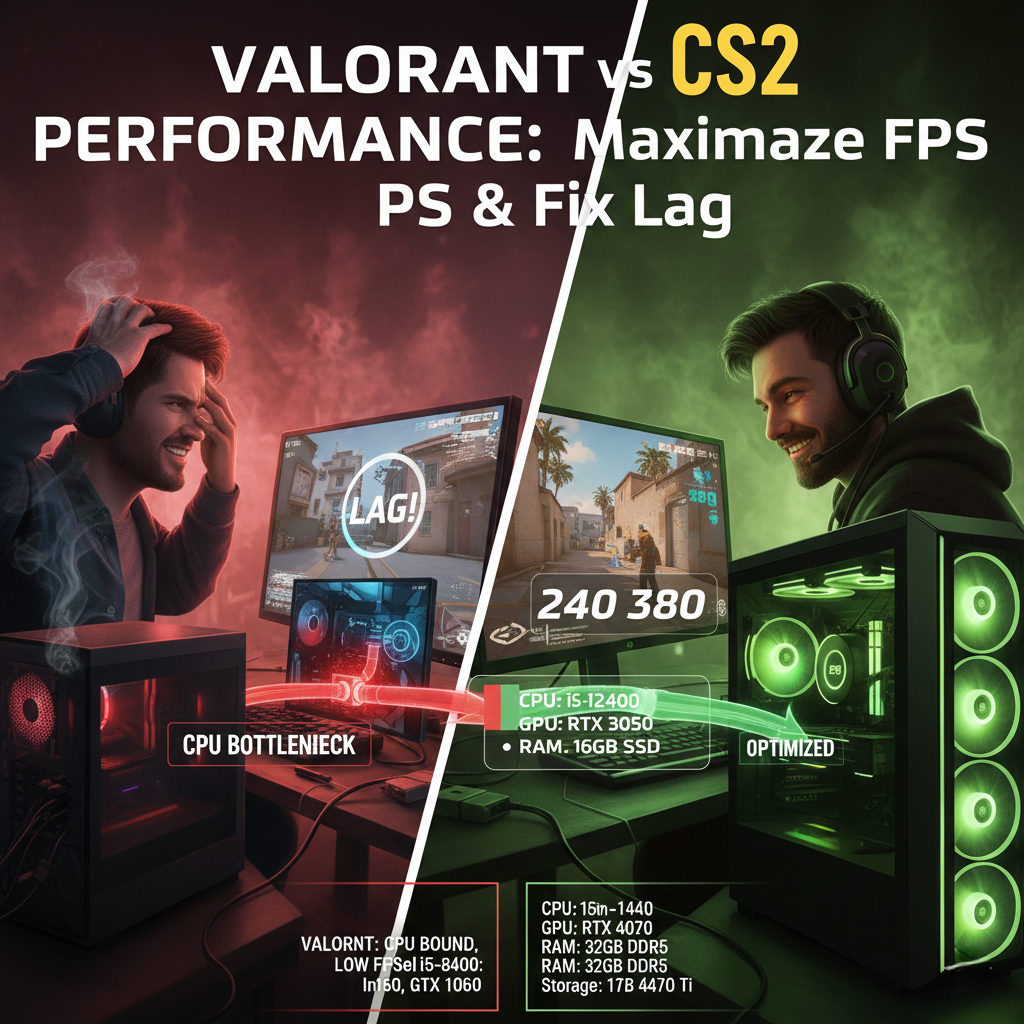


TOP 7 Upcoming FPS Games Of 2026 Tactical Horror Realistic . Valorant FPS Drop After Update Fix Stutters Lag 2026 Guide Valorant Vs CS2 Performance Comparison . FPS 2026 Les Meilleurs Jeux FPS En 2026 Serial Gamers Les Meilleurs Jeux Fps Auxquels Vous Pouvez Jouer Des Maintenant 0 . 20 NEW Upcoming FPS Games Of 2025 2026 That Look Insane PS5 PC 1737221768 1024x576 . Top 10 INSANE Next Gen FPS Games Coming In 2026 Unreal Graphics 1765862829



6 Best Roblox FPS Unlockers Jun 2026 Boost Gaming FPS Best Roblox FPS Unlockers 2025 Boost Gaming FPS . Top 10 Most Anticipated Games Of 2026 What To Watch Out For GAMES IN 2026 . What Is A Good FPS For Gaming Updated 2026 Good FPS For Gaming.webp. TOP 20 FPS Games With Crazy NEXT GEN GRAPHICS Coming In 2026 PS5 PC 1760470385 . What Is FPS In Gaming An Ultimate A Z Guide


15 First Person Shooter FPS Games Of 2026 DEFECT . What Is FPS In Gaming An Ultimate A Z Guide. HP Gaming 1 Jutaan 2026 5 Pilihan Terbaik Main MLBB 120 FPS SuperNews Hp Gaming . BEST Monitor For FPS Gaming In 2026 THIS IS WHAT YOU NEED YouTube . Why Is Apex Legends Lagging On PC High End Fixes 2025 Good Fps For Gaming


TOP 13 Amazing Most Realistic Upcoming FPS Games 2025 2026 YouTube . What Is FPS In Gaming An Ultimate A Z Guide . Best New FPS Games Of 2026 Gameranx Ss . FPS 10 2026 2 Gaming Net FPS Steam Game Jan 2026 . Wccftech S Most Anticipated Shooter Games Of 2026 The Year Of Xbox Highguard Key Art 1920x1080

Battlefield 2026 Everything We Know About EA S Next Gen FPS Image. Xbox Game Showcase 2026 Trailers Release Dates TAFT Independent 2026 Video Game Release Dates Post Feature Image . What Is FPS In Gaming An Ultimate A Z Guide. Upcoming Games 2026 Full Video Game Release Calendar Beebom 2026 Games Release Schedule . October 2026 New Video Game Releases Calendar 2026

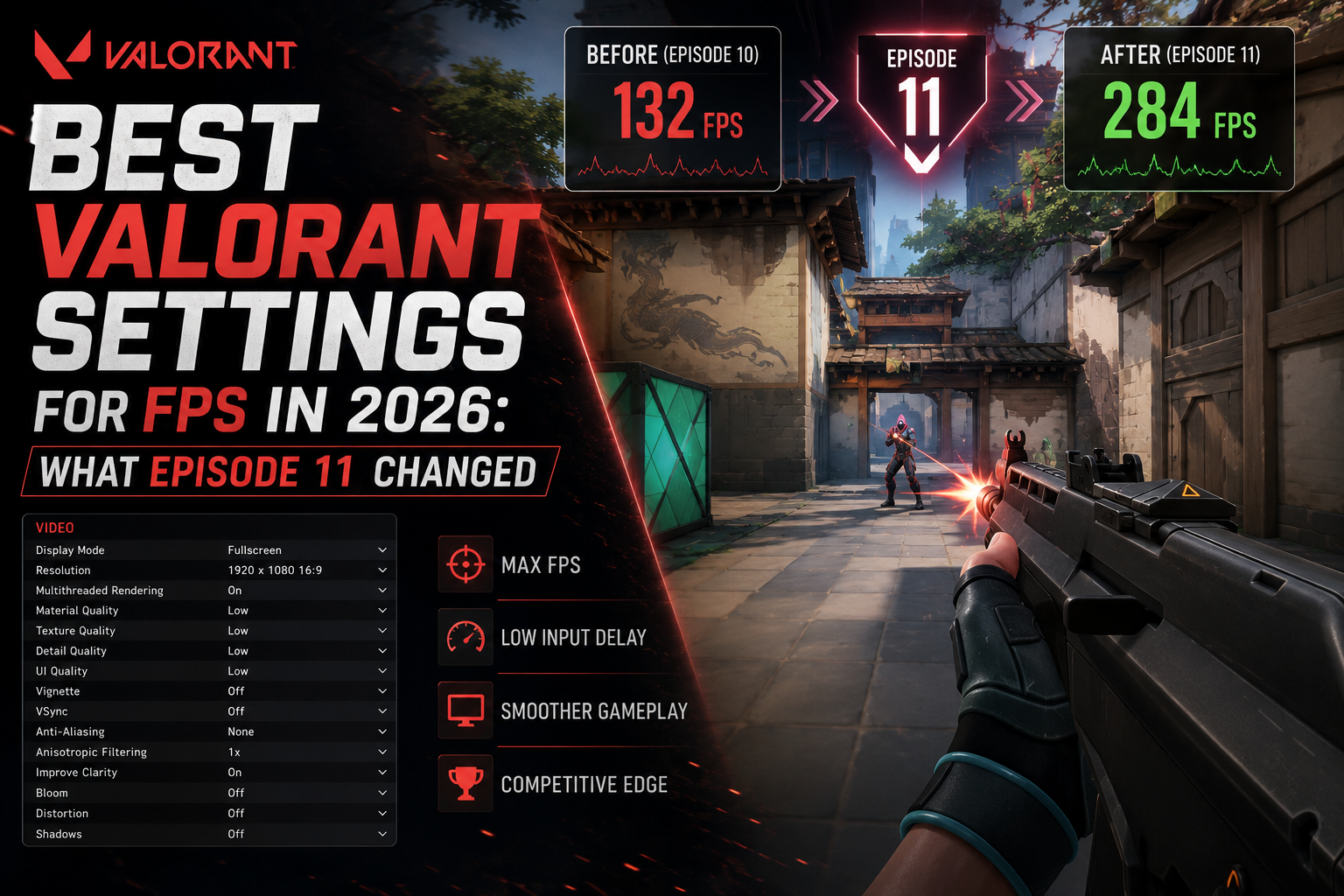

The Top Games To Play In February 2026 FullCleared Fullcleared Most Anticipated Games Of 2026 1536x864 . 2026 Upcoming Games And Game Release Dates Guide 2026 Upcoming Games Release Dates . Fortnite Settings For Low End PC Boost FPS Fix Lag 2026 Best Valorant Settings For FPS In 2026 What Episode 11 Changed . What Is FPS In Gaming An Ultimate A Z Guide. 10 Games FPS Fans Should Look Forward To In 2026 Toxic Commando

What Is Fps In Video Recording At James Tarvin Blog What Is FPS . 15 First Person Shooter FPS Games Of 2026 Exekiller 1536x864 . 15 NEW Upcoming FPS Games With INSANE GRAPHICS 2025 2026 PS5 PC 1751234765 1024x576 . 10 Games FPS Fans Should Look Forward To In 2026 Marathon . Best New FPS Games Of 2026 Gameranx Mqdefault