Mastering CFrame in Roblox Studio is a game-changer for any aspiring developer or dedicated gamer looking to enhance their building skills. This guide delves into how to use CFrame Roblox efficiently, enabling precise object manipulation, smooth animations, and complex structural designs. Understanding CFrame allows you to move, rotate, and position parts with unparalleled accuracy, which is essential for creating immersive and professional-grade experiences. Whether you're a busy adult balancing work and family who enjoys creative outlets in your limited gaming time, or a younger player eager to build the next big hit, CFrame offers the tools to elevate your projects. Learn to overcome common development hurdles and build more robust, performant games without the usual setup frustrations. This foundational knowledge is key to optimizing your Roblox development workflow and ensuring your creations stand out in a competitive, ever-evolving platform, saving you time and frustration in the long run. Embrace the power of CFrame to unlock new possibilities for dynamic and engaging virtual worlds.
Related games- Guide to Roblox Grow Your Garden 2026: Pro Tips
- Guide to Roblox Dread Codes 2026 How to Find and Use
- Guide Why Roblox Crashes on Your Phone 2026 Fixes
- Guide to Reddit Prebuilt PC Sales for 2026
- Guide to Roblox Usernames 2026: Snag Your Perfect ID
What is CFrame in Roblox and why is it important for game creators?
CFrame, short for Coordinate Frame, is a fundamental data type in Roblox that precisely defines an object's position and orientation in 3D space. It's crucial for game creators because it allows for advanced, accurate manipulation of parts, enabling smooth animations, complex builds, and interactive game mechanics. Understanding CFrame is key to creating polished and performant games, helping creators build more efficiently and effectively.
How do I move a part to a specific absolute position using CFrame in Roblox?
To move a part to an exact absolute position, you use 'part.CFrame = CFrame.new(x, y, z)'. For example, 'game.Workspace.Part.CFrame = CFrame.new(0, 10, 0)' will place the 'Part' at coordinates (0, 10, 0) in the workspace. This method provides direct, precise control over an object's location, which is vital for initial setup or teleportation mechanics.
What's the correct way to rotate a Roblox part using CFrame?
The correct way to rotate a part with CFrame is by multiplying its current CFrame with a rotation CFrame, usually created with 'CFrame.Angles(rx, ry, rz)'. For instance, 'part.CFrame = part.CFrame * CFrame.Angles(0, math.pi / 2, 0)' rotates the part 90 degrees around its local Y-axis. Remember that CFrame.Angles uses radians, where 'math.pi' equals 180 degrees.
How can CFrame multiplication be used for relative movement and complex transformations?
CFrame multiplication is powerful for relative movement because it applies one transformation relative to another. 'part.CFrame * CFrame.new(0, 5, 0)' moves the part 5 studs forward *from its current orientation*. This chaining of transformations simplifies complex actions like moving an object forward and then rotating it in a single, efficient operation, essential for dynamic object interactions.
Are there common mistakes Roblox developers make when learning CFrame?
Yes, common mistakes include forgetting to use radians for 'CFrame.Angles', misinterpreting the order of CFrame multiplication ('A * B' is not 'B * A'), and confusing CFrame with just Position/Orientation. Also, trying to modify CFrame components directly instead of using CFrame methods or properties can lead to issues. Being aware of these helps streamline the learning process.
When should I prioritize CFrame over simply changing a part's Position and Orientation?
Prioritize CFrame whenever precision, smooth animation, or complex relative transformations are required. While 'Position' and 'Orientation' work for static objects, CFrame excels with dynamic elements like moving platforms, character animations, or procedural generation. CFrame also helps avoid 'gimbal lock' and is generally more performant for frequent updates, delivering a better player experience.
Can CFrame be used to make an object look at another object in Roblox?
Absolutely! You can make an object look at another using 'CFrame.lookAt(eyePosition, targetPosition, upVector)'. For instance, 'part.CFrame = CFrame.lookAt(part.Position, targetPart.Position)' will orient 'part' to face 'targetPart' while keeping its 'up' direction aligned with the world's Y-axis. This is invaluable for camera systems, projectiles, or character gaze mechanics, adding realism to your games.
Are you a dedicated Roblox creator, perhaps someone who balances a demanding job or family life with a passion for building incredible virtual worlds? If so, you know that every moment in Roblox Studio is precious. You want to make those moments count, crafting games that are fun, engaging, and performant. One of the biggest hurdles many creators face is achieving precise control over their in-game objects – making them move, rotate, and interact exactly as envisioned. This often leads to frustrating alignment issues, clunky animations, or performance bottlenecks that steal valuable time. But what if there was a powerful tool that could solve these problems, giving you unparalleled precision and efficiency? This guide on how to use CFrame Roblox is designed to be your ultimate resource, transforming your building process and helping you create more dynamic and professional experiences, even with a busy schedule.
We understand that for many US gamers, particularly those around the average age of 36, gaming and creation are about more than just passing time; they're about relaxation, skill-building, and connecting with a community. With 87% of US gamers regularly engaging with their favorite titles, often for 10+ hours a week, and mobile gaming continuing its dominance, accessible and efficient development tools like CFrame are more important than ever. This article will demystify CFrame, offering practical solutions to common pain points and empowering you to take your Roblox development to the next level. No fluff, no hype – just actionable insights to help you build smarter, not harder.
What Exactly Is CFrame in Roblox and Why Does It Matter?
CFrame, short for Coordinate Frame, is a fundamental concept in Roblox that represents both the position and orientation of an object in a 3D space. Think of it as a super-powered combination of a Part's Position and Orientation properties rolled into one, but with far greater mathematical precision and utility. While you can individually set a part's position (Vector3) and orientation (Vector3, representing Euler angles), CFrame provides a robust way to handle these properties together, making complex transformations like rotation around a specific point or smooth movement much easier and more accurate. It matters because almost everything interactive in a Roblox game, from character movement to dynamic doors and intricate machinery, relies on the precise manipulation of CFrames. Understanding how to use CFrame Roblox is essential for anyone serious about creating polished, interactive experiences.
How Do I Start Using CFrame for Basic Part Positioning?
Getting started with CFrame for basic positioning is quite straightforward. The simplest way to define a CFrame is by its position using CFrame.new(x, y, z). This creates a CFrame at the specified coordinates, with its orientation set to default (no rotation). To apply this to a part, you would typically write a script that accesses the part's CFrame property. For example, 'part.CFrame = CFrame.new(0, 50, 0)' would move your 'part' to the coordinates (0, 50, 0) in the workspace. This method is incredibly precise, allowing you to place objects exactly where you need them without relying solely on the drag-and-drop tools in Roblox Studio, which can sometimes be less accurate, especially for fine adjustments needed in complex builds.
What's the Best Way to Rotate Objects Using CFrame?
Rotating objects with CFrame is where its power truly shines. Instead of dealing with individual Euler angles that can lead to 'gimbal lock' issues, CFrame provides dedicated methods for rotation. The most common is CFrame.Angles(rx, ry, rz), where rx, ry, and rz are rotations around the X, Y, and Z axes, respectively, measured in radians. Remember, 180 degrees is Math.pi radians, and 90 degrees is Math.pi / 2. So, to rotate a part 90 degrees around its Y-axis while keeping its current position, you would do 'part.CFrame = part.CFrame * CFrame.Angles(0, Math.pi / 2, 0)'. The multiplication operator is key here; it combines the current CFrame with the new rotation, ensuring rotations are relative to the object's current orientation, which is crucial for fluid animations and controlled movements.
How Can CFrame Multiplication Help with Complex Transformations?
CFrame multiplication is the backbone of advanced object manipulation in Roblox. When you multiply two CFrames, you're essentially applying one transformation relative to another. For instance, 'CFrame1 * CFrame2' means 'apply CFrame2's transformation relative to CFrame1's current position and orientation'. This is incredibly powerful for chaining operations. Imagine you want to place a part 5 studs forward from another part, and then rotate it 45 degrees. You could write 'partA.CFrame * CFrame.new(0, 0, -5) * CFrame.Angles(0, Math.pi / 4, 0)'. This single line applies a translation, then a rotation relative to the *new* translated position, making intricate movements far simpler and more robust than trying to calculate absolute positions and orientations. This method is essential for creating dynamic, interactive elements like joint systems, character animations, or moving platforms, allowing creators to build faster and debug less.
When Should I Use CFrame Instead of Just Position and Orientation?
While Position and Orientation properties are fine for static, simple placements, you should always favor CFrame when you need precision, smooth motion, or complex transformations. CFrame excels in scenarios like: animating objects over time, calculating the relative position between two parts, creating raycasts for advanced hit detection, or building procedural structures. For instance, making a swinging door or a rotating fan is significantly easier and more mathematically sound using CFrame. Also, CFrame helps avoid 'gimbal lock', a common issue with Euler angles where rotations on one axis can limit rotations on another. For gamers who prioritize performance optimization, CFrame operations are often more efficient under the hood, leading to smoother gameplay and fewer lag spikes, which is a major win for both creators and players who value a polished experience.
What Are Some Common Pitfalls to Avoid When Learning CFrame?
Learning CFrame can have a few tricky spots. One common pitfall is forgetting to use radians for rotations; CFrame.Angles exclusively uses radians, not degrees. Another is misinterpreting CFrame multiplication order – 'A * B' is not the same as 'B * A'. The order of operations matters significantly, as it dictates which transformation is applied first. Also, beginners often confuse CFrame.new(Vector3.new(x,y,z)) with CFrame.new(x,y,z,R00,R01...), which are fundamentally different; the latter is for advanced matrix-based construction. Finally, ensure you're working with the 'CFrame' property of parts, not just their 'Position' or 'Orientation' directly when aiming for CFrame-based control. Being mindful of these details will save you hours of debugging and frustration, letting you spend more time enjoying the creative process and less time troubleshooting.
Can CFrame Be Used for Character Movement and Animation?
Absolutely! CFrame is extensively used for character movement and animation, particularly in more advanced or custom character controllers. While Roblox's default Humanoid system handles much of the basic character movement, CFrame provides the underlying mathematical framework for precisely moving and orienting body parts, creating custom walk cycles, or implementing unique abilities. For example, a dash ability might rapidly update a character's HumanoidRootPart.CFrame to propel them forward, or a custom climbing system could rely on CFrame calculations to smoothly transition the character along surfaces. Many popular custom animation systems leverage CFrame to define key poses and interpolate between them, resulting in fluid and realistic character motion. This capability is vital for creators looking to differentiate their games with unique gameplay mechanics and visually appealing character interactions, a common trend in 2026's social gaming landscape.
How Does CFrame Impact Game Performance and Optimization?
CFrame operations are inherently optimized within the Roblox engine because they use matrices, which are very efficient for 3D transformations. When you efficiently use CFrame, especially for movements and rotations, you contribute positively to game performance. For instance, instead of repeatedly setting a part's Position and Orientation separately in a loop, which can be less efficient due to multiple property changes, updating a part's CFrame property once per frame is generally better. However, constantly updating the CFrame of hundreds or thousands of parts every frame without necessity can still strain performance. The key is smart usage: only update what needs to be updated, and leverage server-side physics for physically simulated objects where possible. For players who game on diverse hardware, from high-end PCs to mobile devices (which dominate the US gaming market with their accessibility), well-optimized CFrame usage ensures a smoother, more enjoyable experience across the board, reducing lag and enhancing responsiveness.
What are some advanced CFrame techniques for experienced developers?
For those looking to push the boundaries, CFrame offers several advanced techniques. One is using CFrame.lookAt(eye, at, up) to make an object face a specific point while controlling its 'up' direction, crucial for camera systems or projectile tracking. Another is utilizing CFrame:inverse() to find the transformation that undoes another CFrame, useful for converting global coordinates to local coordinates. Interpolating between two CFrames using lerp is also powerful for smooth, non-linear movements or camera transitions. Experienced developers often delve into CFrame construction with explicit rotation matrices (CFrame.new(x,y,z,R00,R01,R02,R10,R11,R12,R20,R21,R22)) for highly specialized mathematical operations, though this is less common for everyday building. Mastering these advanced methods unlocks the ability to create highly sophisticated, physics-defying interactions and custom character mechanics that truly set a game apart.
In 2026, where players expect seamless experiences and creators are constantly innovating, understanding these nuances of CFrame becomes a competitive edge. It's about building smarter, not just harder, allowing you to maximize your creative output even when balancing life's demands.
Conclusion
Learning how to use CFrame Roblox effectively is a pivotal step for any creator aiming for precision, efficiency, and dynamic gameplay. From basic positioning and rotation to complex chained transformations and advanced character animations, CFrame is the cornerstone of robust Roblox development. By embracing this powerful tool, you can overcome common building frustrations, optimize your game's performance, and craft experiences that truly stand out in the bustling Roblox universe. We've explored the fundamentals, tackled common pitfalls, and even touched upon advanced techniques that can elevate your creations. Remember, precise control leads to better games and a more satisfying creative process. So, dive in, experiment, and start building the Roblox world you've always envisioned.
What's your biggest CFrame challenge or your favorite CFrame trick? Share it in the comments below! Let's help each other build better games.
FAQ Section
What is a CFrame in Roblox?
A CFrame is a fundamental data type in Roblox that represents an object's position and orientation in 3D space simultaneously. It's more powerful and precise than using separate Position (Vector3) and Orientation (Vector3) properties, allowing for complex transformations like rotations around arbitrary axes or relative movements. It's crucial for dynamic and interactive elements.
How do I move a part using CFrame?
To move a part using CFrame, you set its 'CFrame' property to a new CFrame. For example, 'part.CFrame = CFrame.new(x, y, z)' will move the part to the absolute coordinates (x, y, z). For relative movement, you can multiply the part's current CFrame: 'part.CFrame = part.CFrame * CFrame.new(0, 5, 0)' would move it 5 studs along its own local Y-axis.
What's the difference between CFrame.new() and CFrame.Angles()?
CFrame.new() is primarily used to define a CFrame's position in space, optionally taking a 'lookAt' vector to also define its orientation. CFrame.Angles(rx, ry, rz) specifically creates a CFrame representing *only* a rotation around the X, Y, and Z axes (in radians). You typically multiply CFrame.Angles with an existing CFrame to apply rotation without changing position.
Why should I use CFrame for rotations instead of Orientation?
Using CFrame for rotations is recommended because it avoids 'gimbal lock,' a problem where rotating on one axis can cause a loss of rotation freedom on another. CFrame handles rotations using rotation matrices, which are mathematically more robust and prevent these issues, resulting in smoother and more predictable rotational movements, especially for complex animations.
Can I animate objects smoothly with CFrame?
Yes, CFrame is ideal for smooth object animation. Techniques like CFrame:Lerp(targetCFrame, alpha) allow you to smoothly interpolate between two CFrames over time, creating fluid transitions. Combining this with 'RunService.Heartbeat' or 'TweenService' enables sophisticated, performance-friendly animations for various in-game objects, from doors to custom characters, enhancing player immersion.
What does CFrame multiplication do?
CFrame multiplication combines two transformations. When you multiply 'CFrameA * CFrameB', it means 'apply the transformation defined by CFrameB relative to the coordinate system of CFrameA'. This allows for complex, chained movements and rotations, where each subsequent transformation builds upon the previous one, making it incredibly powerful for intricate object relationships and movements.
CFrame fundamentals; Position and Orientation; CFrame.new() for basic placement; CFrame.Angles() for rotation; CFrame multiplication for transformations; Advanced CFrame applications; Scripting CFrame in Roblox; Enhancing game dynamics with CFrame.
35


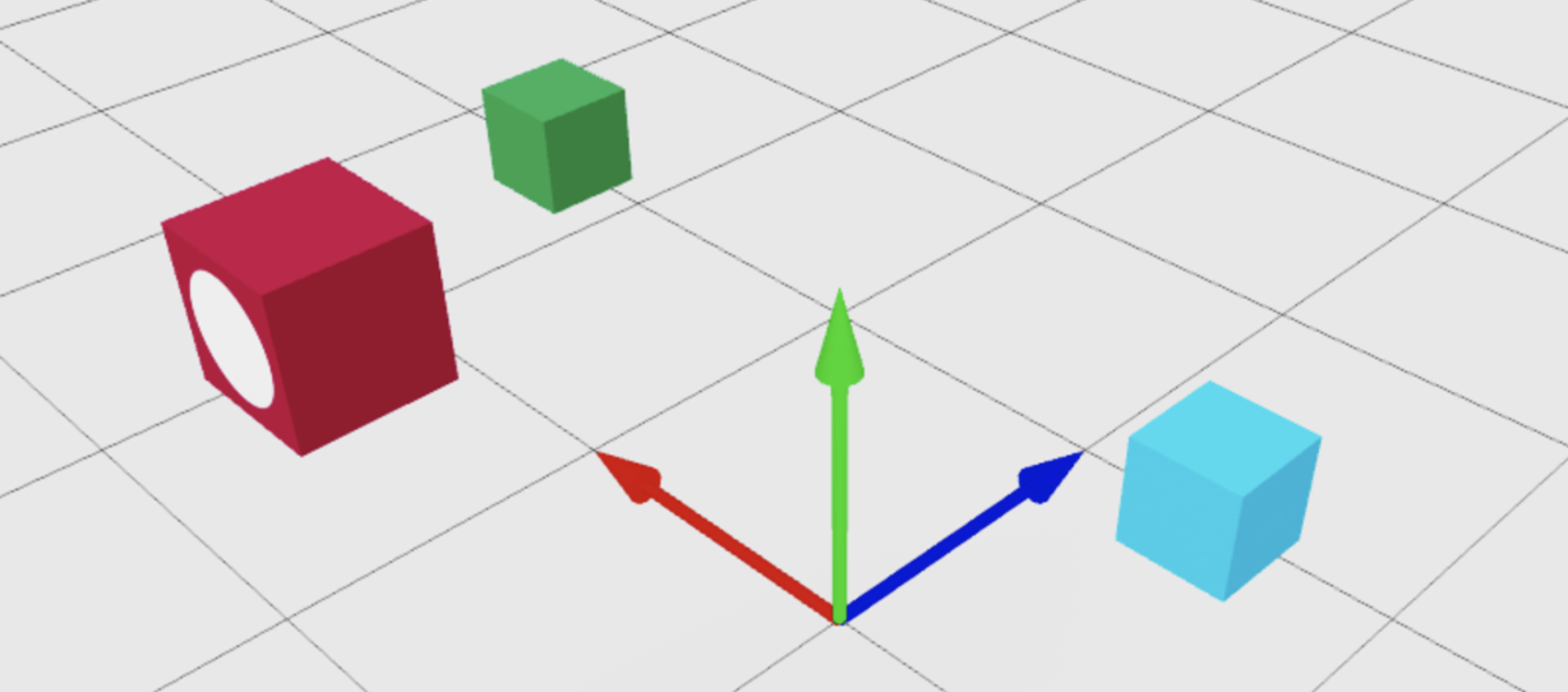
ROBLOX How To Use CFrame To Move Parts YouTube . CFrames Intro Guide For Position And Rotation In Roblox Studio YouTube . Roblox Studio How To Series MAKE A MOVING PART WITH CFRAME YouTube . How To Use CFrame LookAt In Roblox Studio YouTube . CFrames Roblox Creator Hub CFrame Lerp A


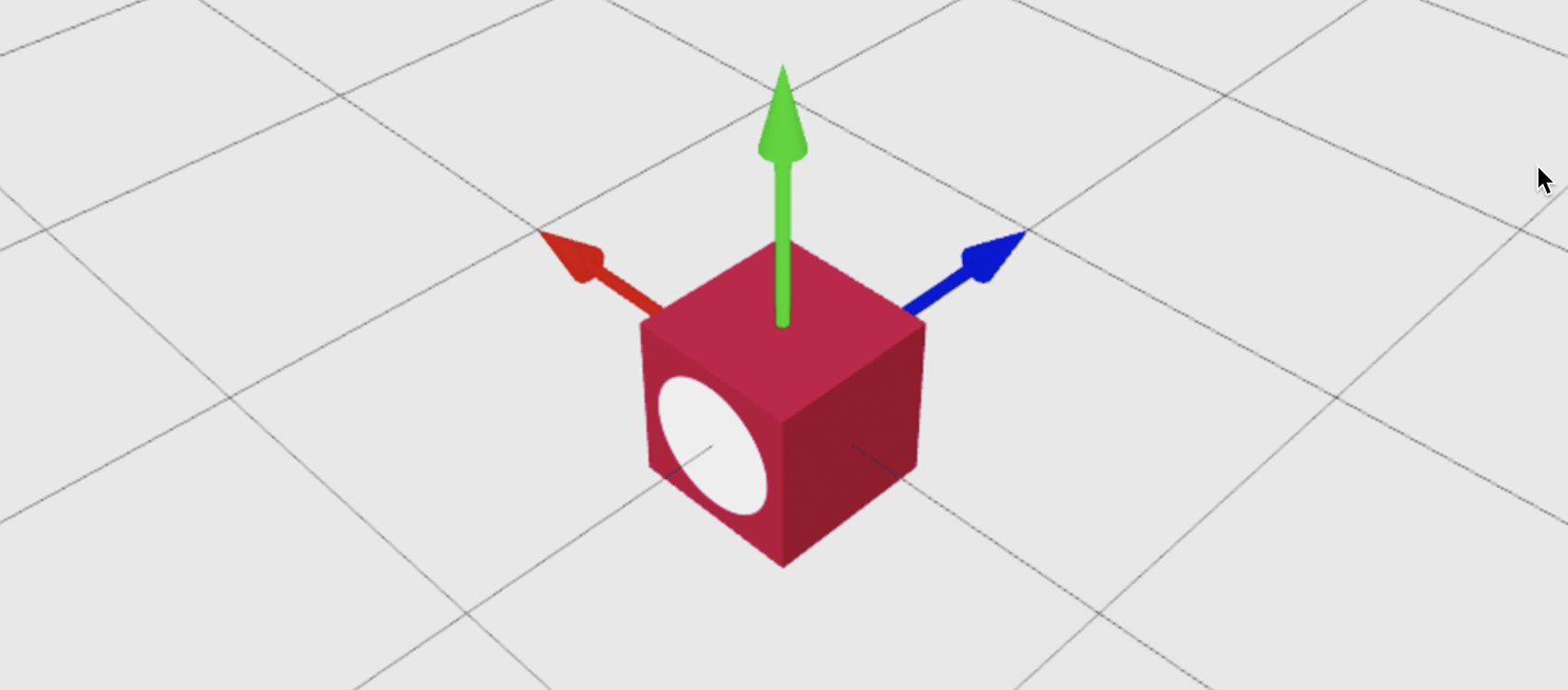

CFrame Roblox Tutorial Cframe1 . Roblox CFrames Position And Rotate Objects Roblox Studio Tutorial . What Is CFrame Roblox CFrame Tutorial LookVector Angles More . CFRahmen Roblox Creator Hub CFrame Strict Rotation A . How To Cframe IN ROBLOX Studio YouTube


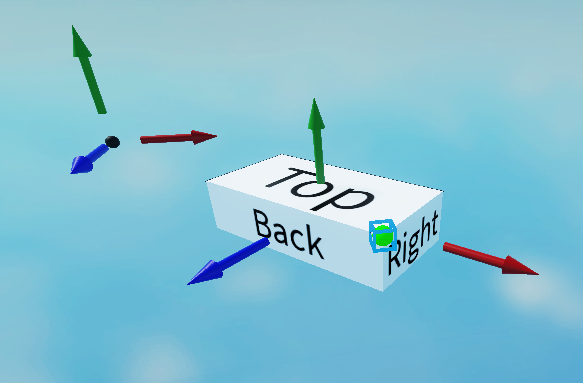
Roblox Studio Tutorial How To Use CFrame YouTube . How To Use CFrames In Roblox Studio I CFrame Tutorial YouTube . How To Use CFrame And CFrame In Roblox . How To Use Cframe On Roblox YouTube Hqdefault . Beginner S Guide To CFrames And How To Use Them CFrame



How To Use CFrame LookAt Scripting Support Developer Forum Roblox . ROBLOX Tutorial How To Install And Use Cframe Plugins YouTube Hqdefault . Cframe Roblox Studio H Ng D N Chi Ti T V Ng D Ng M Nh M . How To Use CFrame LookAt Scripting Support Developer Forum Roblox . How To Use CFrame LookAt Scripting Support Developer Forum Roblox



How To Use CFrame LookAt Scripting Support Developer Forum Roblox . How To Use The CFrame Tool On Roblox YouTube Hqdefault . Roblox How To Move A Part Using CFrame YouTube . How Do I Play CFrame Animations Scripting Support Developer Forum 2 1380x718 . Beginner S Guide To CFrames And How To Use Them CFrame


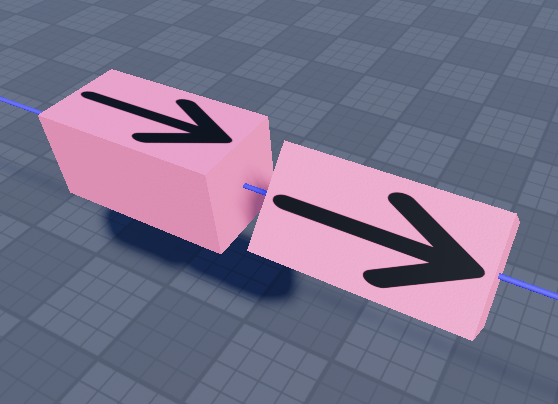
How To Use CFrame Scripting Support Developer Forum Roblox . Beginner S Guide To CFrames And How To Use Them CFrame . How To Use CFrame LookAt Scripting Support Developer Forum Roblox . Beginner S Guide To CFrames And How To Use Them CFrame . How To Use CFrame LookAt Scripting Support Developer Forum Roblox


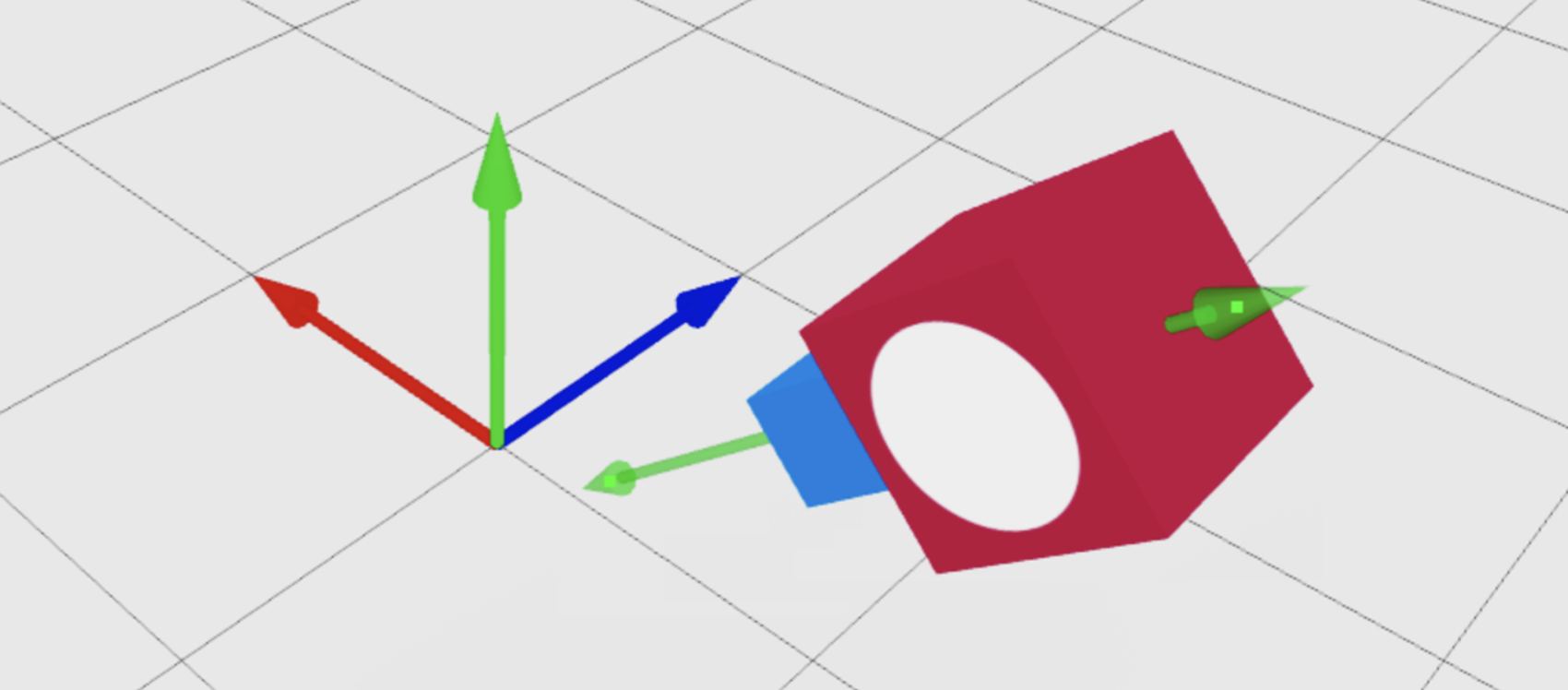
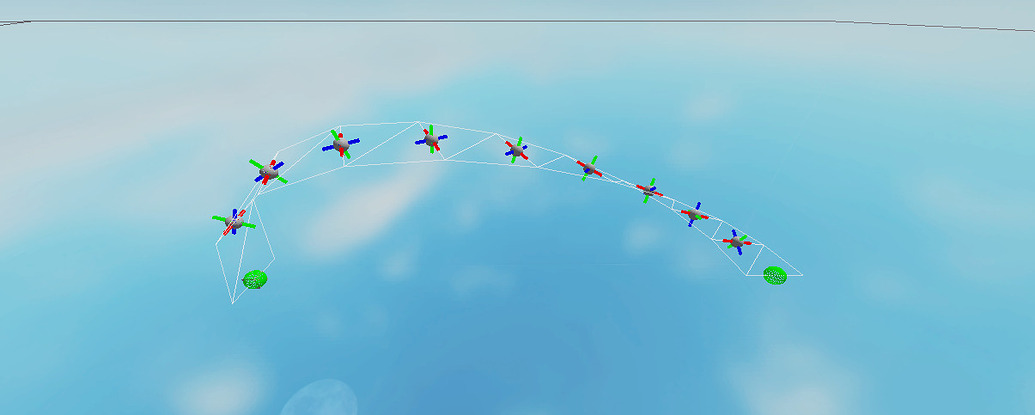
Advanced CFrame Examples In Roblox Studio Bb2ccb . Roblox Studio How To Series MAKE A ROTATING PART WITH CFRAME YouTube . How To Use Cframe Roblox 2024 YouTube . CFrames Roblox Creator Hub CFrame Other Part Relative Position B . How Do I Get The CFrame Rotation Along A Beam Using The CFrame Rotation 2 1035x415