Choosing the right gaming PC case is often underestimated, yet it is a critical decision for any serious gamer. Beyond just aesthetics, your gaming PC case plays a pivotal role in maintaining optimal system performance, ensuring longevity for your expensive components, and providing a foundation for future upgrades. For the average US gamer, around 36 years old, who balances work, family, and a passion for digital worlds, time and money are valuable. This guide cuts through the hype to offer practical insights into selecting a case that truly meets your needs. We will explore how proper airflow prevents thermal throttling, the importance of robust build quality, effective cable management strategies, and how to spot value-for-money features that truly enhance your gaming experience. Understanding these elements can transform a frustrating build or an overheating rig into a smooth, enjoyable gaming setup, letting you unwind and dominate without a hitch.
What is the ideal airflow configuration for a gaming PC case?
The ideal airflow configuration typically involves intake fans at the front and bottom, pushing cool air in, and exhaust fans at the top and rear, pulling hot air out. This creates a positive pressure system that keeps dust out and components cool.
How much should I spend on a good gaming PC case?
You can find excellent gaming PC cases ranging from 70 to 150 USD. While premium cases offer more features and aesthetics, many mid-range options provide superb airflow, build quality, and cable management without breaking the bank for the average gamer.
Do gaming PC cases come with fans pre-installed?
Most gaming PC cases come with at least one or two fans pre-installed, usually a rear exhaust and sometimes a front intake. However, for optimal cooling, especially with high-end components, you might want to add more fans or replace the stock ones with higher-performance alternatives.
Can a gaming PC case improve my game performance or FPS?
Directly, no, a gaming PC case does not improve FPS. Indirectly, yes. A case with excellent airflow and cooling keeps your CPU and GPU temperatures lower, preventing thermal throttling. This ensures your components maintain their boost clocks and perform at their peak potential, giving you consistent frame rates.
What is the difference between an ATX, Micro-ATX, and Mini-ITX gaming PC case?
These terms refer to motherboard form factors and dictate the size of the case. ATX cases are standard full-sized towers, offering ample space for components and cooling. Micro-ATX cases are smaller, supporting smaller motherboards, while Mini-ITX cases are compact, designed for mini PCs with limited expansion options, ideal for small spaces or portable builds.
Is tempered glass a good feature for a gaming PC case?
Tempered glass panels are highly popular for their premium look, showcasing internal components and RGB lighting. While they add aesthetic value, they can sometimes restrict airflow compared to mesh panels. Modern designs often incorporate both, using mesh for critical intake areas and glass for display.
How important is cable management in a gaming PC case?
Cable management is crucial for several reasons. It significantly improves airflow by preventing tangled wires from obstructing vents, leading to better cooling. Aesthetically, it creates a much cleaner build that is easier to maintain and upgrade. Many modern cases offer dedicated channels and ties for easy routing.
Hey fellow gamers! Ever felt like your trusty gaming rig is running a bit hot, or maybe it is just a tangled mess of cables? You are not alone. In the rush to pick the best CPU and GPU, the humble gaming PC case often gets overlooked, yet it is arguably one of the most foundational components for a stable, high-performing, and long-lasting system. For many of us, gaming is a vital escape, a way to relax, build skills, or connect with friends after a long day of work and family responsibilities. US gamers, with 87 percent playing regularly and averaging over 10 hours a week, know the value of a smooth experience. You want performance optimization and value for money, not hype and headaches. A well-chosen gaming PC case addresses common pain points like overheating, difficult setups, and limited upgrade paths, ensuring your precious gaming time is spent dominating, not troubleshooting.
This comprehensive guide will dive deep into everything you need to know about selecting the perfect gaming PC case in 2026. We will tackle the latest trends, essential features, and common pitfalls, all with a practical, problem-solving approach. By the end, you will be equipped to make an informed decision that elevates your gaming experience without breaking the bank or requiring a weekend of tinkering. Let us get your rig looking cool and staying cool!
Why is a Gaming PC Case More Than Just a Box?
Think of your gaming PC case as the unsung hero of your system. It is not just about looks, though aesthetics certainly play a part. Its primary job is to protect all your expensive components from dust, spills, and accidental bumps. More crucially, it is the primary manager of your system is thermal environment. A well-designed gaming PC case facilitates optimal airflow, drawing in cool air and expelling hot air, preventing your CPU and GPU from thermal throttling. This means consistent, peak performance during those intense gaming sessions, which is vital when you only have a limited time to play. Neglect the case, and you risk poor cooling, which can lead to stuttering frames, reduced component lifespan, and a generally frustrating gaming experience.
Beyond protection and cooling, the case also dictates your build experience. Good cases offer features like ample space for cable management, tool-less drive bays, and modular designs that make assembly and future upgrades much simpler. For busy gamers balancing life and play, anything that saves time and hassle is a win. A quality case is an investment in your system's health and your sanity.
What are the Key Factors When Choosing a Gaming PC Case in 2026?
Choosing a gaming PC case today involves balancing several critical elements to ensure a harmonious build that meets both your performance and aesthetic needs. First, **size and compatibility** are paramount; ensure your chosen case supports your motherboard form factor (ATX, Micro-ATX, Mini-ITX) and has enough clearance for your GPU, CPU cooler, and power supply. Second, **airflow and cooling potential** are crucial. Look for cases with good ventilation, often featuring mesh panels or multiple fan mounts. Third, **cable management features** like routing channels and tie-down points are essential for a clean look and improved airflow. Fourth, **build quality and materials** matter for durability and aesthetics, with tempered glass and sturdy steel being common choices. Finally, **future-proofing and expandability** should be considered for potential upgrades down the line, ensuring space for additional storage or larger components. Balancing these will lead to a case that serves your rig well for years.
How Does Case Size Impact Your Gaming Experience?
The size of your gaming PC case directly impacts several aspects of your build and gaming experience, so it is important to choose wisely based on your needs. The three most common form factors are ATX (mid-tower or full-tower), Micro-ATX, and Mini-ITX. ATX cases offer the most space, supporting standard ATX motherboards, multiple large GPUs, and extensive cooling solutions like large liquid cooling radiators. This extra room makes building easier, improves airflow, and provides ample space for future upgrades or additional storage drives, ideal for gamers who want maximum performance and flexibility. However, they can be bulky and take up significant desk space.
Micro-ATX cases are a step down in size, supporting smaller motherboards and offering a good balance between compactness and expandability. They are great for gamers who want a smaller footprint without sacrificing too much performance or upgrade potential. Mini-ITX cases are the smallest, designed for compact builds and HTPCs. They are perfect for minimalist setups or where space is severely limited, but they often come with compromises in terms of component compatibility (especially large GPUs or coolers), cable management challenges, and airflow limitations. For the average gamer, a mid-tower ATX case often hits the sweet spot, providing enough room for powerful components and good cooling without being overly cumbersome.
What is the Deal with Airflow and Cooling in Modern Cases?
In 2026, efficient airflow and cooling are more critical than ever, especially as modern CPUs and GPUs push thermal boundaries to deliver peak performance. The primary goal is to get cool air in and hot air out as efficiently as possible. Cases with **mesh front panels** have become immensely popular for their superior airflow compared to solid or tempered glass fronts. These mesh designs allow for unobstructed intake of fresh air, feeding your components what they need.
When evaluating cooling, look for cases that support multiple fans – typically 120mm or 140mm – and have versatile mounting options at the front, top, and rear. A good airflow strategy often involves a **positive pressure setup**: more intake fans than exhaust fans. This helps to prevent dust buildup by forcing air out through small gaps, rather than letting dust sneak in. Many cases now feature dedicated dust filters on intake vents, a godsend for maintaining your system in a dust-prone environment. Support for liquid cooling, specifically AIO (All-In-One) radiators, is also a key consideration. Ensure the case has enough clearance for your desired radiator size (e.g., 240mm, 360mm) at the top or front, which is increasingly common for high-end gaming rigs.
Are RGB and Aesthetics Still Important for Busy Gamers?
Absolutely, RGB and aesthetics remain a significant factor for many gamers, even those balancing demanding schedules. While pure performance is paramount, there is an undeniable joy in having a setup that looks good and reflects your personality. For a generation that grew up with gaming and streaming culture, showing off your rig, even if just to yourself, can be part of the overall experience. This month's trends continue to highlight personalization, with seamless software integration for RGB lighting control being a major plus. Many cases feature tempered glass side panels to showcase your components, especially if you have RGB fans, RAM, or a GPU with built-in lighting. The key is to find a balance between form and function. A case that looks great but chokes your components is a bad deal. Conversely, a high-performing but unsightly case might not bring you the same level of satisfaction.
Today's market offers plenty of options that combine excellent airflow with stunning aesthetics. Look for cases that use mesh where it counts (like front intakes) but still incorporate tempered glass for display. Subtle, addressable RGB (aRGB) is often preferred over flashy, uncoordinated lighting, allowing for a more sophisticated and personalized look that fits into any gaming space, whether it is a dedicated battlestation or a corner of the living room.
How Can I Manage Cables for Better Performance and Looks?
Effective cable management is not just about making your gaming PC look neat; it is a fundamental aspect of optimizing performance and ease of maintenance. Untidy cables can obstruct airflow, creating hot spots within the case and reducing cooling efficiency. This directly impacts component temperatures and can lead to thermal throttling during extended gaming sessions. Fortunately, modern gaming PC cases are designed with cable management in mind, offering features that make the process far less daunting.
Look for cases with **ample space behind the motherboard tray** for routing cables. Dedicated **cable cutouts with rubber grommets** protect your cables and provide clean paths. Many cases also include **Velcro straps or zip tie points** to secure bundles of cables, keeping them tidy and out of the way. When building, plan your cable runs before installing all components. Connect your power supply cables, route them behind the motherboard tray, and then bring them through the appropriate cutouts to their respective components. Taking the time to manage cables properly will result in a cleaner, cooler, and more visually appealing build that is easier to work with when it is time for upgrades or cleaning.
What Features Should I Look for in a Budget-Friendly Gaming PC Case?
Building a gaming PC on a budget does not mean you have to compromise on the case. Many manufacturers offer excellent budget-friendly gaming PC cases that provide superb value without cutting corners on essential features. When looking for a cost-effective option, prioritize the following: **Good airflow** is non-negotiable; seek cases with mesh front panels or generous ventilation. Even if it only includes one or two fans, ensure there are plenty of additional fan mounts for future upgrades. **Adequate internal space** for your components and basic cable management features like tie-down points behind the motherboard tray are crucial. While tempered glass is popular, a budget case might use acrylic or a solid side panel, which can be perfectly fine for saving money. Focus on sturdy construction and avoid flimsy materials. USB 3.0 front panel ports are also a valuable addition. Remember, a budget case can still be effective if it covers these core necessities, allowing you to allocate more of your budget to the CPU or GPU.
How Do I Future-Proof My Gaming PC Case for Upgrades?
Future-proofing your gaming PC case is about making smart choices today that save you time, money, and hassle tomorrow. Technology evolves rapidly, and you will likely want to upgrade components like your GPU or CPU cooler in the future. A future-proof case offers generous **internal clearance** for large GPUs and tall CPU air coolers. Crucially, it should also support various liquid cooling radiator sizes (e.g., 240mm, 360mm) at multiple locations (front, top) to accommodate advanced cooling solutions. **Modular designs** with removable drive cages or adaptable fan mounts provide flexibility. Ample **storage expandability** with multiple 2.5-inch SSD and 3.5-inch HDD bays ensures you can easily add more storage as your game library grows. Furthermore, investing in a case with **good build quality** and durable materials means it will withstand multiple component swaps over its lifespan. Thinking ahead about these features allows your gaming PC case to remain a relevant and capable foundation for many years, adapting to new hardware without forcing a complete system re-build.
What are the Latest Trends in Gaming PC Cases?
The gaming PC case market in 2026 is buzzing with innovation, catering to the diverse needs of modern gamers. One prominent trend is the rise of **modular designs**, allowing users to reconfigure internal layouts for different cooling setups or component arrangements. This flexibility is a game-changer for enthusiasts and those who frequently upgrade. **Silent gaming cases** are also gaining traction, featuring sound-dampening materials and optimized airflow paths to reduce noise without compromising cooling performance, appealing to gamers who value a quiet environment for streaming or focused play. **Eco-friendly materials** and manufacturing processes are becoming more common as sustainability becomes a larger concern, even in tech. Furthermore, we are seeing more cases designed for seamless **smart home integration**, with built-in sensors or connectivity options for enhanced environmental control or RGB synchronization. The emphasis is on blending high performance with user-centric features and environmental consciousness, making for some truly exciting options this month.
Where Can I Find Reliable Reviews and Recommendations?
Navigating the vast market of gaming PC cases can be overwhelming, but there are several reliable resources to help you make an informed decision. Start by checking out reputable tech review websites and YouTube channels. Sites like Gamers Nexus, Hardware Canucks, and TechPowerUp provide in-depth, data-driven reviews focusing on thermal performance, build quality, and value. Their testing methodologies are rigorous, often including specific metrics for airflow and noise. User reviews on major retail platforms like Amazon, Newegg, and Micro Center can also offer practical insights, especially regarding real-world build experiences and common issues. For a more personal touch, engage with gaming communities on platforms like Reddit (r/buildapc, r/PCMasterRace) or Discord servers. Fellow gamers, often balancing similar life demands, are usually happy to share their experiences and recommendations based on their own builds, offering relatable advice that cuts through marketing jargon. Always cross-reference a few sources to get a well-rounded perspective before committing to a purchase.
So, you have chosen your components, but do not forget the backbone of your system: the gaming PC case. This is where your investment is protected and where your performance truly breathes. The average gamer spends significant time in their digital worlds, and a thoughtful case choice ensures that time is well-spent, without annoying heat issues or frustrating build experiences. Remember, a good gaming PC case is not just about aesthetics; it is about optimal cooling, easy upgrades, and overall system health. Invest wisely, and your rig will reward you with consistent, top-tier performance for years to come.
What is your biggest gaming challenge with your current PC case? Comment below and let us help you tackle it!
Do I really need an expensive gaming PC case?
No, you do not need an expensive gaming PC case. While premium cases offer advanced features and aesthetics, many mid-range options provide excellent airflow, sturdy construction, and sufficient space for components and cable management. Focus on core functionalities like cooling performance and compatibility over flashy extras to get great value.
What is the best material for a gaming PC case?
Steel is commonly used for its durability and structural integrity. Tempered glass offers a premium look to showcase components but can sometimes restrict airflow. Cases with mesh panels, often made of steel or plastic, are excellent for maximizing airflow. The best material balances durability, aesthetics, and thermal performance for your specific needs.
Can a good PC case improve my FPS?
Indirectly, yes. A good PC case improves cooling by facilitating optimal airflow, preventing your CPU and GPU from thermal throttling. When components stay cooler, they can maintain higher boost clocks for longer periods, leading to more stable and consistent frame rates, thereby enhancing perceived gaming performance.
How often should I clean my PC case filters?
You should aim to clean your PC case dust filters every 1 to 3 months, depending on your environment and how often you use your PC. Dusty environments or pets may require more frequent cleaning. Regular cleaning ensures unimpeded airflow, which is crucial for maintaining optimal temperatures and preventing component damage.
Are small form factor gaming cases good for beginners?
Small form factor (SFF) gaming cases can be challenging for beginners due to their limited space, which makes cable management and component installation more difficult. They often require specific, smaller components and can have restricted airflow. Mid-tower ATX cases are generally recommended for beginners due to their ample room and ease of building.
What is positive pressure airflow in a PC case?
Positive pressure airflow means there are more intake fans bringing air into the case than exhaust fans pushing air out. This creates higher internal pressure, which helps to force air out through small gaps and cracks, preventing dust from entering the case through unfiltered openings. It is an effective strategy for dust management and cooling.
What are the common pain points solved by a good gaming PC case?
A good gaming PC case solves overheating issues with superior airflow, reduces dust buildup through effective filtration, simplifies future upgrades with ample space and modularity, and improves system aesthetics via thoughtful design and cable management options. It transforms the PC building and gaming experience.
Optimal cooling and airflow are paramount for performance. Size compatibility with components is essential. Cable management improves aesthetics and airflow. Durability and build quality ensure component protection. Future-proofing allows for easy upgrades. Aesthetic appeal with practical features like tempered glass or mesh.
35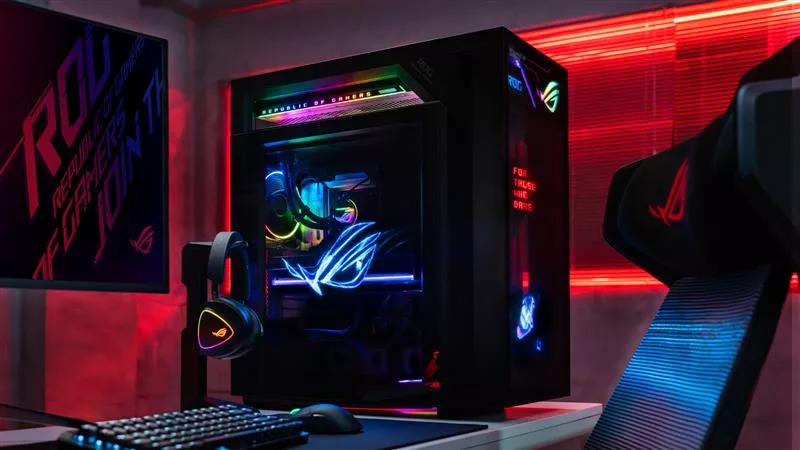

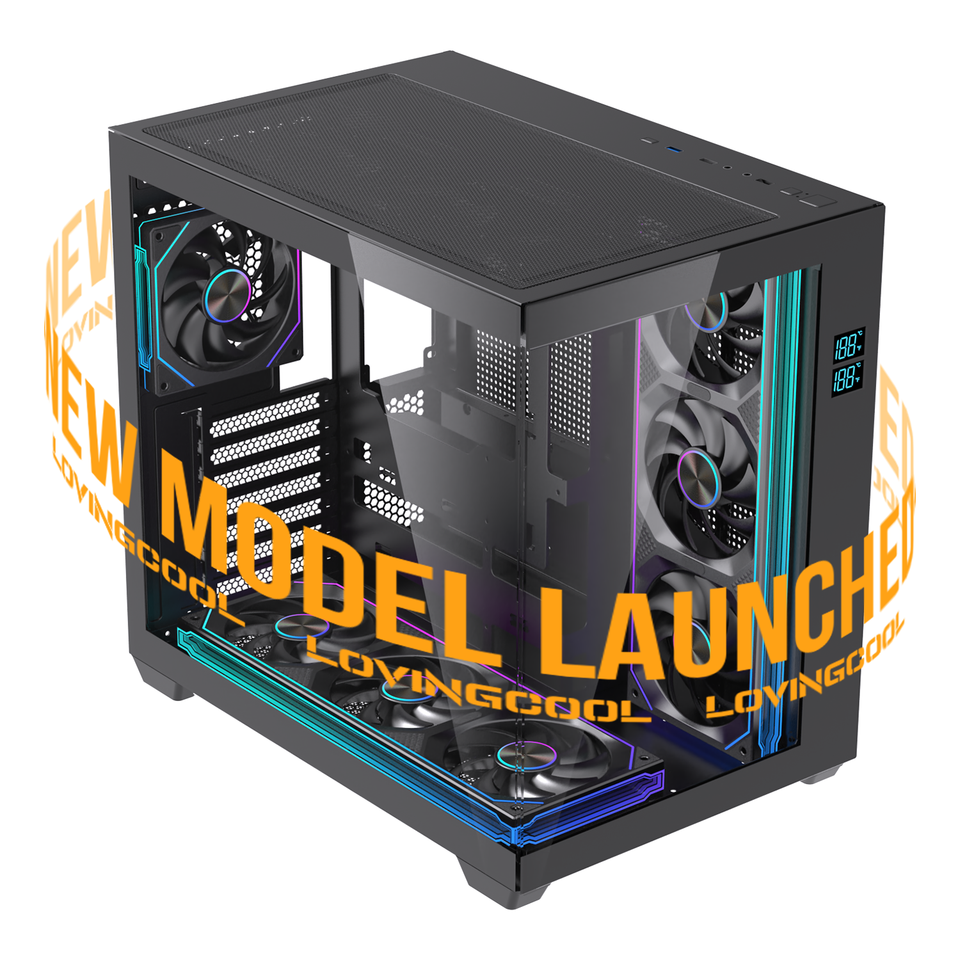
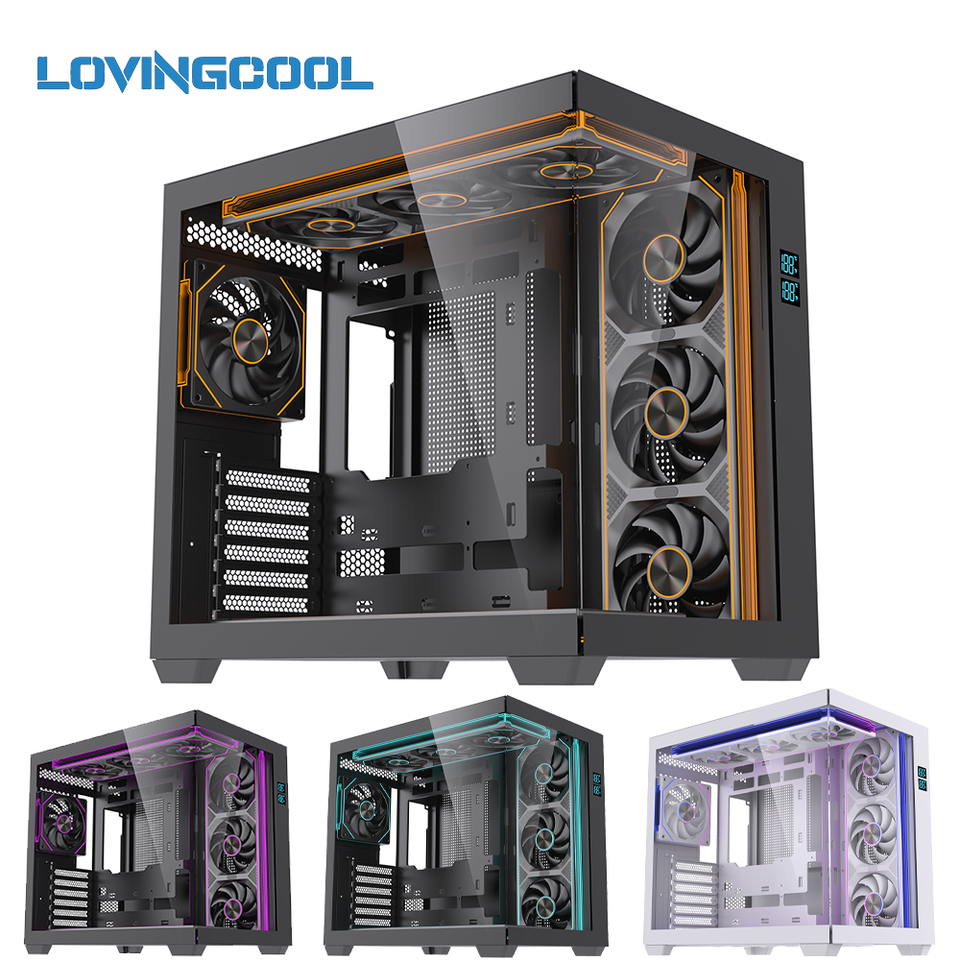
The ROG Cronox ARGB Gaming PC Case Stuns With An LCD Screen Panoramic. The Best PC Cases For Gaming In 2026 Best Pc Case . LOVINGCOOL 2026 PC Case Gaming ATX Case Oversized Side Stalinite Wide 960x960q80 . LOVINGCOOL 2026 PC Case Gaming ATX Case Oversized Side Stalinite Wide 960x960q80 . The Best PC Cases In 2026 These Are The Chassis I D Use For My Next 320 80
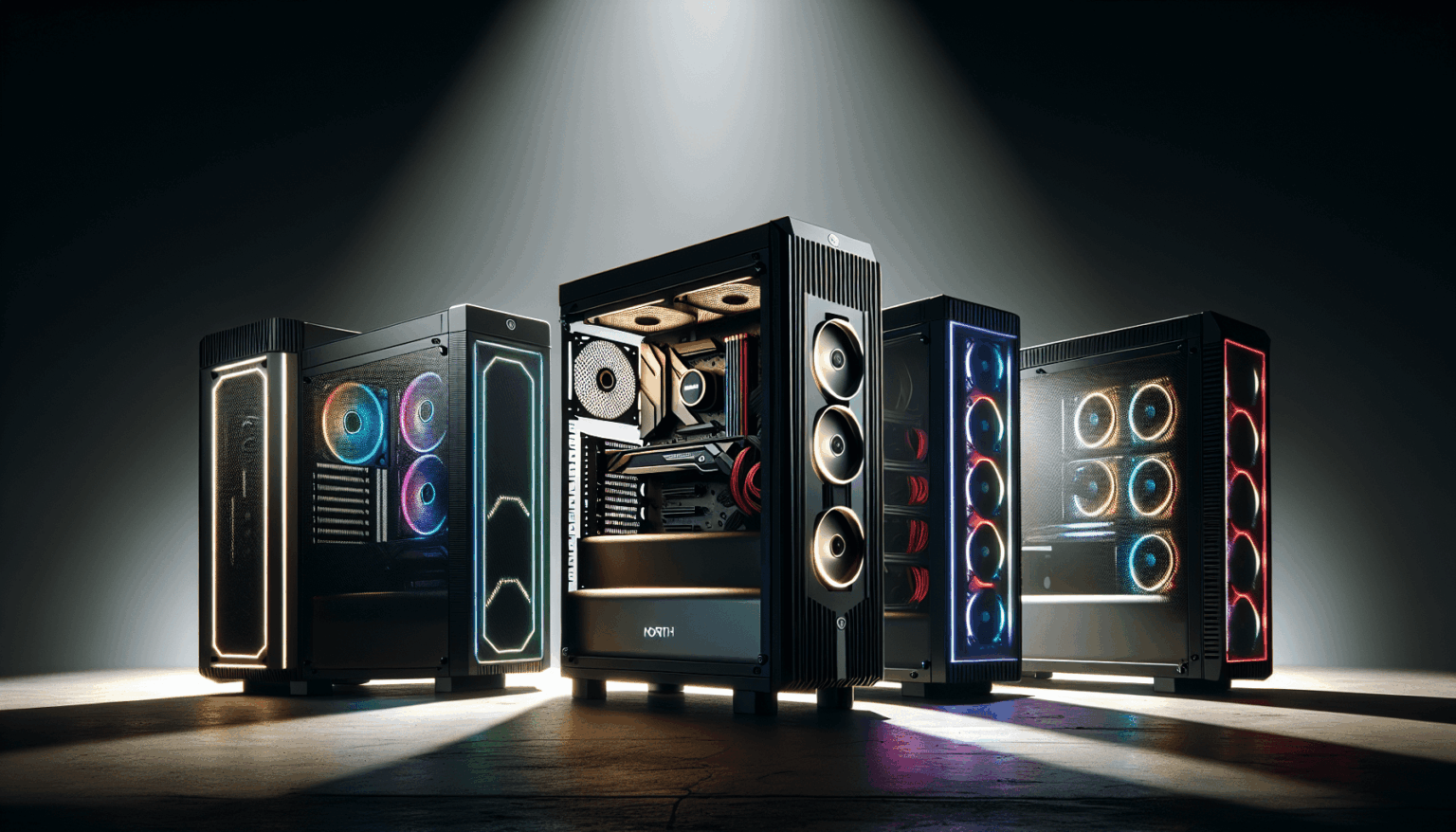


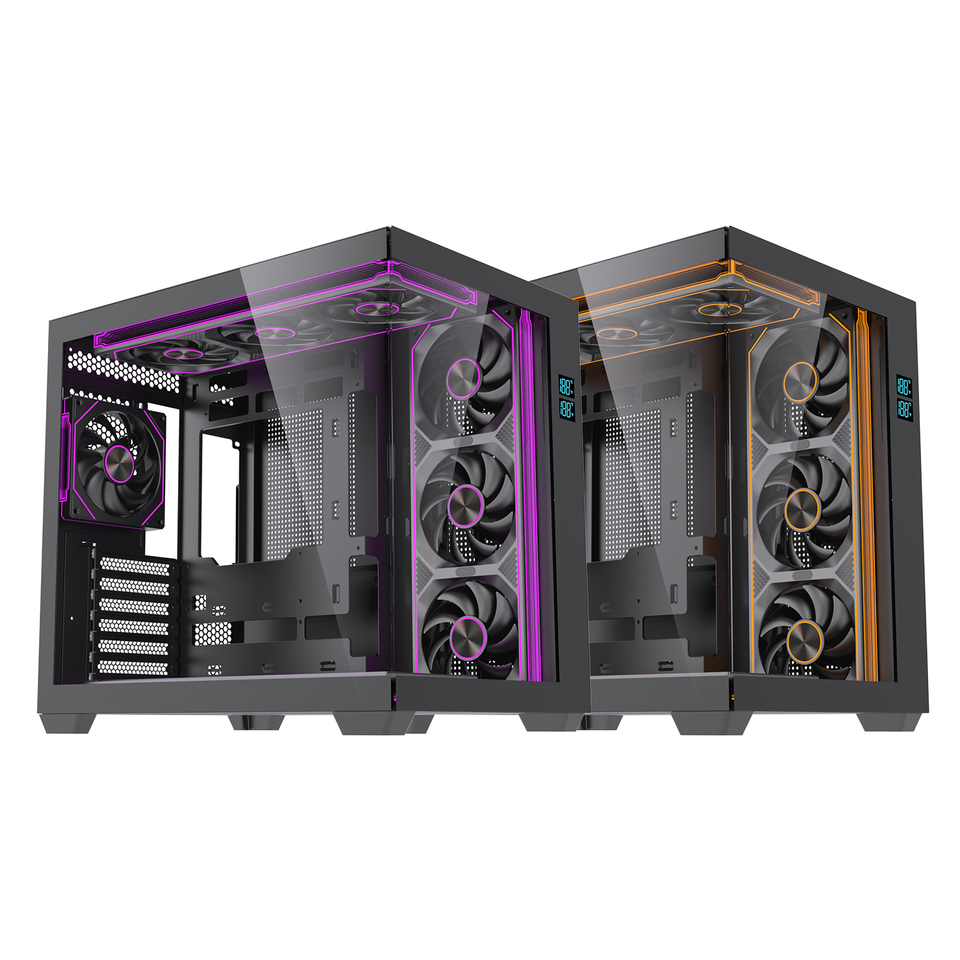
Best Fractal Design PC Cases UK 2026 4 Tested Ranked Best Fractal Design PC Cases UK 2026 4 Tested Rank F65856eb 1536x878 . Wow Worthy Builds Only The 12 Top PC Cases We Saw At CES 2026 PCMag 43.fit Lim.size . Best Gaming PC Builds For 2026 Best Gaming PC Builds For 2026.webp. The 5 Best Gaming PC Cases 2026 Which One Should You Buy YouTube . LOVINGCOOL 2026 PC Case Gaming ATX Case Oversized Side Stalinite Wide 960x960q80
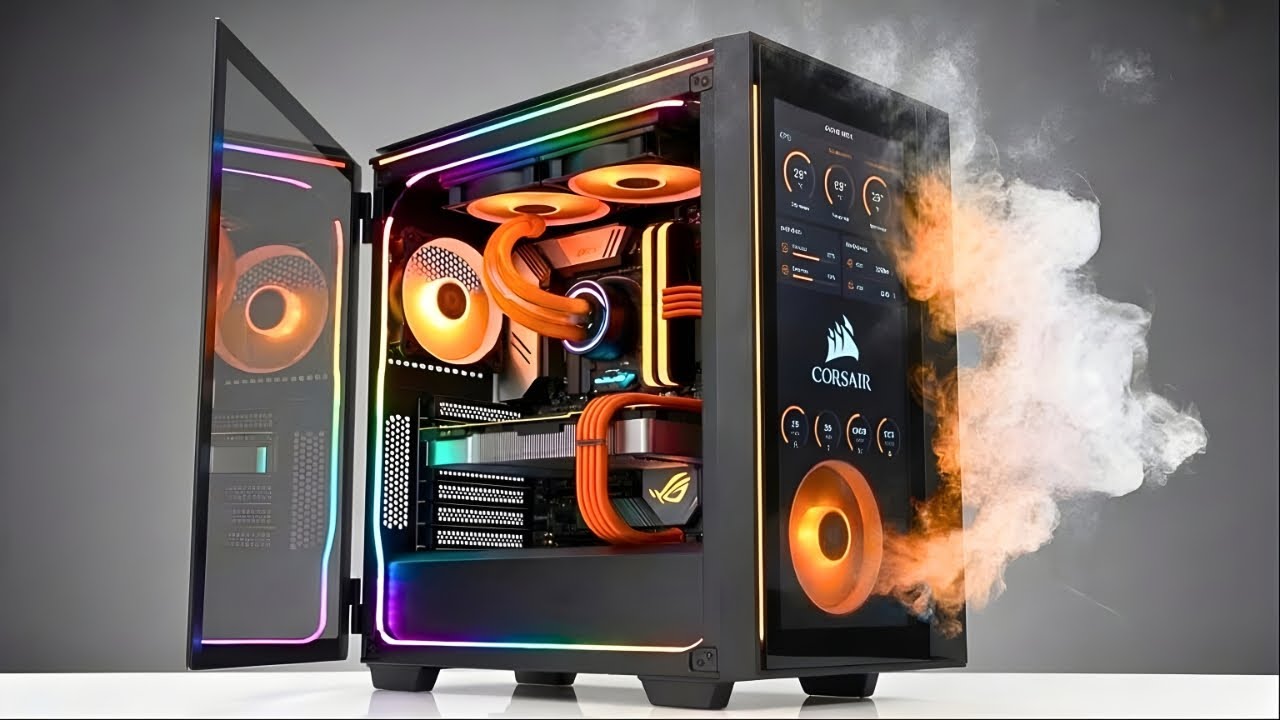
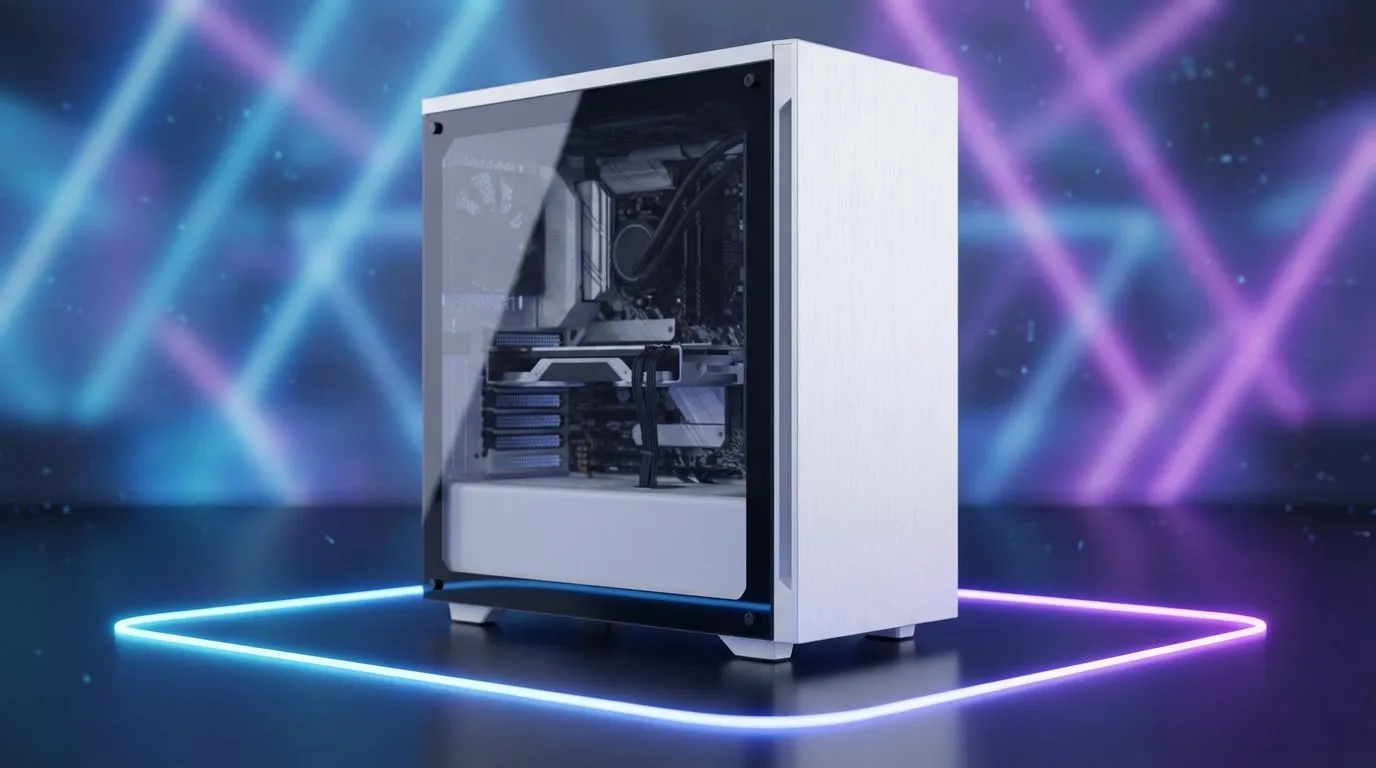


Top 6 BEST PC Cases For 2026 Top Airflow Gaming Cases YouTube . Top White PC Cases 2026 Best White Pc Case Sa 2026 Banner.webp. 5 Best PC Cases 2026 Top Airflow Gaming Cases YouTube . The 15 Best PC Cases Of 2026 What In Tech Lian Li Dynamic PC O11 . Chassis Countdown 10 Best New PC Cases From CES 2025 PCMag 11



Best PC Cases 2026 Airflow Water Cooling Gaming PC Guide Best Case For RTX 5090 In 2025 Our Top Choices . Fractal Design Era 2 ITX PC Case Review UK 2026 Build Tested Fractal Design Era 2 ITX PC Case In Midnight Blue 01d0c960 . The 10 Best Looking PC Cases In 2026 What In Tech Best Looking PC Case . The Best PC Cases For 2026 Apnx V1 56am.1920 . 12 Best PC Gaming Cases 2026 Expert Reviews Comparisons Featured Image Hk9nf2a2 300x210
Best PC Cases 2026 Our Tested Picks For Your Next Build Tom S Hardware . MSI Announces A Plethora Of New Cases Coolers And Accessories At CES . Best PC Cases 2026 Airflow Water Cooling Gaming PC Guide Best Case For RTX 5080 . The Best PC Cases In 2025 These Are The Chassis I D Use For My Next . Best Mini ITX PC Cases 2026 9meters 815bQQl3DmL


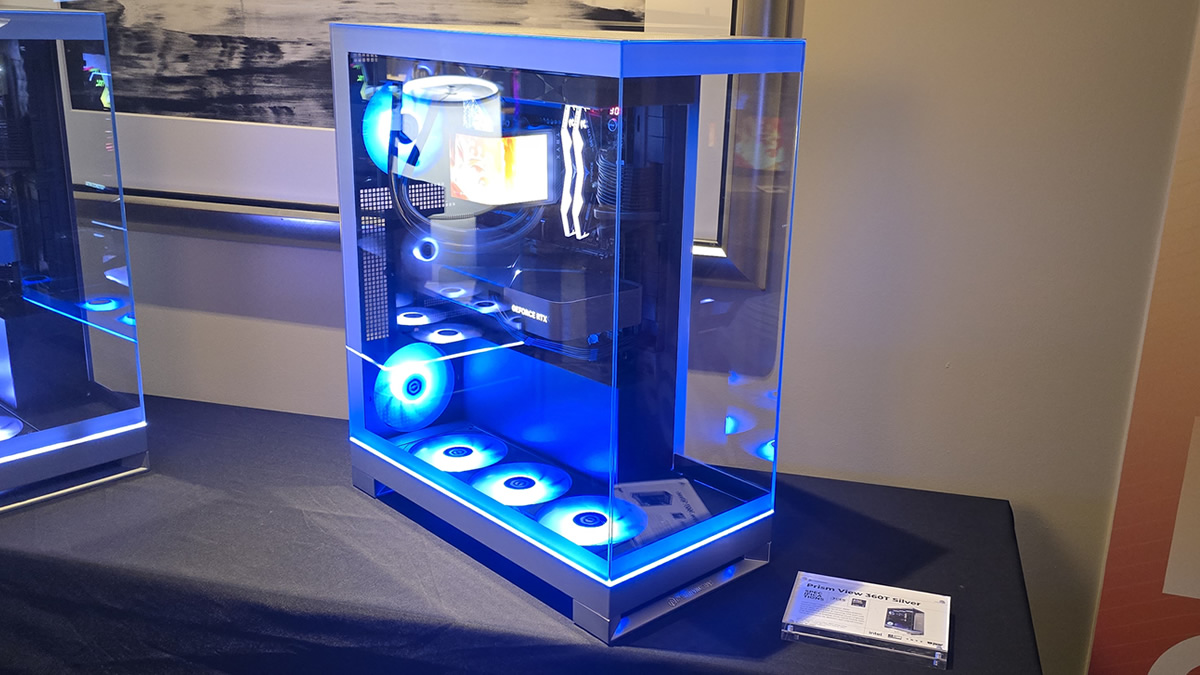
The 15 Best PC Cases Of 2026 What In Tech Best PC Cases . 5 Best PC Cases 2026 Sleek High Performance YouTube . Top 5 Best PC Cases For Gaming In 2026 Airflow Budget Aesthetics . Best PC Cases UK 2026 6 Tested Ranked By Experts Best PC Cases UK 2026 6 Tested Ranked By Experts F1bfa0a7 . Becomes The King Of Budget PC Cases At CES 2026 OC3D Prism View 360T Silver




Wow Worthy Builds Only The 12 Top PC Cases We Saw At CES 2026 Inwin Aeon 4ydd . Best Gaming Pc Cases In The UK 2026 41hBa75t3eL . Best Gaming PC Cases 2026 Airflow Aesthe Gaming PC Guru Best Cpu Coolers Rtx 5090 Builds 2026 800x500 . The 15 Best PC Cases Of 2026 What In Tech Antec Torque 2 . Best New PC Cases For 2026 Top Mid Tower Builds For Gaming And Work SL500