AreyouagamerjugglingworkfamilyandaninsatiabledesirefortoptiergamingexperiencesbutlackthespaceforamassiverigYourenotaloneTheATXminitowerisyouroptimalsolutionofferingpowerfulperformanceinacompatfootprintThisguidedivesdeepintohowtheseversatilegamingPCsdeliverwithoutcompromiseaddressingcommonconcernslikeheatmanagementandupgradeabilityWeexplorewhymoregamersarechoosingthesesleeksetupstobalancetheirpassionwithreallifeconstraintsDiscoverthelatesttrendsincopactbuildslearntooptimizeyourgamingspaceandfindtheperfectATXminitowertokeepyouaheadofthecurveandconnectedwithyoursquadwithoutbreakingthebankortakingoveryourentireroom
Related games- Guide Did You Gaming Generator Unlock Your Potential
- How to Use Robloocom Redeem for Exclusive 2026 Rewards
- Guide How To Watch Red Sox Games In 2026 Your TV Options
- Guide to Aesthetic Cool Roblox Bios Top Tips
- How to Dominate Arsenal with John Roblox Tips Guide
How to Choose the Right ATX Mini Tower Case for Your Build?
Choosing the right ATX mini tower case involves balancing aesthetics thermal performance and component compatibility. First define your budget as cases range widely. Next prioritize airflow a mesh front panel is generally superior for cooling compared to solid glass. Check for support for your chosen GPU length CPU cooler height and PSU form factor (ATX or SFX). Consider cable management features like tie-down points and space behind the motherboard tray. Finally look at aesthetics and build quality ensuring it fits your personal style and desk setup. Reviews from other gamers can offer valuable real-world insights into potential quirks or benefits.
What Motherboard Form Factors Are Compatible with ATX Mini Towers?
Most ATX mini towers are designed to accommodate standard ATX motherboards which is a major advantage for expandability. However many also support smaller Micro-ATX mATX and Mini-ITX mITX motherboards. This flexibility allows builders to choose a board based on their specific needs for PCIe slots RAM capacity and port selection. While an ATX board offers the most features a Micro-ATX board might be easier to work with in a very compact case offering a good balance of features and reduced size. Always verify the specific case compatibility list before purchasing your motherboard.
Can I Fit a Full-Size Graphics Card in an ATX Mini Tower?
Yes you absolutely can fit a full-size graphics card in many ATX mini tower cases! This is one of their key selling points over much smaller Mini-ITX builds. However it's crucial to check the maximum GPU length specified by the case manufacturer. Some longer flagship cards might be a tight squeeze or simply not fit. Modern ATX mini towers are increasingly designed to accommodate high-end triple-fan GPUs making them excellent choices for powerful gaming rigs. Pay attention to width too as some particularly chunky GPUs might interfere with side panels or cable routing.
What Power Supply Unit PSU Size is Best for a Compact ATX Build?
For an ATX mini tower the best PSU size depends on the specific case design. Many ATX mini towers can still fit a standard ATX power supply but some more aggressively compact models might require an SFX or SFX-L power supply. SFX PSUs are much smaller and are often preferred in compact builds as they free up valuable internal space for airflow and cable management. Always verify the case's PSU compatibility in its specifications. Opt for a modular PSU regardless of size to reduce cable clutter and improve airflow within the confined space.
Are Liquid Cooling Solutions Viable in ATX Mini Tower Cases?
Yes All-in-One AIO liquid cooling solutions are not only viable but often highly recommended for CPUs in ATX mini tower cases. AIOs excel at moving heat directly out of the case via a radiator and fans which is ideal for compact environments where internal airflow can be challenging. Most ATX mini towers will support a 240mm or 280mm AIO radiator mounted either at the front or top of the case. Always check the case specifications for radiator support and clearance before purchasing. Custom open-loop liquid cooling however is usually too complex and space-intensive for these compact builds.
What are the Best Cable Management Strategies for Small Cases?
Effective cable management is paramount in an ATX mini tower to optimize airflow and aesthetics. Start by using a modular power supply to minimize unused cables. Route essential cables CPU power GPU power motherboard 24-pin behind the motherboard tray if your case has space. Utilize included Velcro straps or zip ties to bundle cables neatly. Plan your cable runs before installing all components to avoid obstructions. For fans and RGB use hubs to consolidate connections. Even small improvements in cable tidiness can significantly impact internal temperatures and the overall look of your compact build.
How to Optimize an ATX Mini Tower for Quieter Operation?
To optimize an ATX mini tower for quieter operation focus on component selection and fan control. Choose high-quality fans that offer a good balance of airflow and low noise levels. Use a larger CPU cooler either a good air cooler or an AIO as they often run quieter than stock coolers. Set up custom fan curves in your motherboard BIOS or using software to only spin fans up when necessary allowing them to remain at low RPMs during light loads. Ensure all cables are tucked away to prevent interference with fan blades. Cases with sound dampening materials can also help reduce overall system noise.
Hey fellow gamers! Ever feel like your gaming passion is battling it out with your living space your job or even family time? You are definitely not alone. Many of us adults average around 36 years old with about 60% of us being avid gamers find ourselves in that sweet spot where we crave immersive gaming experiences but cant always justify a massive PC rig taking over the whole room. We want relaxation fun skill-building and social play but also performance optimization and value for money without falling for every new hype cycle.
This month youre likely seeing the buzz around compact yet powerful setups and thats where the ATX mini tower shines. Its a game changer for those who refuse to compromise on performance but need a PC that fits their reality. Whether youre battling foes in the latest AAA title unwinding with friends in a cozy co-op game or diving into the competitive esports scene an ATX mini tower can be the powerful compact solution youve been searching for. This guide will help you navigate the world of compact gaming showing you how to get maximum performance in a minimal footprint solving those common pain points like space constraints hardware upgrades on a budget and maintaining peak performance even with limited build room. Lets dive in and build a rig that works as hard as you do and lets you play even harder.
What Exactly is an ATX Mini Tower and Why Should Gamers Care?
An ATX mini tower is a PC case designed to house standard ATX motherboards but in a more compact vertical form factor than a traditional mid or full tower. Think of it as a cleverly engineered box that maximizes internal space efficiency allowing for powerful components while taking up less desk real estate. For gamers this means you can often fit high-end graphics cards robust CPUs and ample RAM without needing a gargantuan chassis. This is particularly appealing for the 87 percent of US gamers who play regularly often spending 10 plus hours a week and need a setup that fits their dynamic lives.
Why should you care? Primarily it offers a fantastic balance of size and expandability. Unlike smaller Mini-ITX builds which have significant limitations on component size and upgrade paths ATX mini towers give you more flexibility. You can usually install a full-size ATX motherboard meaning access to more PCIe slots for future upgrades or capture cards multiple RAM slots and a wider range of CPU compatibility. Its about getting big gaming performance without the big footprint making it perfect for apartments dorms or multi-use home offices.
Can an ATX Mini Tower Truly Deliver High-End Gaming Performance?
Absolutely yes! The term mini might suggest compromise but modern ATX mini tower cases and components are engineered to deliver robust performance. You can comfortably house powerful CPUs like the latest Intel Core i7 or AMD Ryzen 7 and full-length high-end graphics cards such as the RTX 4080 or RX 7900 XT. The key is smart component selection and efficient cooling solutions.
Todays gaming trends including demanding titles and social co-op experiences like Palworld or the continued popularity of Valorant require significant horsepower. An ATX mini tower with a well-chosen CPU GPU and sufficient RAM (16GB or 32GB is the sweet spot for many gamers) can easily handle 1440p gaming at high refresh rates or even 4K gaming depending on your specific hardware choices. Many gamers are finding that these compact builds provide all the performance they need to enjoy the latest releases and engage in social play without any noticeable disadvantage compared to larger rigs.
What Are the Biggest Challenges When Building or Buying an ATX Mini Tower?
While ATX mini towers offer many advantages they do present a few unique challenges that builders and buyers should be aware of. The primary concerns revolve around space thermal management and future upgrade potential.
- Limited internal space: This can make cable management tricky and sometimes requires careful planning for component installation. Bigger hands might find it a bit fiddly.
- Airflow and heat: With less volume for air to circulate efficiently heat can build up quickly. This necessitates choosing components that run cooler or investing in high-quality fans and possibly liquid cooling to maintain optimal temperatures especially during long gaming sessions. Performance throttling due to heat is a real concern if not properly addressed.
- Component compatibility: While more flexible than Mini-ITX some oversized coolers or very long graphics cards might not fit. Always check the case specifications for maximum CPU cooler height and GPU length.
- Upgrade path: While generally good for ATX boards adding multiple large storage drives or several PCIe cards might be constrained by space and power supply limitations. Plan your build with your future needs in mind.
How Do I Ensure Good Airflow and Cooling in a Compact ATX Mini Tower?
Effective cooling is crucial for any gaming PC but even more so for an ATX mini tower. Its about creating an optimal path for cool air to enter and hot air to exit. Heres how to ace it:
- Intake and Exhaust Fans: Aim for a positive air pressure setup meaning more air is pushed into the case than pulled out. This helps prevent dust buildup. Typically two front intake fans and one rear exhaust fan is a good starting point. Many modern cases also support top exhaust fans.
- Fan Quality and Placement: Invest in high-static pressure fans for intake to push air through restrictive areas and high-airflow fans for exhaust. Position them strategically to create a clear airflow path from front to back or bottom to top.
- CPU Cooling: For powerful CPUs a good air cooler (like a Noctua NH-D15S or be quiet! Dark Rock Pro 4 if it fits) or a 240mm or 280mm All-in-One AIO liquid cooler (if the case supports it) is highly recommended. AIOs can be particularly effective in compact cases as they move heat directly out of the case via radiators.
- Cable Management: Tidy cables dont just look good they improve airflow. Use zip ties or Velcro straps to bundle cables out of the way ensuring they dont obstruct fan blades or block pathways for air. Many ATX mini towers offer dedicated cable routing channels behind the motherboard tray.
What Components Should I Prioritize for an ATX Mini Tower Gaming PC?
When building an ATX mini tower prioritizing certain components can make all the difference in performance and overall satisfaction. For gamers who juggle work and life making smart choices upfront saves time and money later.
- Graphics Card GPU: This is your primary gaming engine. Allocate the largest portion of your budget here. Choose the most powerful GPU that fits your case and budget, like an NVIDIA RTX 4070 Super or an AMD Radeon RX 7800 XT for excellent 1440p performance. Always double check its length against your case's maximum GPU clearance.
- Processor CPU: Pair your GPU with a capable CPU that wont bottleneck it. An Intel Core i5 or AMD Ryzen 5 is often sufficient for pure gaming. For multitasking streaming or content creation consider an i7 or Ryzen 7. Ensure your CPU cooler fits the case's height limit.
- Storage: An NVMe SSD is non-negotiable for your operating system and frequently played games. It drastically reduces load times. A 1TB or 2TB NVMe SSD is a good starting point. For larger game libraries or media, consider adding a secondary SATA SSD.
- Power Supply Unit PSU: Choose a high-quality modular PSU with enough wattage to power all your components comfortably, plus a little headroom for future upgrades. An 80 Plus Gold rating is a good efficiency benchmark. SFX or SFX-L PSUs are ideal for very compact cases, but some ATX mini towers can accommodate standard ATX PSUs.
Are ATX Mini Towers Budget-Friendly for Gamers on a Budget?
Yes ATX mini towers can definitely be budget-friendly and offer excellent value for money. While some premium compact cases exist there are many affordable options that dont skimp on features or build quality. The key is strategic planning and component selection.
- Case Choice: Many manufacturers offer quality ATX mini tower cases in the $70-$120 range that provide good airflow and reasonable aesthetics. Look for cases with included fans to save a few bucks initially.
- Component Scaling: You dont need the absolute top-tier CPU or GPU to have an amazing gaming experience. Mid-range components like an AMD Ryzen 5 7600 or an NVIDIA RTX 4060 Ti offer fantastic performance for their price, easily handling most popular titles and social games that US gamers are playing this month. This approach allows for a powerful yet budget-conscious build.
- Secondhand Market: For gamers comfortable with it exploring the secondhand market for previous-generation GPUs or CPUs can yield significant savings. Just ensure you buy from reputable sellers and test components thoroughly.
- Sales and Bundles: Keep an eye out for sales events and CPU-motherboard-RAM bundles from major retailers. These can offer substantial discounts and help stretch your budget further.
How Does an ATX Mini Tower Fit Into a Gamer's Busy Lifestyle?
For gamers balancing jobs families and life an ATX mini tower is often the perfect companion. Its designed with practicality in mind addressing several common pain points:
- Space Saving: No more sacrificing precious desk space or living room real estate for a monstrous rig. Its compact footprint means your gaming setup can blend seamlessly into your home environment. This is a huge plus for apartment dwellers or those with dedicated home offices.
- Portability Potential: While not truly portable like a laptop some ATX mini towers are compact enough to be easily moved for LAN parties or when rearranging your setup. Its significantly easier to transport than a full-size tower.
- Stealthy Power: It delivers high-performance gaming without screaming look at me. This subtle power allows you to enjoy your escape into virtual worlds or connect with friends on Discord without a giant glowing beacon dominating your space.
- Focus on Essentials: The constraints of a compact build often encourage more thoughtful component selection leading to a more efficient and less wasteful setup. You choose what you truly need for performance not just what fits a large case.
What Are the Best Games to Play on an ATX Mini Tower Setup This Month?
An ATX mini tower with a solid mid-to-high-tier build is perfectly capable of running all the hottest titles and ongoing favorites this month. Heres a mix of popular games that are great for unwinding socializing or challenging your skills:
- Social and Cozy Games: Palworld, Helldivers 2, and Phasmophobia are excellent for social play with friends. They often benefit from solid CPU performance and consistent frame rates that a well-built ATX mini tower can provide.
- Competitive Esports: Games like Valorant, Counter-Strike 2, and League of Legends are perennial favorites. An ATX mini tower can easily push the high frame rates needed for competitive play on high refresh rate monitors.
- AAA Blockbusters: Dive into demanding single-player experiences like Cyberpunk 2077 Phantom Liberty, Alan Wake 2, or Baldurs Gate 3. While some settings might need tweaking for ultra-high resolutions a strong GPU in your mini tower will deliver breathtaking visuals and smooth gameplay.
- Free-to-Play Favorites: Fortnite, Apex Legends, and Call of Duty Warzone continue to dominate. Your ATX mini tower will handle these F2P titles with ease allowing you to jump into action without performance worries.
Is Upgrading an ATX Mini Tower as Easy as a Full-Size PC?
Upgrading an ATX mini tower can be slightly more involved than a full-size PC but it is certainly doable and often quite straightforward with proper planning. The main difference lies in the reduced working space.
- Planning is Key: Before purchasing an upgrade always check the physical dimensions of the new component against your case's specifications. Will that new GPU fit? Is there enough clearance for a larger CPU cooler?
- Component Accessibility: Modern ATX mini towers are often designed with removable panels and smart layouts to improve access to key components like the GPU CPU and storage drives. However, you might need to remove a few more components than in a larger case to reach what you need.
- Cable Rerouting: Swapping out a PSU or adding new drives might require some rerouting of cables. Keeping your initial cable management tidy will pay off during upgrades.
- Thermal Headroom: When upgrading to more powerful components remember that they often generate more heat. Ensure your cooling system can handle the increased thermal load. You might need to upgrade your fans or consider a better CPU cooler along with your primary component upgrade.
FAQ Section
What is the difference between a Micro-ATX and an ATX mini tower?
A Micro-ATX case is designed specifically for Micro-ATX motherboards which are smaller than standard ATX boards. An ATX mini tower on the other hand can still house a full-size ATX motherboard despite its compact case size offering more expandability than a true Micro-ATX system while maintaining a smaller footprint than a mid-tower.
Can I put any ATX power supply in an ATX mini tower?
While many ATX mini towers can accommodate standard ATX power supplies some of the more compact designs might require an SFX or SFX-L form factor PSU due to length restrictions. Always check the case specifications carefully to ensure compatibility and leave enough room for cable management.
How important is tempered glass in an ATX mini tower?
Tempered glass panels are primarily aesthetic allowing you to show off your build. While they look great they can sometimes slightly restrict airflow compared to mesh panels. For maximum cooling performance especially in a compact case a mesh front panel is often preferred but a good internal fan setup can mitigate the heat impact of tempered glass.
Are ATX mini towers louder than larger PCs due to smaller fans?
Not necessarily. While smaller fans might need to spin faster to move the same amount of air modern ATX mini towers often use high-quality larger fans that run quietly. Effective cable management and well-chosen CPU coolers also contribute to a quieter system. Focus on component quality not just size for noise reduction.
Can I build a custom water cooling loop in an ATX mini tower?
Building a full custom water cooling loop in an ATX mini tower is highly challenging and generally not recommended for most users due to extremely limited space for radiators pumps and reservoirs. All-in-One AIO liquid coolers which are self-contained units are a far more practical and popular solution for CPU cooling in compact builds.
So there you have it the ATX mini tower is more than just a small case its a powerhouse solution for gamers who demand performance without the bulk. Whether youre a busy professional a dedicated parent or someone who simply values a clean desk setup these compact rigs are designed to fit your life and your gaming needs. You can build a system that conquers the latest titles connects you with friends and allows you to unwind and sharpen your skills all without compromise.
What is your biggest gaming challenge when it comes to balancing life and play? Comment below and let us know!
Compact powerful gaming PCs Space saving design for busy gamers Excellent for balancing performance with life constraints Potential airflow and upgrade considerations Ideal for smaller setups and apartment living Budget friendly options available
35
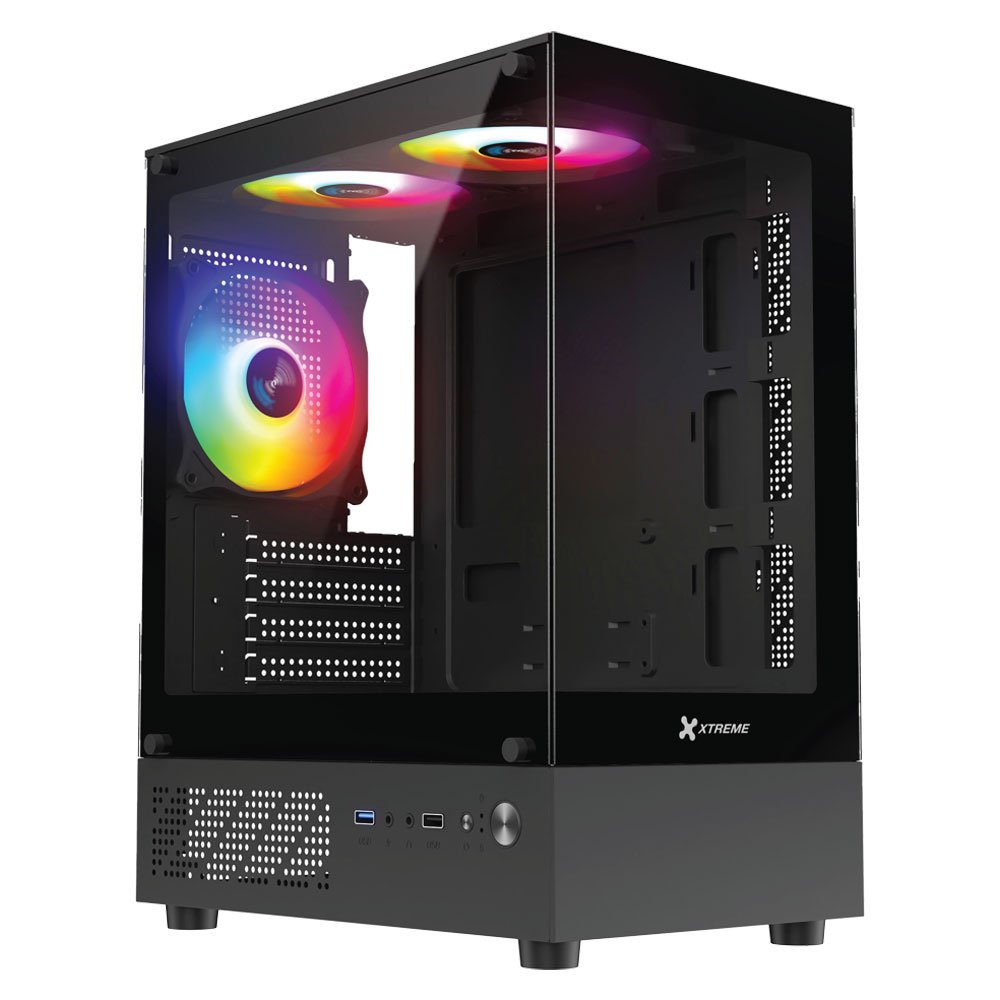
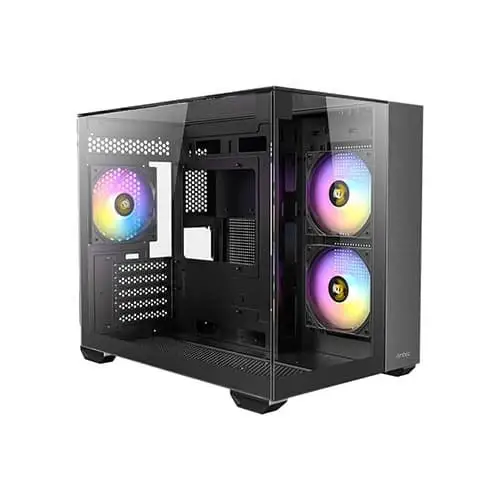


JONSBO JONSPLUS Z20 Black Micro ATX Mini Tower PC Case With Detachable 815Yv9xOFUL . XTREME M95B MINI TOWER M ATX BLACK CASE TEMPERED GLASS WITH 3 ARGB FAN M95B MINI TOWER M ATX BLACK CASE . Antec CX600M Trio ARGB M ATX Mini Tower Cabinet Antec CX600M Trio ARGB M ATX Mini Tower Case 01.webp. JONSBO TK 1 White Micro ATX Mini Tower Computer CASE Hyperboloid Glass AC SL1500 . Best Small ATX Cases 2026 Expert Reviews Comparisons Best Small ATX Cases
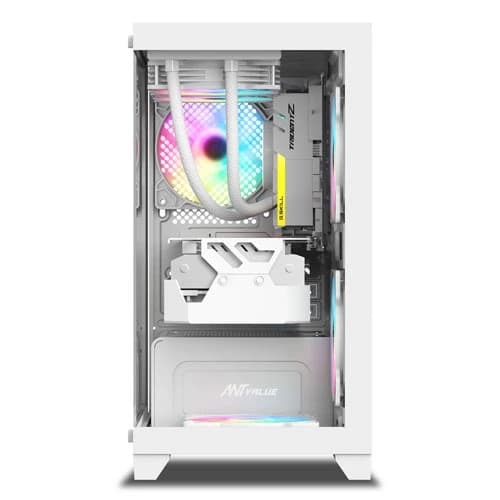
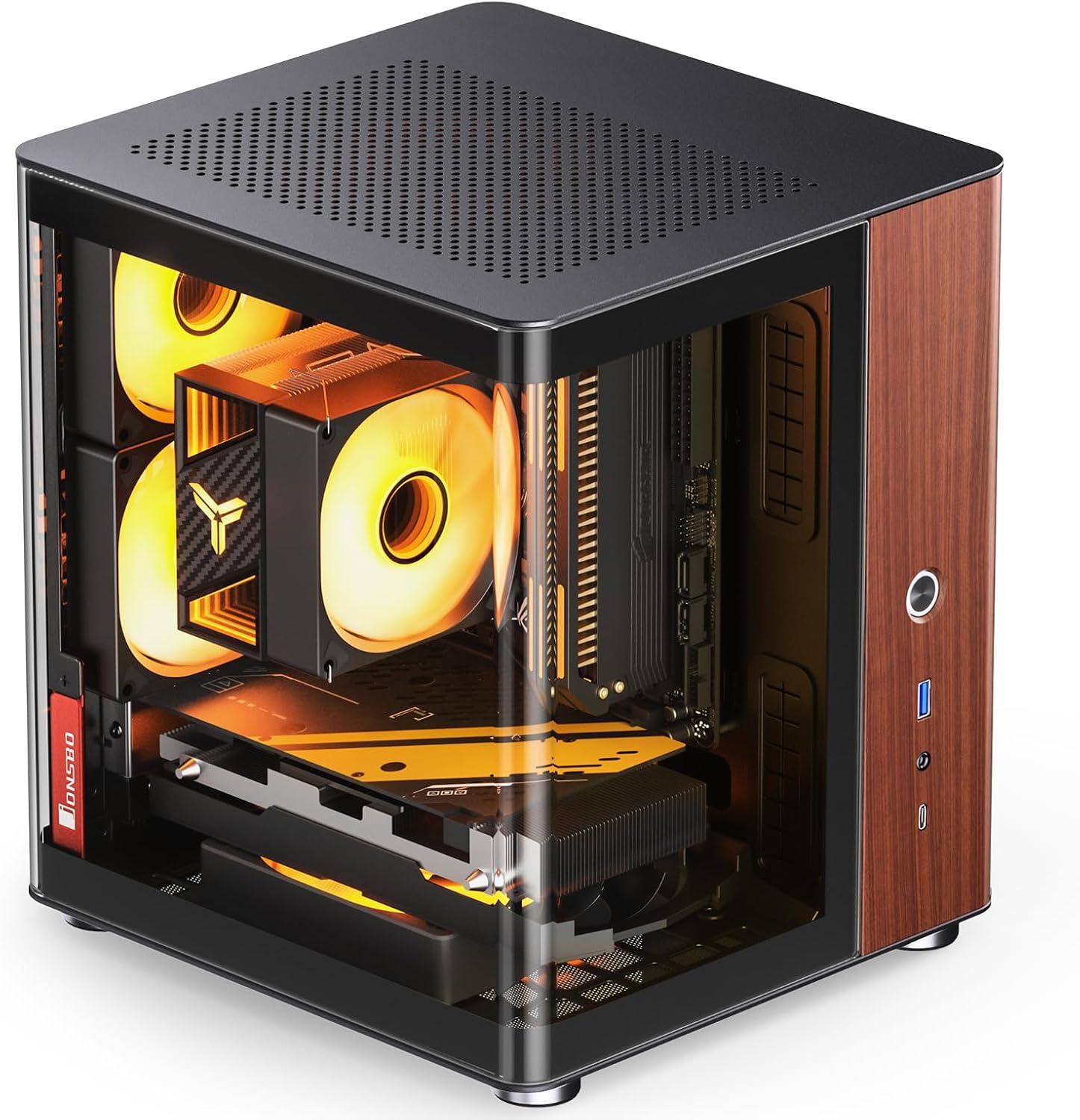

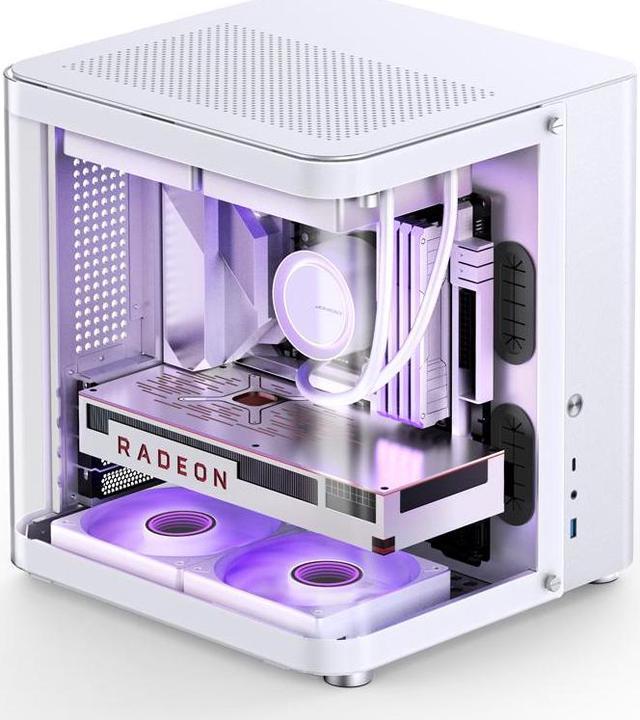

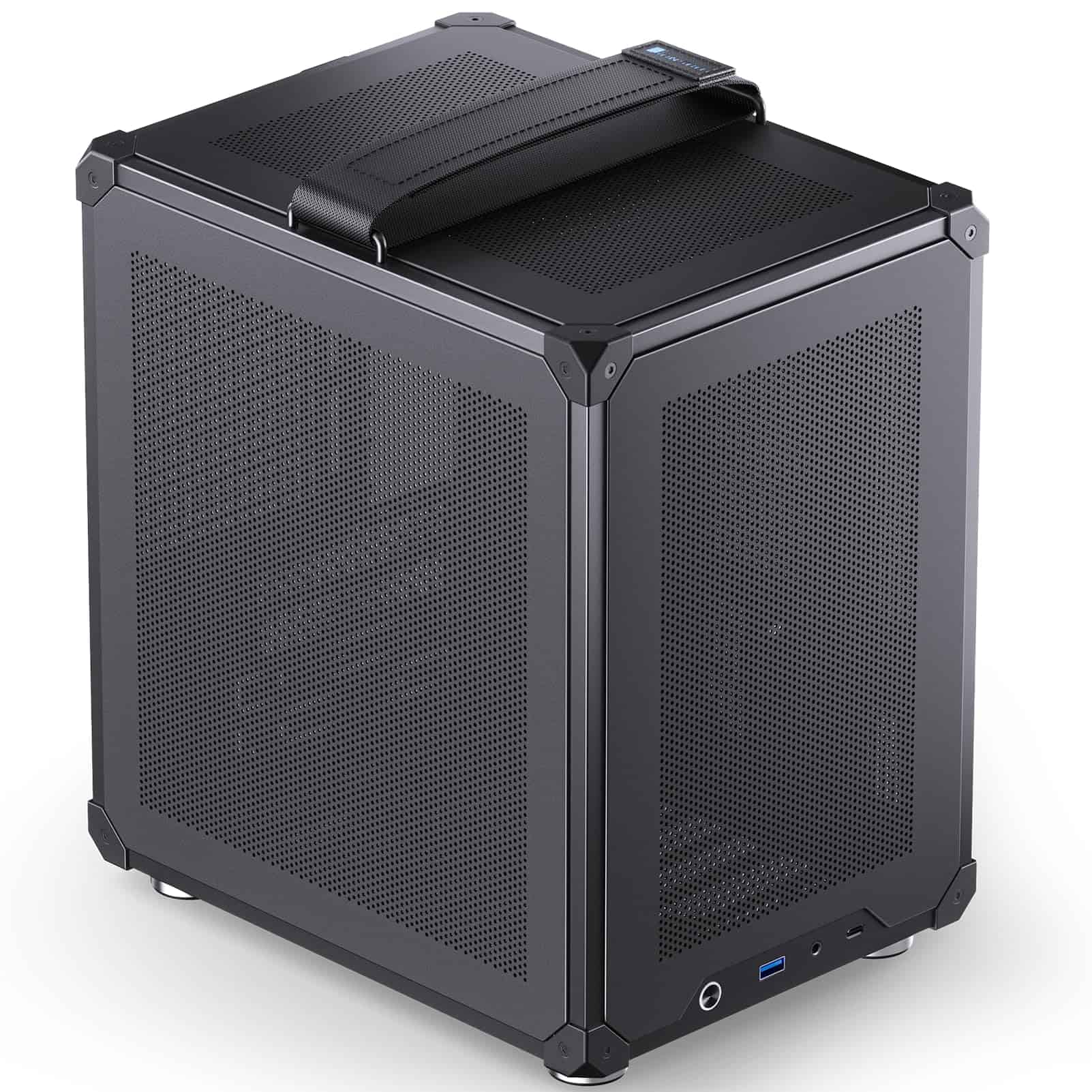
Buy Ant Value CV200 White M ATX Mini Tower Case At Best Price Online At Ant Value CV200 White M ATX Mini Tower Case 2 . JONSBO Z20 Black Micro ATX Mini Tower Performance . The 10 Best Horizontal Atx Case 2026 Review AC SL1500 . JONSBO TK 1 WHITE V 2 0 Micro ATX Mini Tower Computer CASE Hyperboloid . Jonsbo Z20 Micro ATX Mini Tower With Detachable Carrying Handle AC SL1500


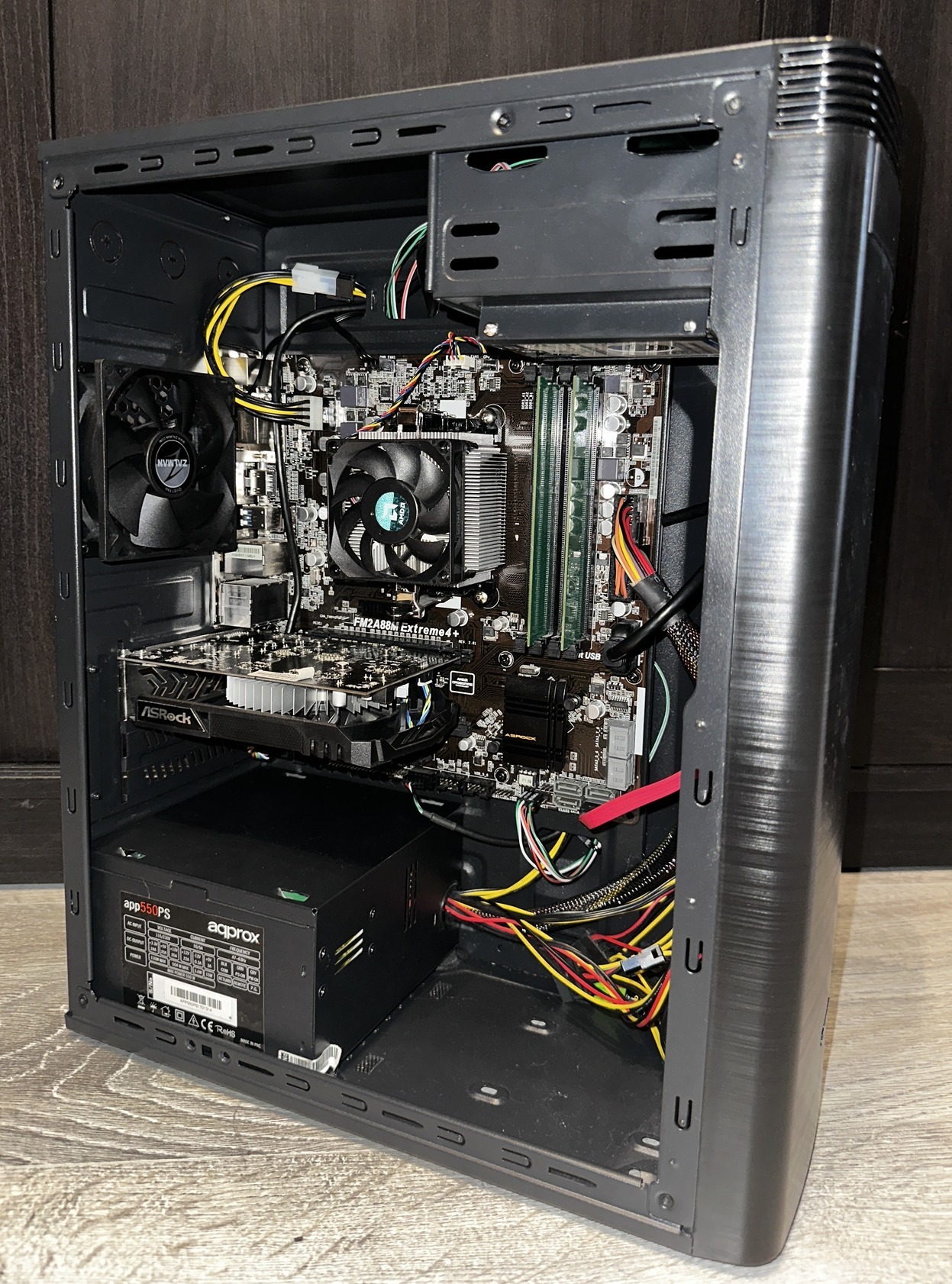

ATX Micro ATX Or Mini ITX Choosing The Right Motherboard Form Factor 9.4 1024x572 . Antec NX200M Tempered Glass RGB Micro ATX Mini Tower Gaming Case Antec Nx200m Tempered Glass Rgb Microatx Mini Tower Gaming Case Black Ac61164 90915 . Zalman T5 Micro ATX Mini Tower H Z Patika Llapotban Elad HardverApr Approx 550ps Es T5 Zalman . Best Mini ITX PC Cases 2026 9meters 815bQQl3DmL . ATX Vs Micro ATX Vs Mini ITX The Motherboard Form Factor Guide For 3.5 1024x572
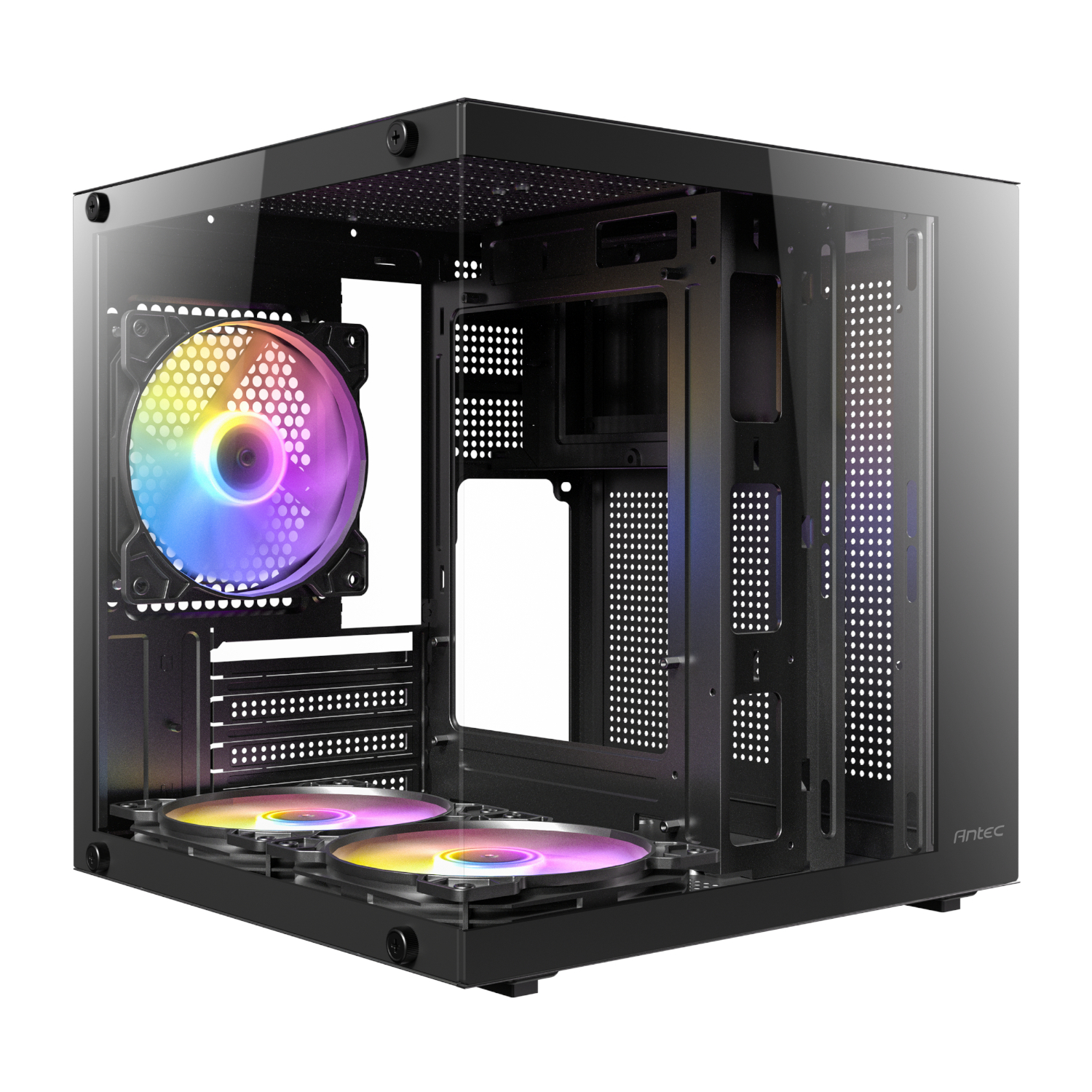
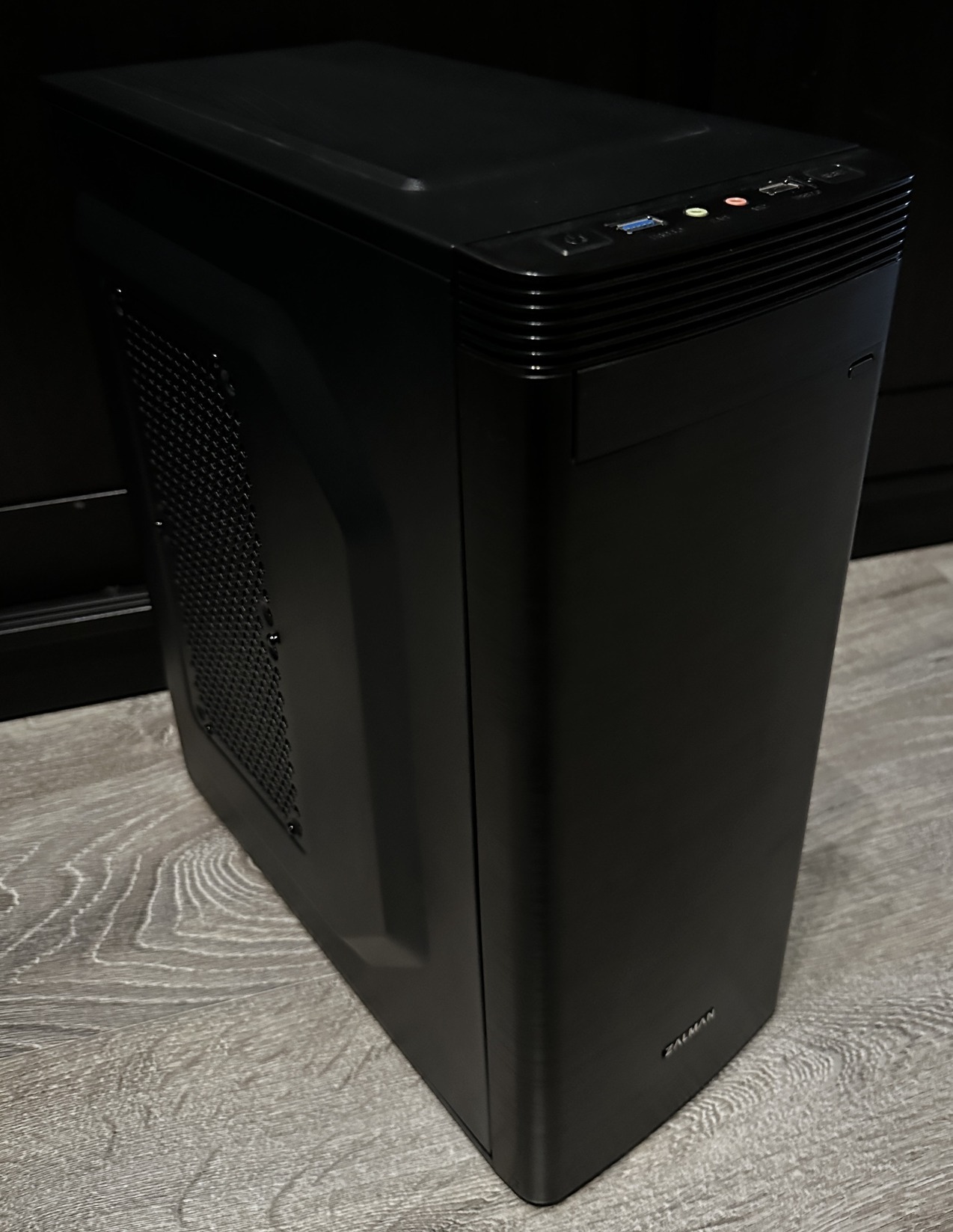


Antec VCX10M RGB Micro ATX ITX Mini Tower Gaming Chassis Black VCX10M RGB Antec VCX10M RGB M ATX Mini Tower Gaming Chassis Wr 01 . Zalman T5 Micro ATX Mini Tower H Z Patika Llapotban Elad HardverApr T5 Zalman . Antec CX200M Elite Micro ATX ITX RGB Mini Tower Gaming Chassis Black Black1 . Amazon Com SAMA 2851M MATX Case Mid Tower Computer Case With 4 ARGB 81 HabVEirL. AC . Antec CX500M Basic Micro ATX ITX Mini Tower Gaming Chassis Black CX500M B Wr 01

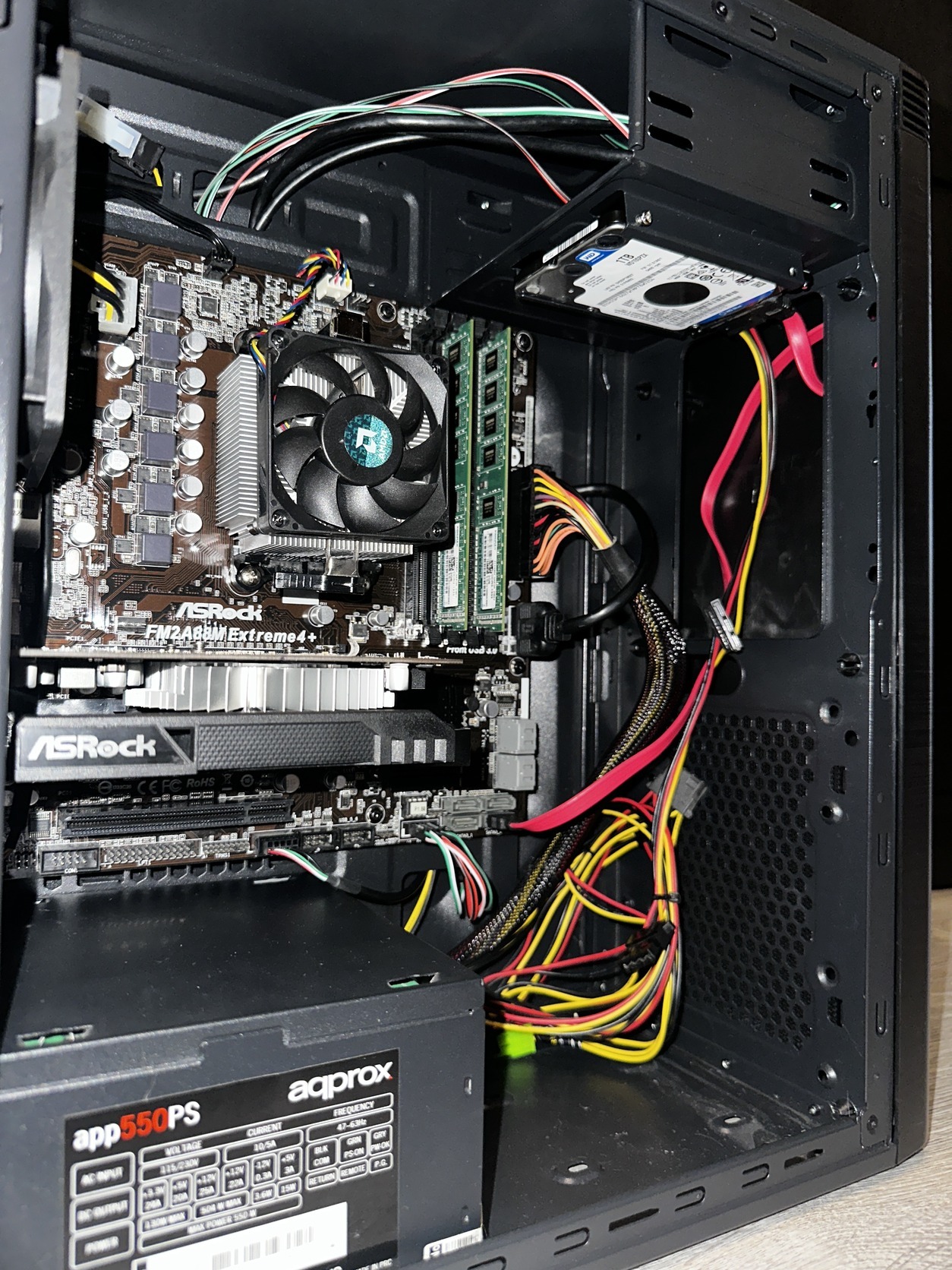


Zebronics Mini Tower ATX Cabinet Micro ATX Motherboard Size 2x USB 2 Zebronics Atx Cabinet 1000x1000 . Zalman T5 Micro ATX Mini Tower H Z Patika Llapotban Elad HardverApr T5 Zalman1 Es Approx 550ps . Antec CX200M Elite Micro ATX ITX RGB Mini Tower Gaming Chassis Black Black3 . Top 5 Best Micro ATX Cases 2025 YouTube . Antec CX200M Elite Micro ATX ITX RGB Mini Tower Gaming Chassis Black Black4


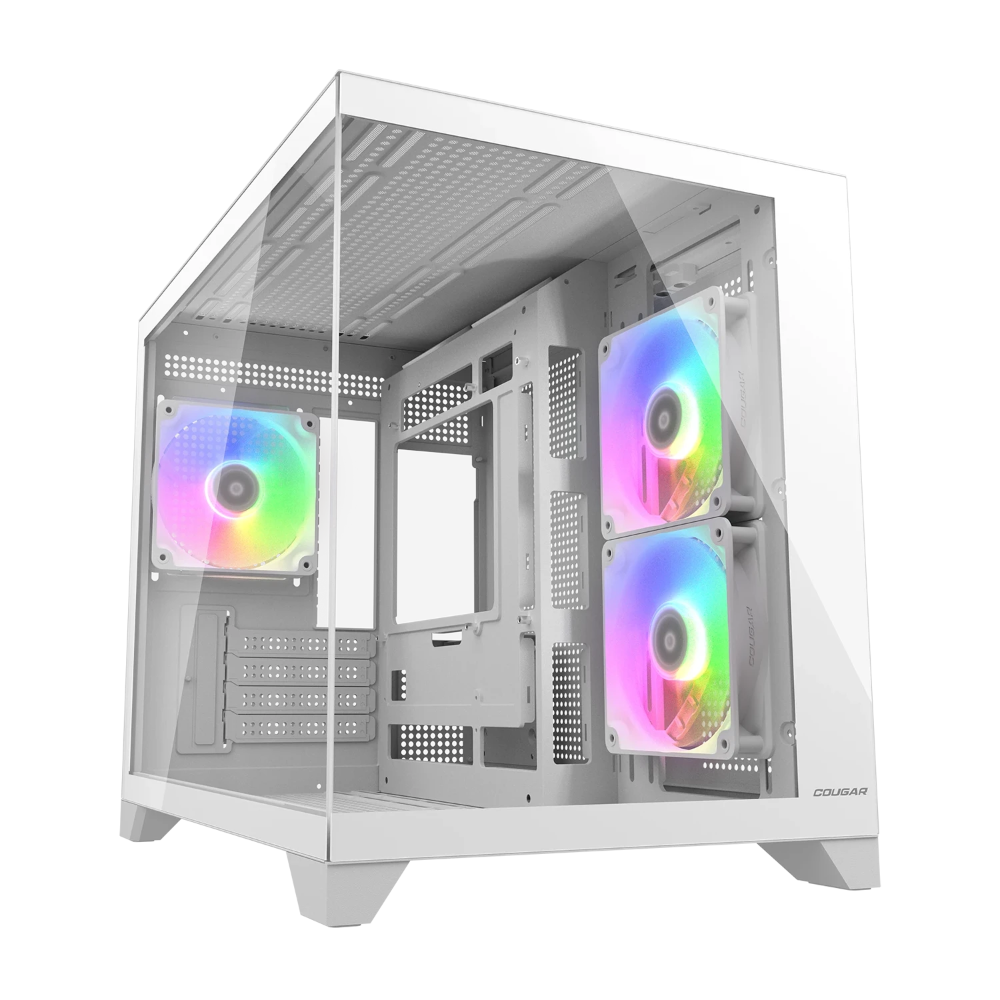
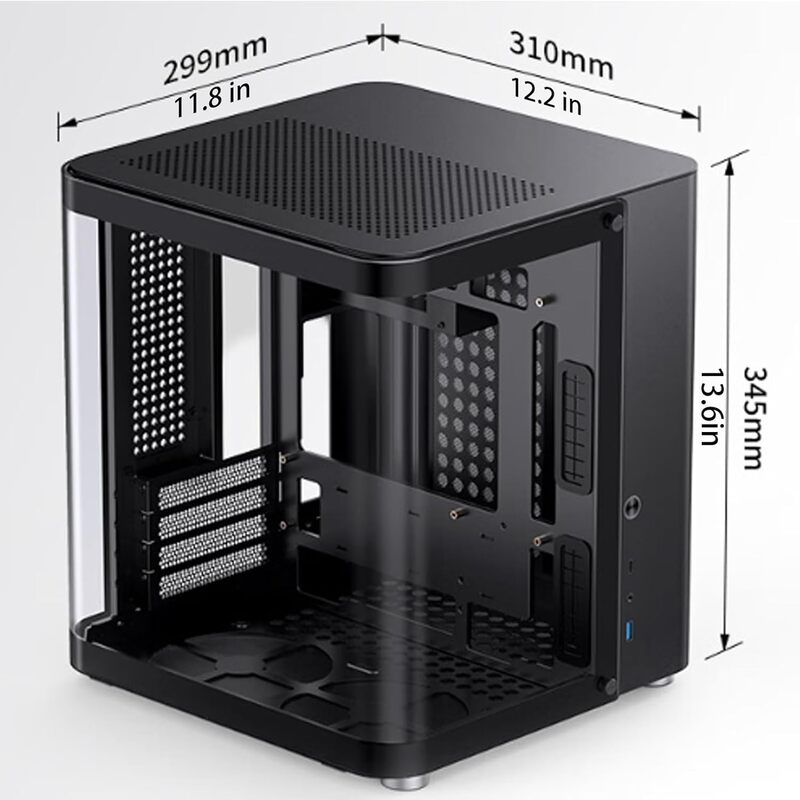
Antec CX200M Elite Micro ATX ITX RGB Mini Tower Gaming Chassis Black Black5 . ATX Vs Micro ATX Vs Mini ITX The Motherboard Form Factor Guide For 3.3 1024x572 . Value Top VT V200H Mini Tower Micro ATX Casing Price In BD Value Top Vt V200h Mini Tower Micro Atx Black 31688809772 550x550 . COUGAR FV150 MINI RGB Micro ATX Mini Tower PC Case Cougar Fv150 Mini Rgb Micro Atx Mini Tower Pc Case Wh 1 Techarc.pk .webp. JONSBO TK 1 Black Micro ATX Mini Tower Computer CASE Hyperboloid AC SL1500 1
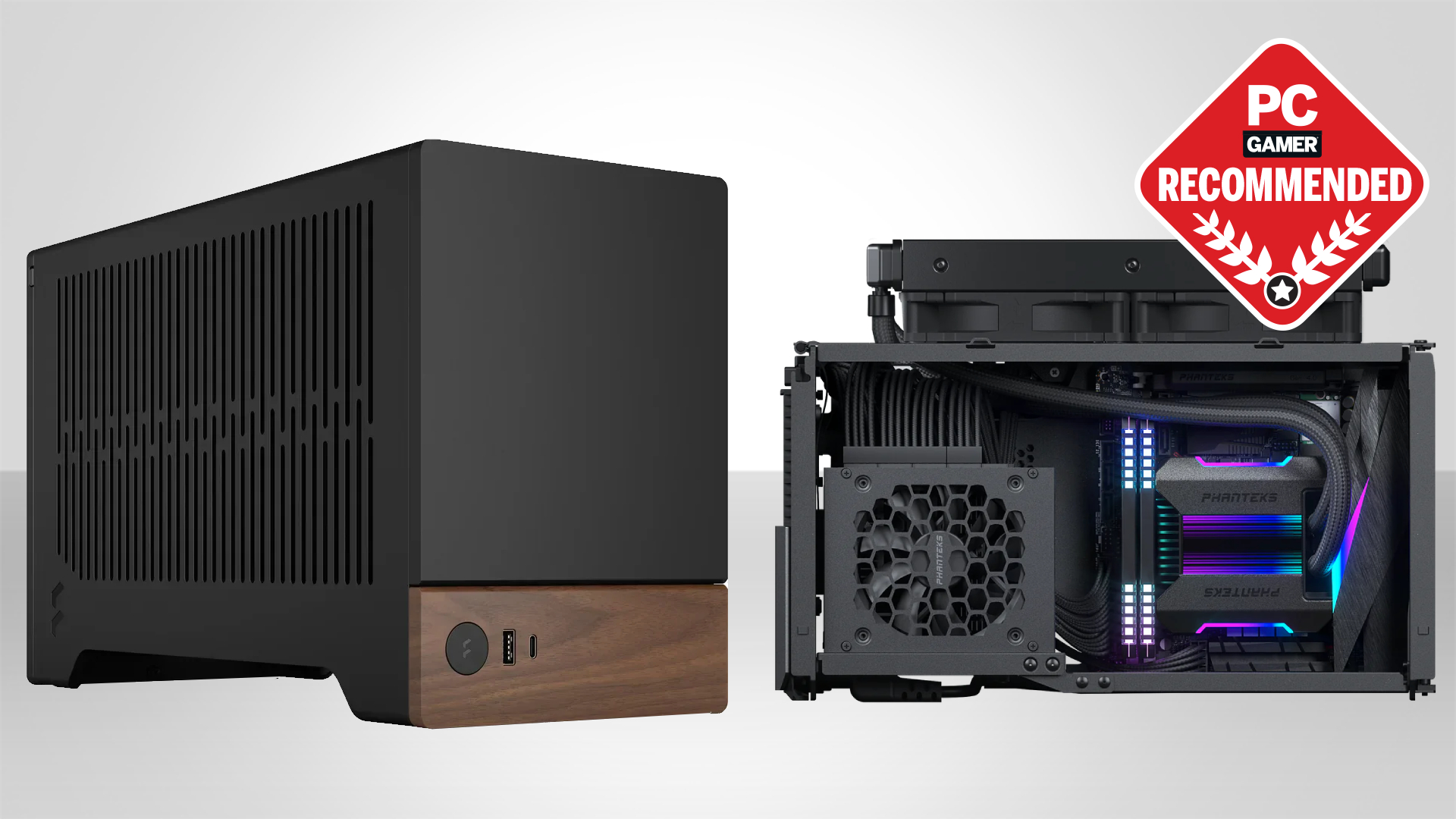
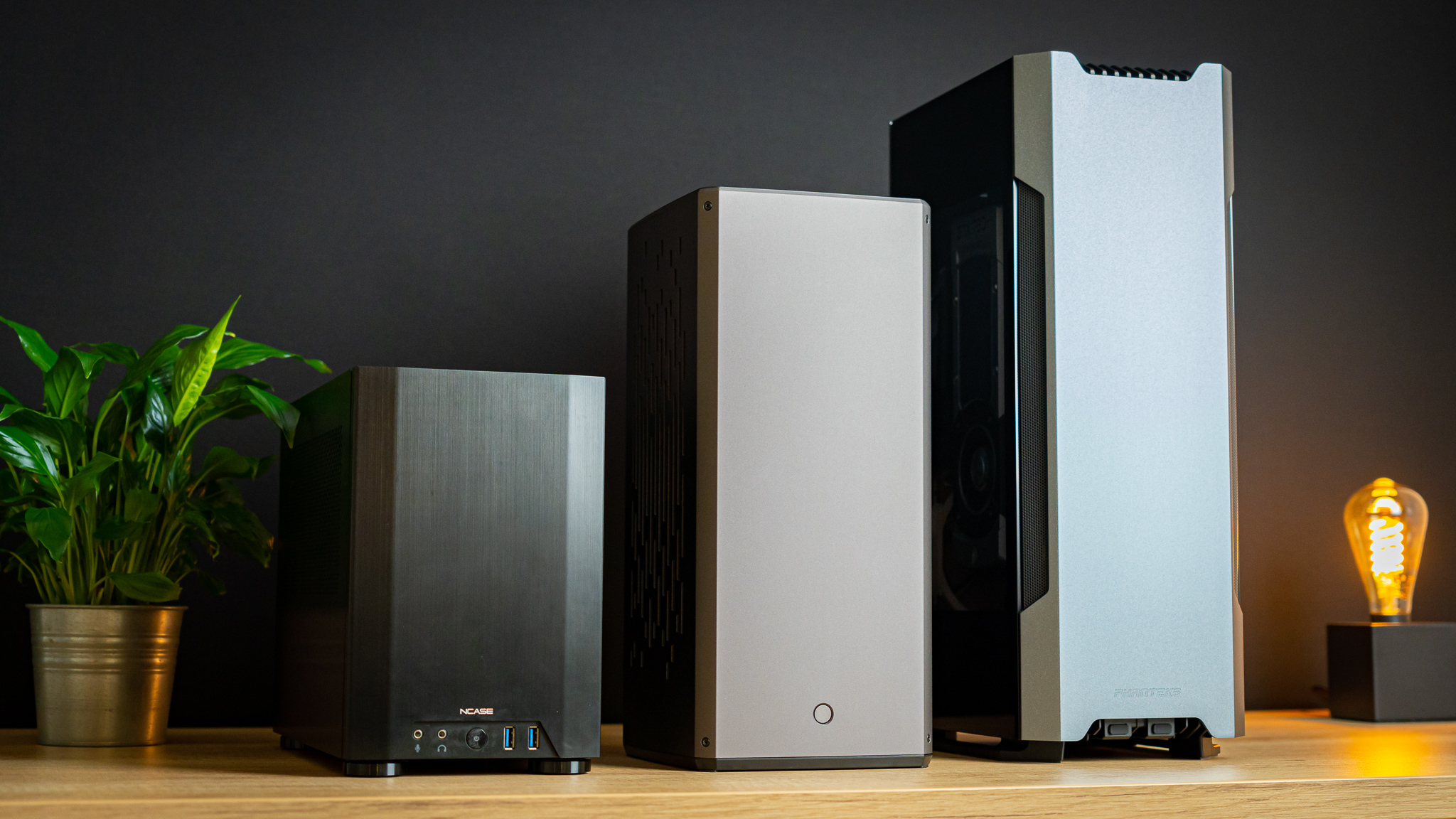

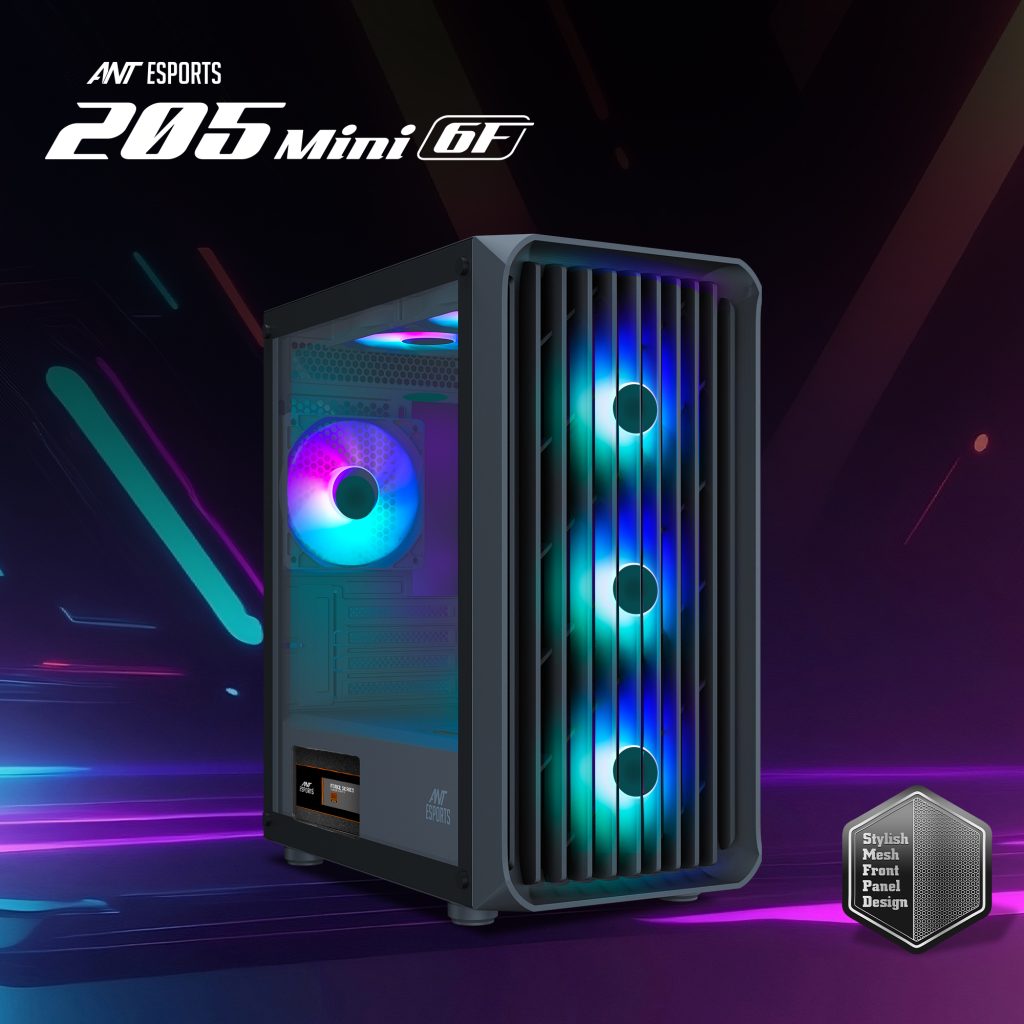
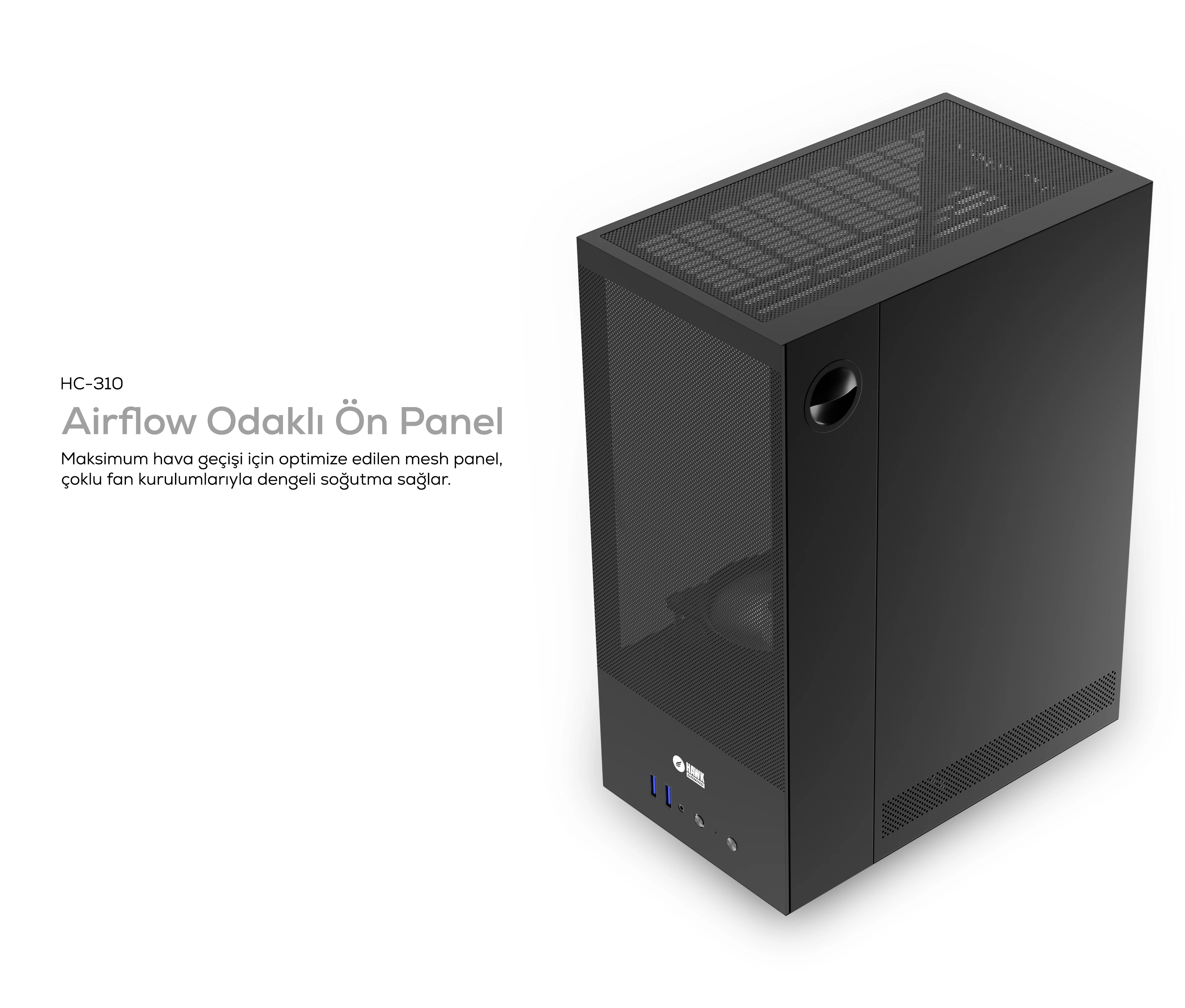
Mini Itx Case Kur Pirkt Best Itx Case For 2025 BLKXFS . Mini Tower Case . Antec CX200M Elite Micro ATX ITX RGB Mini Tower Gaming Chassis Black Black2 . Ant Esports 205 Mini 6F Mini Tower Micro ATX Mini ITX Black Cabinet 205 Mini 6F A1B 3 1024x1024 . HC310 600W Rgb Mesh Micro Atx Mini Tower Siyah Gaming Oyuncu Fiyat Hawk Gaming Hc310 600w Rgb Mesh Micro Atx Mini Tower Siyah Gaming Kasa 5.webp