Are you a seasoned gamer feeling the pull of pixelated pasts, longing for the days of DOS prompts and Windows 98 boot-ups? For many US gamers, balancing a demanding job, family life, and personal wellness means finding moments of true relaxation and fun. Building a retro PC offers a unique blend of nostalgia, skill-building, and a simpler gaming experience, free from modern hype cycles and endless updates. This comprehensive guide helps you navigate the challenges of sourcing vintage parts, ensuring compatibility, and setting up an authentic retro gaming machine. We will explore everything from choosing your preferred gaming era to optimizing performance and connecting to modern displays. Discover how this rewarding project can offer value for money, a deep dive into computing history, and a perfect escape, proving that sometimes, the best way to unwind is to rewind. This guide is packed with informational tips and navigational insights tailored for busy adults looking to reignite their passion for classic titles.
What is the ideal budget for building a retro PC?
The ideal budget for building a retro PC can vary widely, from under 100 dollars if you are scavenging parts and lucky, to 500 dollars or more for a meticulously curated, high-end vintage build. For most US gamers looking to relive their favorite Windows 95/98 or early 2000s titles without significant financial strain, a sweet spot often lies between 200 and 350 dollars. This typically allows for acquiring a decent CPU, motherboard, graphics card, sound card, and sufficient RAM, often sourced from online marketplaces or local tech sales, balancing cost with performance for an authentic experience.
How do I choose the right era for my retro PC build?
Choosing the right era for your retro PC build fundamentally depends on the specific games you are most nostalgic for. If your heart yearns for MS-DOS classics like Doom or Commander Keen, a 486 or early Pentium build is ideal. For the vast library of Windows 95/98 titles such as Half-Life or StarCraft, a Pentium II/III or early AMD K6-2/Athlon system with an AGP graphics card is perfect. If you are leaning towards early 2000s gems like Morrowind or Max Payne, a Pentium 4 or Athlon XP setup running Windows XP would be more suitable. Researching your top 5-10 desired games will pinpoint the correct hardware generation and operating system requirements, ensuring maximum compatibility and enjoyment.
Where can I reliably source vintage PC components?
Reliably sourcing vintage PC components often involves a combination of online marketplaces and community resources. eBay is a primary hub for individual parts, but be prepared for varying prices and shipping costs; always check seller ratings carefully. Dedicated retro computing forums and Facebook groups are excellent for finding parts, getting advice, and sometimes even trading with fellow enthusiasts who understand the value. Local electronics recycling centers, garage sales, and flea markets can yield unexpected treasures if you have the time and patience for hunting. Additionally, specialized retro hardware sites sometimes offer refurbished or reproduction components, though often at a premium.
What operating systems are best for different retro PC builds?
For truly vintage experiences, MS-DOS is paramount for games predating Windows 95, offering direct hardware access and minimal overhead. Many choose MS-DOS 6.22 for its stability and widespread support. For the late 90s to early 2000s gaming, Windows 95, 98, or Windows 98 Second Edition are the go-to choices, providing excellent compatibility for a vast library of 16-bit and 32-bit titles with DirectX support. For games spanning into the early to mid-2000s, Windows XP Professional offers the best balance of retro game compatibility and a more modern user experience, making it a versatile choice for many builds. Some specific games may even require Windows ME for specific features.
How do I handle driver installation on an older operating system?
Driver installation on older operating systems can be a puzzle but is manageable with a systematic approach. First, identify all your hardware components accurately (motherboard chipset, graphics card, sound card, network card). Start by searching for original driver CDs, which sometimes come with purchased retro parts. If not, the internet is your best friend: sites like Vogons.org, driverguide.com, or specific manufacturer archives (if still available) are invaluable resources. Download drivers to a modern PC, transfer them via USB stick (if the retro PC supports it), or burn them to a CD-R. Always install chipset drivers first, followed by graphics, then sound, and finally network drivers. Be patient, as some trial and error may be required.
Can I connect a retro PC to modern monitors and peripherals?
Yes, connecting a retro PC to modern displays and peripherals is definitely possible, though it often requires adapters. For monitors, VGA to HDMI converters are common for older PCs with VGA output, allowing them to display on modern screens. However, some older systems might require more specialized upscalers (like OSSC or RetroTINK) for optimal picture quality, especially from lower-resolution or non-standard signals. For peripherals like keyboards and mice, PS/2 to USB adapters are readily available. If your retro PC lacks USB ports, you might need to install a PCI USB expansion card to facilitate easier file transfers and modern peripheral use, though a classic PS/2 keyboard and mouse offer peak authenticity.
What are some common pitfalls to avoid when building a retro PC?
When building a retro PC, common pitfalls include component incompatibility, especially mixing parts from different generations or manufacturers. Always research chipset and CPU compatibility meticulously. Another frequent issue is inadequate or failing power supplies; older PSUs can degrade, so testing or replacing with a modern, low-wattage alternative is wise. Driver hunting can be frustrating, so pre-downloading drivers before assembly is a smart move. Thermal management is also crucial, as older CPUs can run hot, requiring proper heatsinks and fans. Finally, ensure you have appropriate installation media (floppies, CDs) for your chosen operating system, as USB boot might not be supported on very old motherboards.
Hey fellow gamers! Remember those late nights in front of a CRT, battling pixelated monsters or mastering complex simulations? For many of us in 2026, the average age of a US gamer hovers around 36, and about 60% of us are regularly diving into virtual worlds. We are busy individuals balancing jobs, families, and life's endless demands. We game to unwind, to connect with friends on Discord, to build skills, or simply to escape. But sometimes, modern gaming, with its constant updates, high-spec demands, and overwhelming choices, can feel more like a chore than a cherished pastime. We crave that simpler, purer joy, that unique blend of nostalgia and genuine fun. That is exactly where building a retro PC comes into its own.
Building a retro PC is not just about playing old games; it is about recapturing a feeling. It is a journey into the past, a hands-on learning experience, and a surprisingly budget-friendly way to expand your gaming horizons without breaking the bank on the latest GPUs. This guide is crafted for you, the modern gamer who values relaxation, fun, skill-building, and smart spending. We will tackle common pain points, from tracking down elusive components to solving driver mysteries, ensuring your retro build is a smooth, rewarding adventure. Let us dive in and build the classic gaming rig of your dreams!
Why Bother Building a Retro PC in 2026?
In a world dominated by ray tracing and 4K textures, you might wonder why anyone would opt for a machine from decades past. The answer is multifaceted, deeply rooted in nostalgia, but also highly practical. For starters, the unique charm of classic games often lies in their simplicity and creative limitations. Titles like Doom, Fallout 1, or Baldur's Gate offer experiences that modern games simply cannot replicate. Furthermore, 87% of US gamers play regularly, often for 10+ hours a week. For those moments when you want to truly disconnect from current tech trends and overwhelming options, a retro PC provides a focused, authentic blast from the past.
Beyond nostalgia, building a retro PC offers incredible value for money. Instead of spending hundreds on a single new component, you can often assemble an entire working system for less. It is also an amazing skill-building exercise. You will learn about PC architecture from the ground up, troubleshooting old hardware, and understanding how operating systems truly function—knowledge that is surprisingly applicable even to modern systems. Plus, it is a fantastic conversation starter in your gaming den, a tangible piece of computing history.
What Era of Retro PC Should I Build For?
Choosing your retro era is perhaps the most crucial decision in building a retro PC, as it dictates almost every component choice. Generally, retro PCs fall into a few key periods:
- DOS Era (Late 80s - Mid 90s): Think Commander Keen, Doom, Duke Nukem 3D, and early RPGs. This requires 286, 386, or 486 CPUs, ISA/VLB buses, and often Sound Blaster 16 cards. Simpler, but component availability can be challenging.
- Windows 95/98 Era (Mid-Late 90s): The golden age of PC gaming with titles like Half-Life, StarCraft, Quake II, and early 3D acceleration. Pentium 1/2/3 CPUs, AGP graphics cards (like Voodoo or early Nvidia/ATI), and PCI sound cards are common. This is a very popular choice due to the vast game library and relatively easier component sourcing.
- Early 2000s / Windows XP Era: Bridging the gap to modern systems, this period includes classics like Max Payne, Morrowind, and early Call of Duty. Pentium 4, Athlon XP CPUs, AGP/early PCIe graphics, and more robust RAM are typical. This era offers a smoother transition and less hassle with drivers but might feel less
Relive classic gaming with an authentic retro PC. Learn to source vintage components effectively. Navigate compatibility and driver challenges with expert tips. Build a budget-friendly retro gaming setup. Understand era-specific operating systems and games. Connect your retro rig to modern displays. Gain valuable hardware and software troubleshooting skills.
35#1 Gallery building a retro pc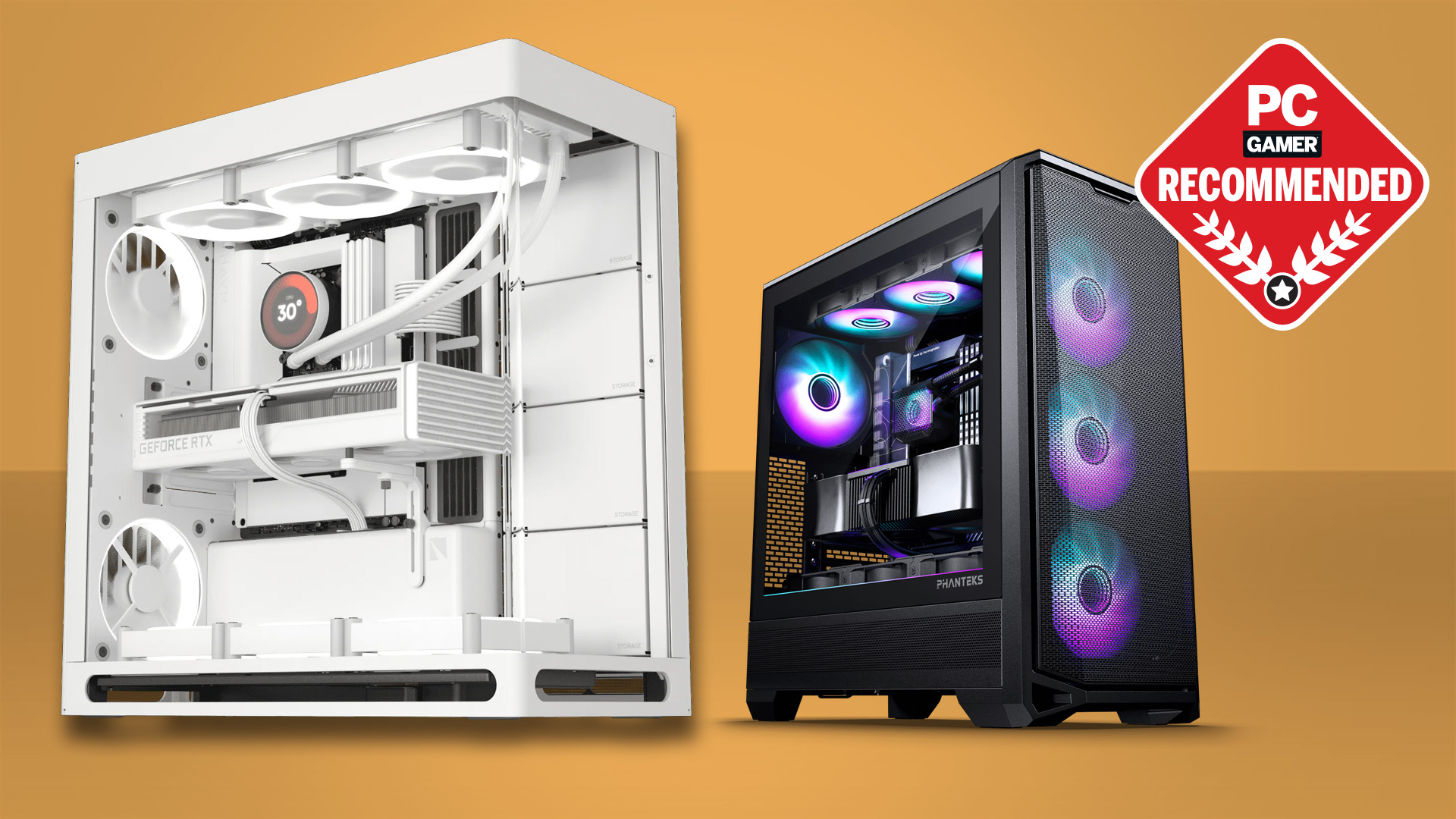
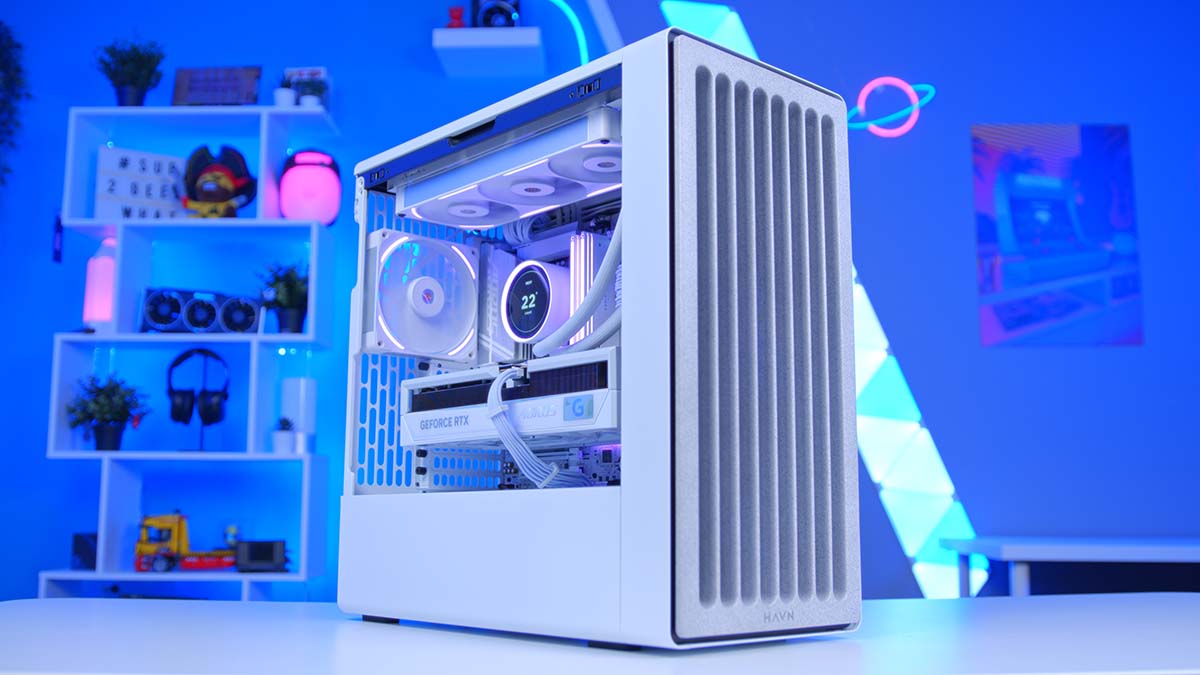

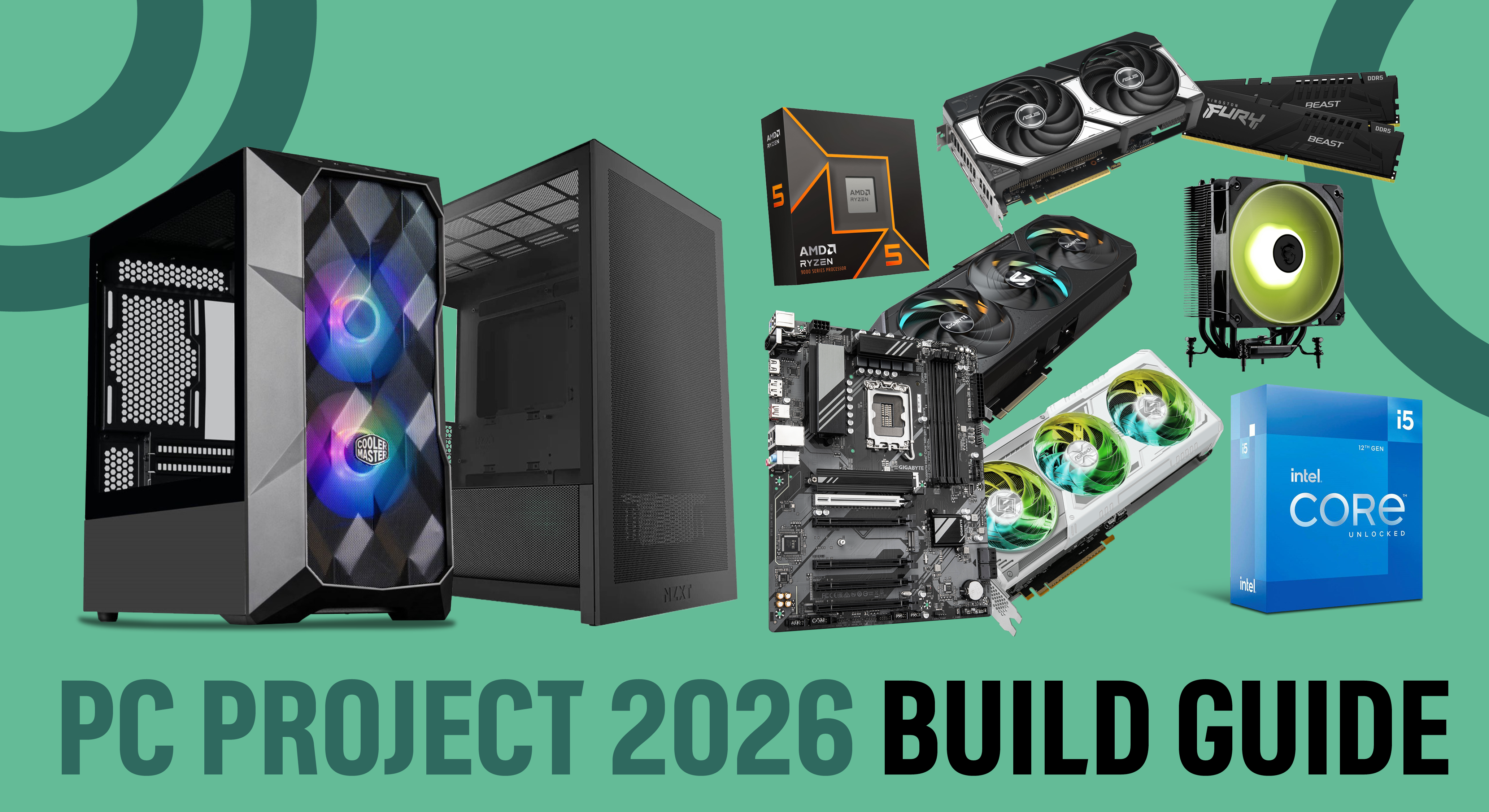
The Ultimate 2025 Retro Gaming PC Build Guide RGB Meets Vintage In . Building An Enthusiast Grade PC Build For 2026 GeekaWhat FI DM87 HAVN BF RTX 5090 Build . Best Gaming PC Builds For 2026 Best Gaming PC Builds For 2026.webp. PC Project 2026 Where To Start With Building Your Own Gaming PC CCL CCL 667 BLOG BUILD GUIDE 1980x1080 . Building Custom PC 2026 Complete Guide Components Steps And Tips Image
#2 Gallery building a retro pc

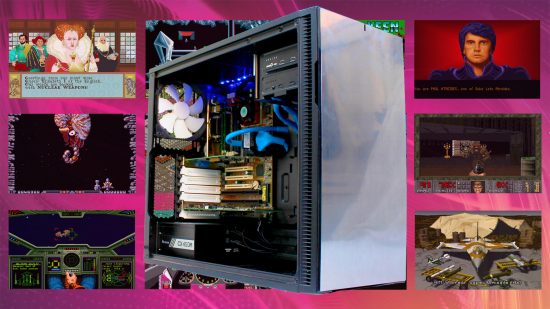
Is It Worth Rebuilding Your Old Computer 2026 Upgrade Guide KVS A Stunning 2026 Custom Built G 1 1024x559 . The Ultimate 2025 Retro Gaming PC Build Guide RGB Meets Vintage In . How To Build A High End Gaming PC 2026 Complete Assembly Guide Featured Image 2nmki6j . How To Custom PC Retro PC Hero 550x309 . The Best Gaming PC Builds For 2026 Top Picks And Reviews Best Pc Build 300x300
#3 Gallery building a retro pc
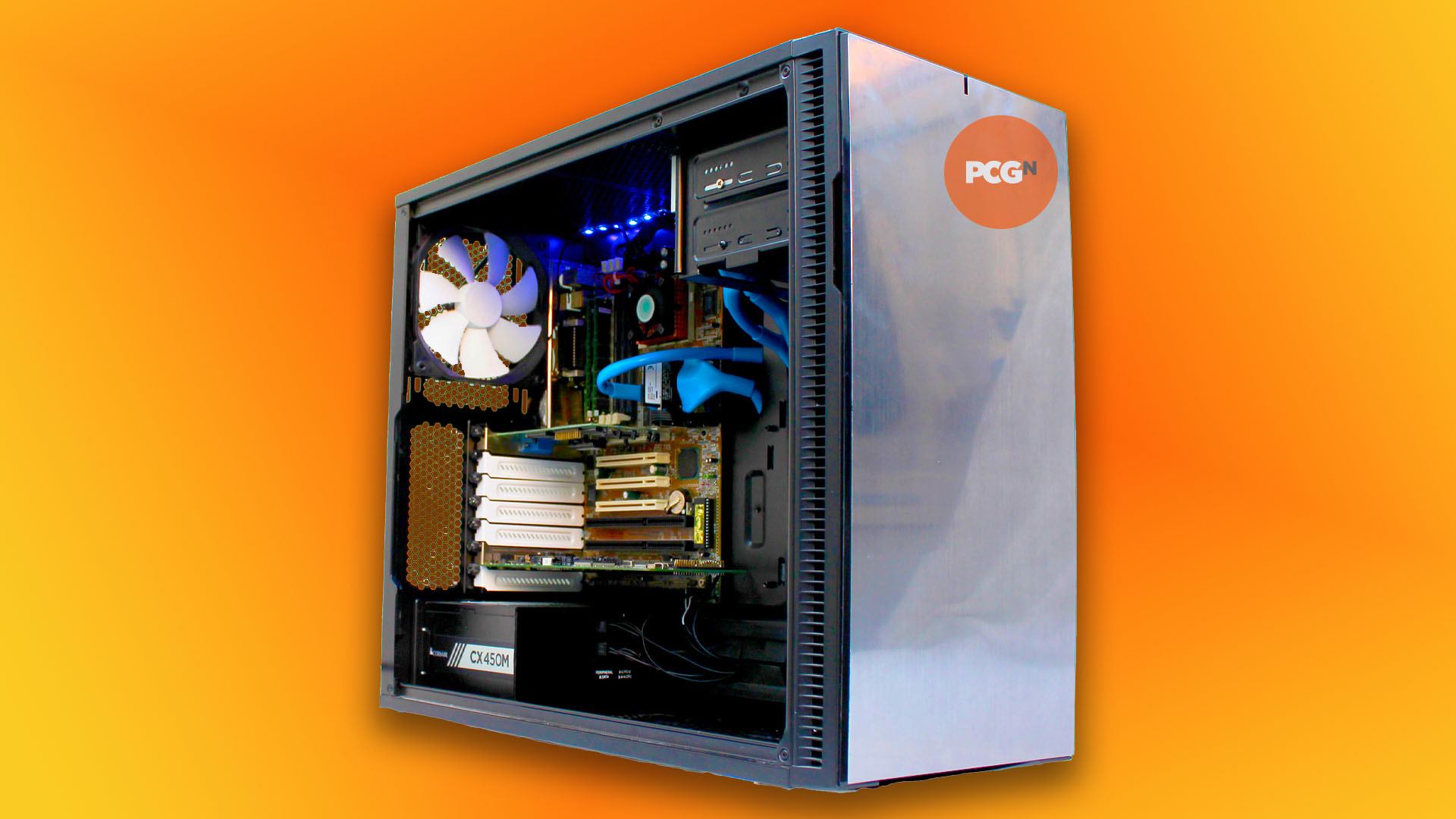
How To Build A PC In 2026 GEEKOM UK Pc Building Guide.webp. Build PC Stream Game 2026 C N C U H Nh Ra Sao Live M T Kh Ng Lag Build PC Stream Game 2026 Can Cau Hinh Ra Sao De Live Muot Khong Lag.webp. How To Build A Future Proof PC In 2026 Without Regret Gemini Generated Ima. Imresizer 98 . The Ultimate 2025 Retro Gaming PC Build Guide RGB Meets Vintage In . How To Build A Retro Gaming PC How To Build Retro Gaming Pc Hero
#4 Gallery building a retro pc

The Ultimate 2025 Retro Gaming PC Build Guide RGB Meets Vintage In . How To Build A Gaming PC 2026 Complete Beginner S Guide Switchblade How To Build Gaming Pc 2026.webp. ULTIMATE Creators PC Build For 2026 A Complete Guide YouTube . How To Build A Future Proof Gaming PC In 2026 Complete Custom Build Guide 1773043345 . How To Build A Gaming PC In 2026 Complete Parts Guide And Assembly Image
#5 Gallery building a retro pc


Should You Build A PC In 2026 Mid Range Gaming Build Guide January Cld Sample . How To Build Gaming PC Guide 2026 Step By Step Budget Gaming PC 2026 Gaming Pc . Best Budget Gaming PC Build 2026 Affordab Gaming PC Guru Best 5000 Gaming Pc Build 2026 400x250 . Building An AMD5x86 133 ULTIMATE Retro PC Computer For LAN Parties . Best PC Builds For Gaming 2026 Ultimate Guide To Building Your Dream Best PC Builds For Gaming 2026 1024x683
#6 Gallery building a retro pc


Best Emulators For PC Retro Gaming In 2026 BallHustle Best Emulators For PC Retro Gaming 1024x683 . Building A Retro PC From New Old Parts YouTube . Building A New Retro Styled Computer CubicleNate Com Callisto2 Retro Computer Build . The Gaming PC You Need To Build For 2026. How To Build A Gaming PC In 2026 Complete Beginner Guide How To Build Gaming Pc 2026 768x432
#7 Gallery building a retro pc


Building A Budget Gaming PC In 2026 Is A Pain In The Ass All County Hyte X50 PC RX 9060 XT 4 1200x675 . THE BUILD PC Gamer US Edition April 2026 Img 106 1 . Build Vs Buy PC In 2026 Should You Build Your Own PC Or Buy A Prebuilt Build Vs Buy Pc . Best Gaming PC Builds For 2026 Pc Build Help 150x150 . Best PC Builds Mods Gaming Setups And Game Rooms Retro Rust Hero 550x309