Understanding your PC with CPU is crucial for every gamer, especially those balancing work, family, and precious gaming time. This comprehensive guide cuts through the technical jargon to give you actionable insights into how your Central Processing Unit impacts everything from game loading speeds to seamless multitasking and frame rates. We delve into choosing the right CPU for your gaming habits, whether you are a casual player enjoying cozy games or an esports enthusiast demanding peak performance. Discover how to identify bottlenecks, perform smart upgrades on a budget, and ensure your system is optimized for the latest titles and social gaming experiences. With millions of US gamers playing regularly and dedicating 10+ hours a week, optimizing your PC with a capable CPU means more fun and less frustration. Learn to make informed decisions that extend your hardware's lifespan and deliver excellent value for money, keeping you current without falling for unnecessary hype. This article provides practical solutions to common PC with CPU problems, ensuring your rig is always ready for your next adventure.
What is the primary function of a CPU in a gaming PC?
The CPU, or Central Processing Unit, acts as the brain of your gaming PC, executing all instructions from games and software. It calculates game physics, AI behaviors, and manages data flow, directly impacting frame rates, load times, and overall system responsiveness. A robust CPU ensures your graphics card receives data quickly, preventing performance bottlenecks and delivering a smoother gaming experience.
How does CPU core count affect gaming performance?
CPU core count affects gaming performance by allowing the processor to handle multiple tasks simultaneously. While many older games primarily relied on a few fast cores, modern titles, especially open-world games and those designed for multitasking (like streaming), can benefit significantly from higher core counts. More cores mean smoother gameplay, better multitasking capabilities, and improved performance in CPU-intensive scenarios.
When should I consider upgrading my PC's CPU?
You should consider upgrading your PC's CPU if you notice consistent performance bottlenecks in new games, significantly lower frame rates than expected, or if your current CPU struggles with multitasking while gaming or streaming. Typically, a CPU upgrade every 3-5 years provides a noticeable improvement, especially if you are pairing it with a newer, more powerful graphics card or tackling more CPU-intensive tasks.
What's the difference between CPU clock speed and boost clock speed?
CPU clock speed, measured in gigahertz (GHz), indicates how many cycles per second a core can execute. Boost clock speed is the maximum speed a CPU core can reach for short periods under optimal thermal conditions, often in single-threaded tasks. While base clock is a baseline, boost clock provides that extra burst of power for demanding applications like games, maximizing performance when needed.
Is integrated graphics on a CPU sufficient for gaming?
For most serious or modern gaming, integrated graphics on a CPU are generally not sufficient. While they can handle older titles, indie games, or very light esports at lower settings, they lack the dedicated memory and processing power of a discrete graphics card. For a true gaming experience with good frame rates and visual fidelity, a dedicated GPU is highly recommended alongside your PC's CPU.
How important is CPU cooling for my gaming PC?
CPU cooling is critically important for your gaming PC. A CPU generates a lot of heat, especially under heavy load during gaming. Effective cooling prevents the CPU from overheating, which can lead to thermal throttling (where the CPU reduces its speed to prevent damage) or even system crashes. Investing in a good CPU cooler ensures stable performance, longevity, and allows the CPU to maintain its boost clocks for longer, maximizing gaming fluidity.
Can a new CPU improve my game loading times?
Yes, a new and faster CPU can absolutely improve game loading times. While your storage drive (SSD or HDD) plays a primary role, the CPU is responsible for decompressing game assets and processing data as it loads. A more powerful CPU can handle these tasks more quickly, leading to noticeably faster loading screens, especially in modern games with large, complex asset packages. It works hand-in-hand with fast storage for optimal results.
Hey fellow gamers! Ever find yourself with just an hour to dive into your favorite game after a long day, only to be met with frustrating stutters, slow loading screens, or inability to multitask while gaming? You are not alone. With the average US gamer being around 36 years old, many of us are balancing demanding jobs, family life, and still craving that precious time to relax, connect with friends, or hone our skills in the digital world. We want smooth, immersive experiences, not technical headaches. That is where your PC with CPU comes into play, often being the unsung hero or the silent bottleneck of your system. Understanding its role and how to optimize it is key to transforming your gaming sessions from good to absolutely glorious.
In 2026, over 87% of US gamers play regularly, often dedicating more than 10 hours a week to their passion. While mobile gaming continues its dominance, the allure of a powerful PC with CPU for high-fidelity experiences, competitive play, and social platforms like Discord remains stronger than ever. Many of us value performance optimization and getting the best value for our money, always looking to stay current without falling for the endless hype cycles. This article is your comprehensive guide to navigating the world of your PC with CPU, offering practical solutions to common pain points—from setup woes and performance snags to budget-friendly upgrades and ensuring your rig keeps up with the latest social and cozy gaming trends. Let us unlock the full potential of your gaming machine together!
Why is the CPU the Brain of My Gaming PC?
Your CPU, or Central Processing Unit, is often called the brain of your computer, and for good reason. It handles the vast majority of computations required to run your operating system, applications, and especially games. Think of it as the maestro conducting an orchestra; it directs data traffic, executes instructions, and processes game logic at incredibly high speeds. For gamers, a powerful CPU ensures smooth frame rates, quick loading times, and the ability to multitask seamlessly, such as streaming your gameplay or chatting on Discord without performance drops. Without a capable CPU, even the most powerful graphics card will struggle to deliver its full potential, leading to a frustrating bottleneck.
How Do I Know if My PC with CPU is Bottlenecking My Gaming Performance?
A CPU bottleneck occurs when your processor cannot keep up with your graphics card, causing the GPU to wait for the CPU to send it data. This often results in lower-than-expected frame rates, inconsistent frame pacing, or stuttering, especially in CPU-intensive games or scenarios (like large open worlds or games with many AI characters). You can check for a bottleneck using monitoring software like MSI Afterburner or HWMonitor. Look at your CPU and GPU utilization while gaming. If your CPU usage is consistently at or near 100% while your GPU usage is significantly lower (e.g., 60-70%), you likely have a CPU bottleneck. This is a common issue for gamers upgrading their GPU but keeping an older CPU, leading to disappointment despite the new hardware.
What are the Key Factors to Consider When Choosing a New CPU for My PC?
When selecting a CPU for your gaming PC, several factors come into play. First, consider the **number of cores and threads**. More cores generally mean better multitasking and performance in games optimized for multiple threads. Second, **clock speed (GHz)** is crucial for single-threaded performance, which many games still heavily rely on. Third, **cache size** affects how quickly the CPU can access frequently used data. Fourth, **socket type** is vital; your new CPU must be compatible with your motherboard. Finally, consider your **budget** and the **CPU's integrated graphics** if you are not using a dedicated GPU. For most modern gaming, 6 to 8 cores with a high boost clock speed offers an excellent balance.
Intel or AMD: Which CPU Brand is Better for My Gaming PC with CPU?
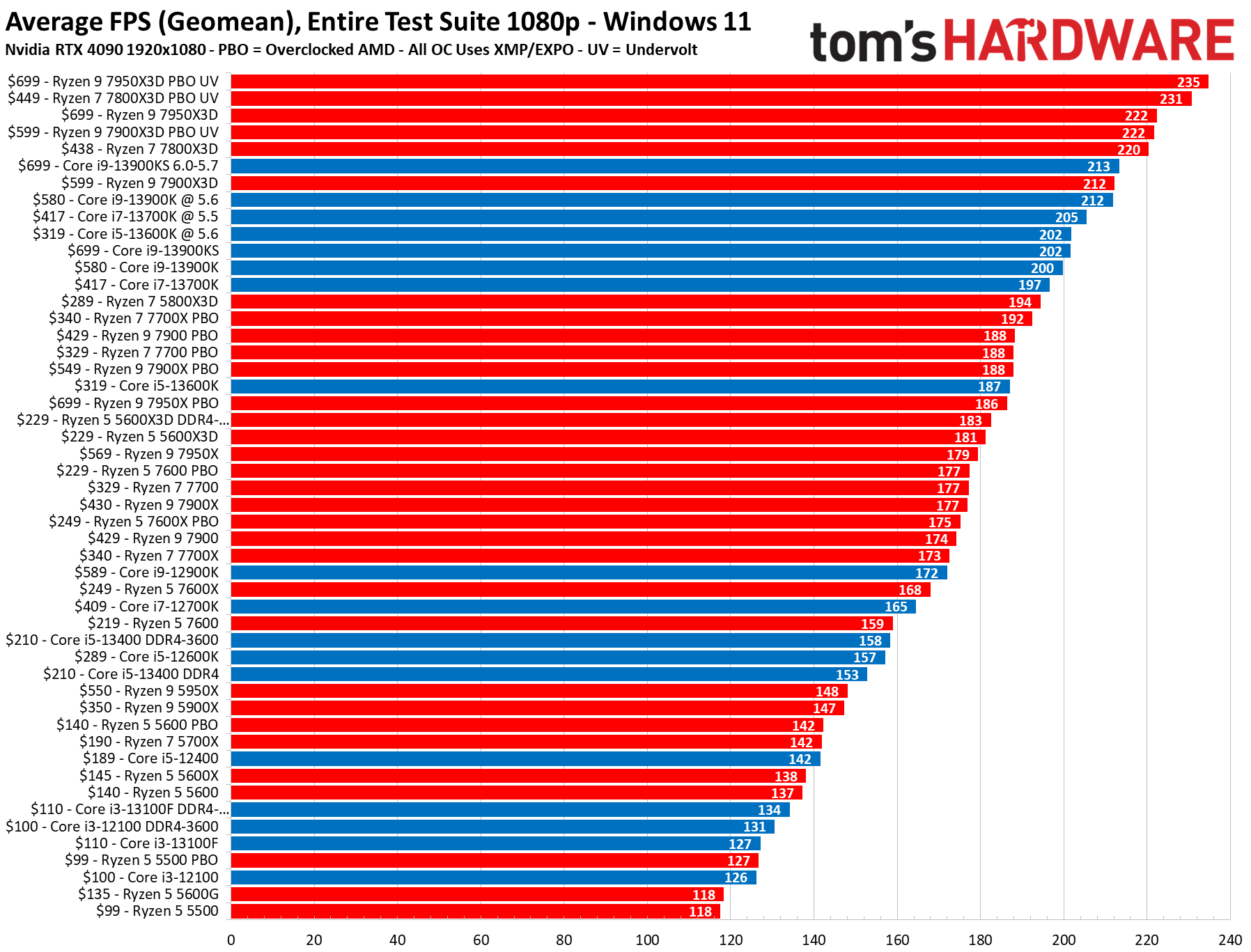
Both Intel and AMD offer fantastic CPUs for gaming, and the competition between them has never been fiercer, benefiting consumers with great performance and value. Intel generally excels in raw single-core performance, which historically has given them an edge in many games. Their latest generations, like the Core i7 and i9 series, provide incredible speeds. AMD, with its Ryzen series, offers excellent multi-core performance and often delivers better value, especially for those who also stream or do content creation alongside gaming. The decision often comes down to specific game titles, budget, and overall system synergy. Research benchmarks for the games you play most to make an informed choice. Remember, what is 'best' often depends on your specific needs and priorities.
Can I Upgrade My Existing PC with CPU, and How Hard Is It?
Upgrading your PC's CPU can significantly boost performance, but it requires careful planning. First, check your motherboard's **socket type** and **chipset compatibility**. A new CPU must fit the existing socket (e.g., LGA1700 for modern Intel, AM5 for modern AMD) and be supported by your motherboard's BIOS version. You might need a BIOS update before installing the new CPU. Second, consider your **cooler**. A more powerful CPU generates more heat and may require an upgraded CPU cooler. Third, ensure your **power supply** can handle the new CPU's power draw. The physical installation involves removing your old cooler, carefully detaching the old CPU, aligning the new CPU correctly in the socket, applying fresh thermal paste, and reinstalling the cooler. It is a manageable task for most DIY enthusiasts with a little patience and a good tutorial.
What are the Best Budget-Friendly CPU Options for Gamers in 2026?
You do not need to break the bank to get a capable gaming CPU. In 2026, excellent budget-friendly options abound. Look for mid-range processors from both Intel and AMD that offer a good balance of cores and clock speed. For example, some of Intel's Core i5 series or AMD's Ryzen 5 series often deliver fantastic performance per dollar. These CPUs are typically sufficient for playing most modern games at 1080p or even 1440p when paired with a decent GPU. Keep an eye out for sales and previous-generation models, which can offer significant savings without a massive drop in performance for casual to mid-tier gaming. Many gamers find these options perfect for enjoying social games, free-to-play titles, and even competitive esports without feeling held back.
How Does My PC with CPU Affect Streaming and Content Creation?
If you are a gamer who also streams your sessions on Twitch or YouTube, or dabbles in video editing, your CPU plays an even more critical role. Streaming involves encoding video in real-time, a highly CPU-intensive task. More cores and threads directly translate to smoother streams without impacting your in-game frame rates. CPUs with higher core counts, like Intel's Core i7/i9 or AMD's Ryzen 7/9 series, are ideal for this. Some modern CPUs also feature dedicated encoding hardware (like Intel's Quick Sync Video or AMD's VCN) that can offload some of this work from the main CPU cores, further improving performance. If you are serious about content creation, investing in a robust CPU is as important as a powerful GPU.
Beyond Gaming: How Does a Strong CPU Benefit My Everyday PC Use?
While gaming is often the primary focus for PC builders, a strong CPU provides tangible benefits for all your daily computing tasks. Faster CPUs mean quicker application launches, smoother multitasking when juggling multiple browser tabs, office programs, and communication apps like Discord. For those working from home or managing family finances, a responsive system reduces frustration and boosts productivity. Video conferencing, photo editing, and even simple file transfers all benefit from a capable processor. Investing in a good CPU means a snappy, responsive PC experience overall, making every interaction more pleasant whether you are unwinding with a game or tackling your to-do list.
FAQ Section
What is a CPU cooler and why do I need one for my PC with CPU?
A CPU cooler is a device that dissipates heat generated by your CPU to prevent overheating and ensure stable performance. All CPUs need a cooler; some come with a basic stock cooler, but for serious gaming or overclocking, an aftermarket air or liquid cooler is highly recommended to maintain optimal temperatures and prevent thermal throttling.
Do I need to apply thermal paste when installing a new CPU?
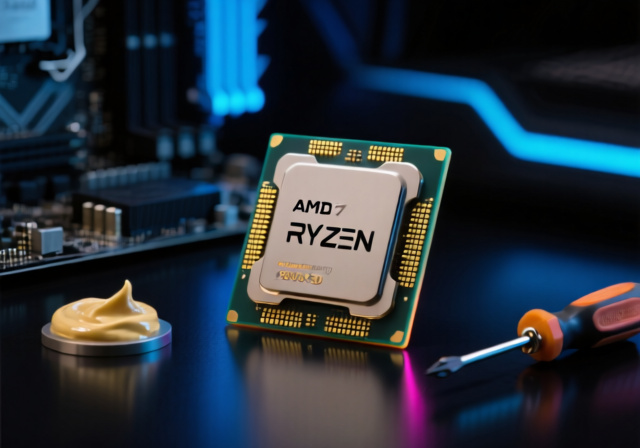
Yes, absolutely. Thermal paste is essential. It fills microscopic gaps between the CPU's surface and the cooler's base, vastly improving heat transfer. Without it, your CPU will quickly overheat. Always apply a fresh, pea-sized dot of quality thermal paste when installing a new CPU or reinstalling a cooler.
Can a CPU be too powerful for my GPU?
While less common, yes, a significantly overpowered CPU paired with a very weak GPU can create an imbalance, though it is not technically a bottleneck in the traditional sense. The GPU will still be the limiting factor for frame rates in most games. However, a powerful CPU ensures the GPU is always fed data quickly, so it is rarely a problem unless the GPU is ancient. Focus on balanced components for the best value.
How often should I consider upgrading my PC's CPU?
For most gamers, a CPU upgrade is typically needed every 3-5 years, depending on your usage and the demands of new game titles. If you notice significant performance drops, frequent bottlenecks, or plan to jump to a much higher resolution or frame rate, it might be time for an upgrade. Keeping an eye on current hardware trends and your specific performance needs will guide your decision.
Conclusion
Navigating the world of your PC with CPU does not have to be a daunting task. By understanding its vital role, knowing how to identify performance issues, and making informed choices about upgrades, you can ensure your gaming rig consistently delivers the smooth, immersive experiences you crave. Whether you are balancing family life with late-night raids, connecting with friends in social games, or chasing that elusive win in esports, a well-optimized PC with CPU is your most reliable ally. Remember, your time is valuable, and your gaming experience should be nothing short of fantastic.
What is your biggest gaming challenge with your current PC? Comment below!
Optimizing your PC with CPU for peak gaming performance, choosing the right CPU for your budget and needs, understanding CPU impact on frame rates and multitasking, easy CPU upgrade tips, balancing PC with CPU for life and gaming, maintaining a current system without overspending.
35
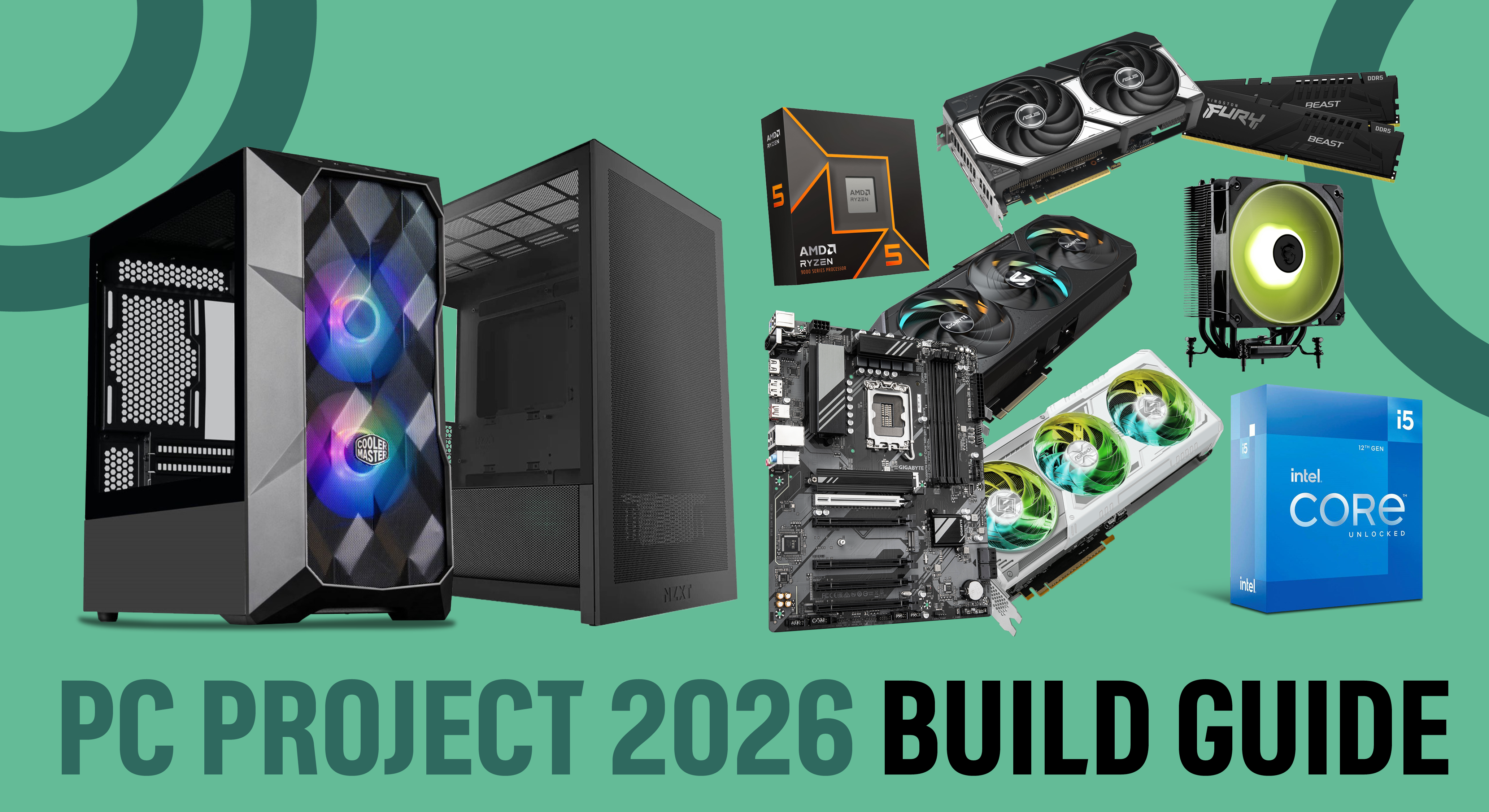


Top 10 Best Desktop Computers 2026 For Home Office And Work Lenovo Legion Tower 7i 2026 High Performance Desktop Computer With RGB Lighting Featured In. PC Project 2026 Where To Start With Building Your Own Gaming PC CCL CCL 667 BLOG BUILD GUIDE 1980x1080 . Top 10 Best Desktop Computers 2026 For Home Office And Work Lenovo Legion Tower 5i 2026 Budget Desktop Computer For Home Office Among Best Desktop. 6 Best Desktop Computers 2026 YouTube . Best Gaming PC Builds For 2026 Best Gaming PC Builds For 2026.webp
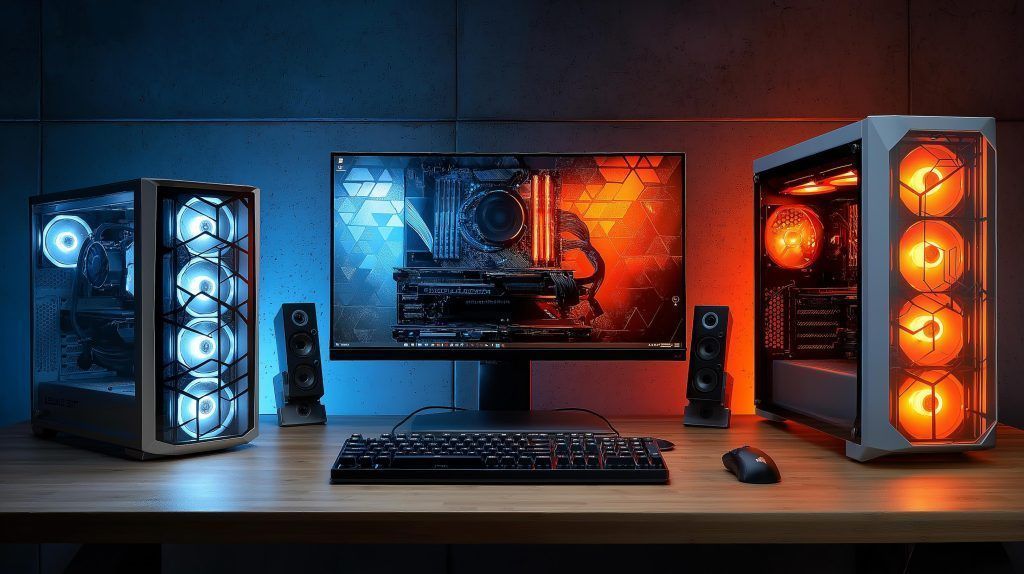
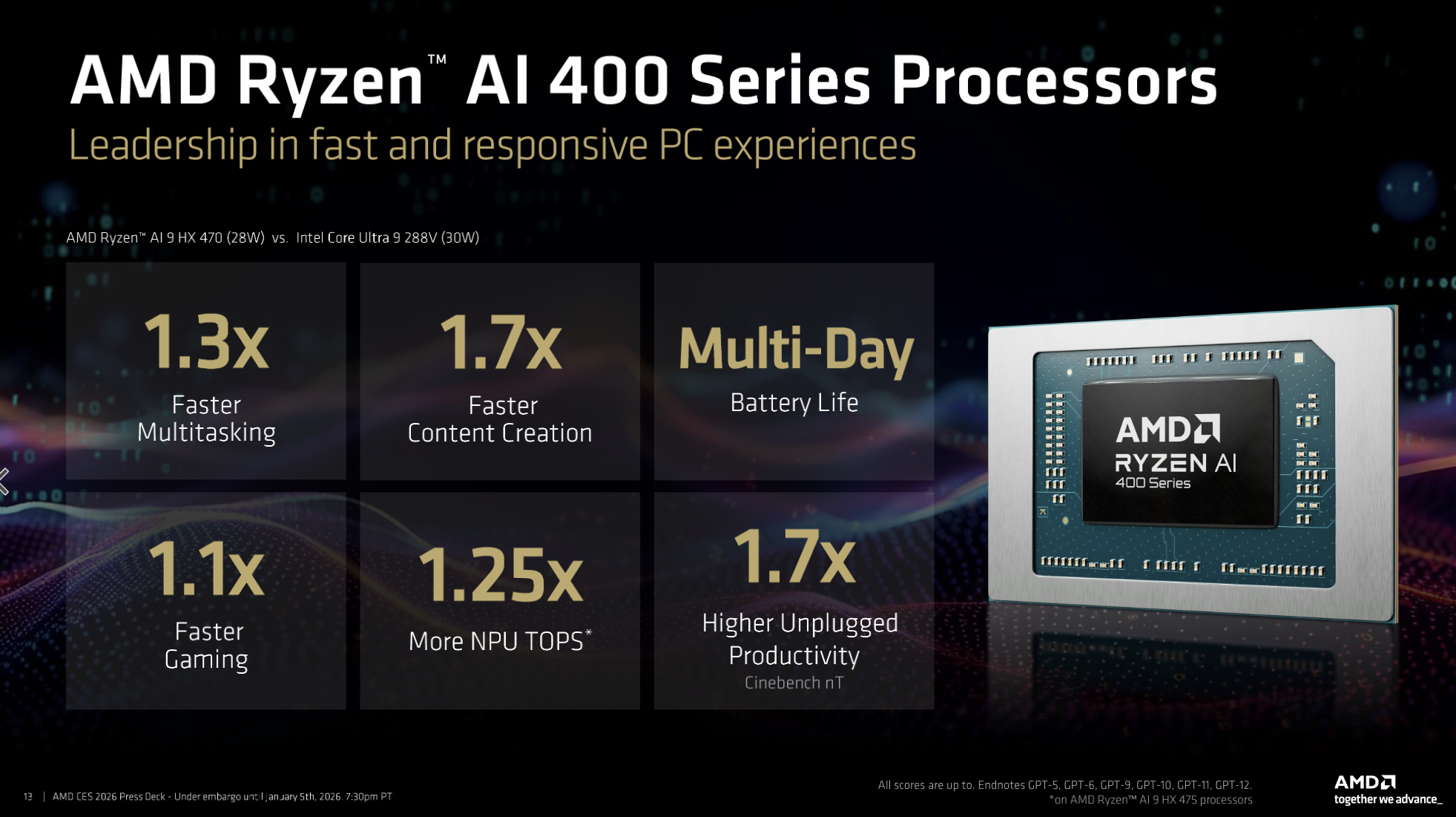
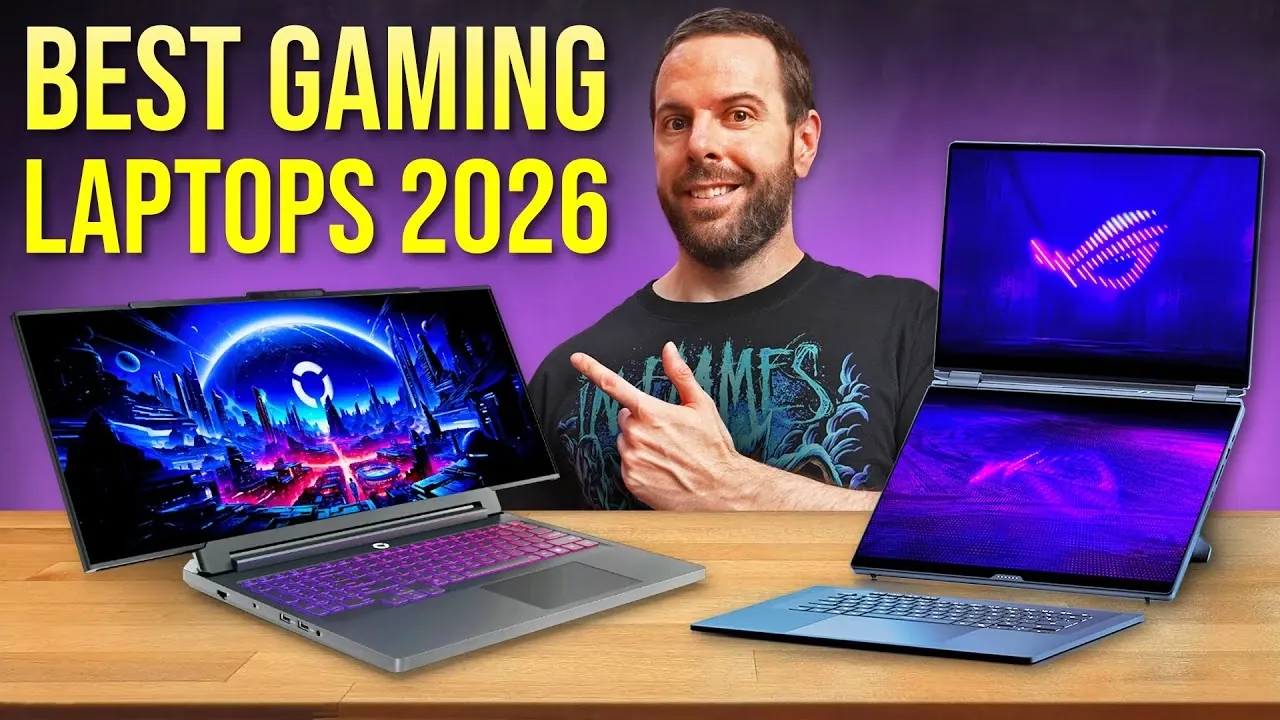


2025 2026 Tablet E Reader Showdown IPads Galaxy Tabs Kindles Desktop Pc 1024x574 . Apple Prepping Touchscreen OLED MacBook Pro For 2026 New Report . Best Gaming Laptops At CES 2026 RTX 5090 Options Dual Screen Picks Lenovo Legion Pro Rollable Concept. Why Desktop PC Prices Are Rising In 2026 And How To Still Get A Good Deal New Year Desktop PC Deals 2026 Main . How To Build A Future Proof PC In 2026 Without Regret Gemini Generated Ima. Imresizer 98


Intel AMD Laptop CPU Roadmap Leak Arrow Lake HX In 2025 Refresh In Intel CPU Roadmap CLEVO Leak Arrow Lake Panther Lake Lunar Lake . 12 Best Desktop Computers For Home Office In 2026 Tested Reviewed Best CPU For 4K Video Editing PC Build 1024x576 . The 10 Best Laptops At CES 2026 PCWorld Lenovo ThinkPad X1 Carbon Aura Edition At CES 2026 . 2026 CPU Upgrade Timing Cpu Upgrade Cycle 2026 How Long To Wait Banner V1.webp. Top 10 Best Desktop Computers 2026 For Home Office And Work Apple IMac M4 2026 All In One Desktop Computer For Creative In Best Desktop



Building A New Desktop PC Computer In 2024 HomeSpace NZ New Zealand Building New Desktop Pc Computer In 2024 . ASUS ROG Showcase At CES 2026 Confirmed With New Gaming Gear Laptops 109228 43 Asus Rog Showcase At Ces 2026 Confirmed With New Gaming Gear Laptops And Future Technology Full . Intel Nova Lake Desktop Cpu 2026 Intel Reaffirms Its Cpu Roadmap Arrow Intel Arrow Lake Desktop CPUs 1456x786 . Top 10 Best Desktop Computers 2026 For Home Office And Work Dell Tower Plus 2026 Desktop Computer With Sleek Design And Powerful Components For Best. Best Laptops 2026 Top Picks For Every Budget Use Case Xthe Best Laptops 2026 Top Picks For Every Budget Use Case 750x350



Top 10 Best Desktop Computers 2026 For Home Office And Work HP OmniStudio X Pro 2026 All In One Desktop Computer With Large Display Ranked Among Best. Hp Laptop 2026 Intel Core I9 At 50000 In Pune ID Hp Laptop 1000x1000 . Technology Of The Future A Computer Chip Illuminates The Year 2026 On A Technology Future Computer Chip Illuminates Year Circuit Board Generated Ai 345878049 . How To Backup Computer To External Hard Drive March 2026 Complete Guide Best CPU For A Laptop . Intel CPU Free Gift Bonanza Extended To Current Gen Ultra Series Get 1200 80


PC Prices Expected To Jump By Up To 8 In 2026 Notes Report TechPowerUp . Intel AMD Laptop CPU Roadmaps Leaks 2026 2027 Plans Unveiled OC3D . Best Mini PC For Claude Code 2026 ALLIWAVA AI Development Mini PC CPU Benchmark 908d1a1e B966 4d00 B0f0 . The Intel 286 CPU Was Introduced On This Day In 1982 16 Bit X86 Chip . 2026 On Computer Chip Symbolizing Future Technology And Innovation Computer Chip Symbolizing Future Technology Innovation Circuit Board Background 351909092


Die Besten Neuen KI Computer 2026 Laptops Desktops Tablets Im Check Neue Computer Und Laptops Im Test 2026 1024x683 . Why 2026 Is The Year Of The AI PC Is Your NYC Office Ready New York. I M Extremely Excited And Even More Worried About What Changes Might . Best PC CPU 2026 Gaming Performance And Tests Featured Image M1c614bf . New CPU Releases 2026 Computer Socket Hardware News New CPU Releases 2026