Navigating your Steam library efficiently is crucial for any gamer, especially those balancing a busy life with their passion for digital worlds. This comprehensive guide will walk you through the essential steps on how to delete game from Steam, ensuring your PC runs smoothly and your storage remains optimized. We understand that finding time for gaming is precious, and the last thing you need are performance issues or a full hard drive preventing you from diving into the latest titles or revisiting old favorites. With an average of 87% of US gamers regularly enjoying their hobby and many spending over 10 hours a week, effective library management is more important than ever. This resource covers everything from basic uninstallation to managing save files and understanding the difference between removing a game from your local storage versus your account, all designed to help you reclaim valuable disk space and keep your gaming experience seamless and enjoyable. Learn the tricks to keep your setup lean and mean.
How do I properly uninstall a game from my Steam library?
The safest and most recommended way to uninstall a game from Steam is directly through the Steam client. Open your Steam Library, right-click on the game you wish to remove, select 'Manage,' and then click 'Uninstall.' Confirm your choice, and Steam will handle the removal of the game files from your computer. This method ensures all associated files Steam tracks are correctly removed, freeing up disk space efficiently.
Will deleting a game from Steam also remove my save files?
Typically, uninstalling a game from Steam only removes the core game files, not your save files or configuration settings. Many games store save data in your Windows Documents folder or the AppData directory, which Steam doesn't touch. If a game uses Steam Cloud, your saves are also backed up online. To truly delete all save data, you'd usually need to manually locate and delete those specific files after uninstalling.
What's the difference between uninstalling a game and removing it from my account?
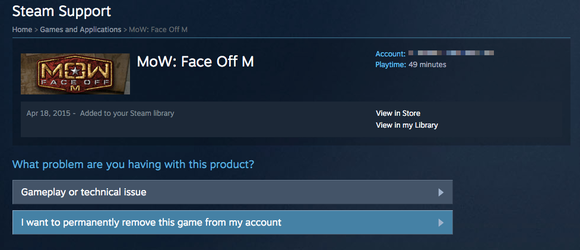
Uninstalling a game simply removes its files from your computer's hard drive, but you still own the game in your Steam library and can reinstall it anytime. Removing a game from your account, however, is a permanent action (usually done via Steam Support) that forfeits your ownership, making it as if you never purchased it. This means it disappears from your library and you'd have to buy it again to play.
Can I reinstall a game I've deleted from my Steam library later?
Absolutely, as long as you own the game on your Steam account, you can reinstall it at any time after deleting it. Deleting a game from your local storage only frees up space on your PC; it doesn't revoke your license or remove it from your digital library. Simply find the game in your Steam library, and you'll see an 'Install' button ready for you.
How can I quickly find which games are taking up the most space?
Steam has a built-in 'Storage' manager that makes this easy. Go to 'Steam' > 'Settings' (or 'Preferences' on Mac), then click on 'Storage.' This window will list all your installed games across your Steam library folders, showing their exact size. You can sort this list by size to quickly identify which titles are the biggest space hogs, helping you prioritize what to uninstall.
What should I do if a Steam game fails to uninstall normally?
If a Steam game won't uninstall normally, first try restarting Steam and your computer. Then, right-click the game in your library, go to 'Properties,' then 'Installed Files,' and select 'Verify integrity of game files.' If issues persist, you might need to manually delete the game's folder from your SteamAppscommon directory, then try uninstalling again in Steam to clean up any remaining entries. As a last resort, third-party uninstaller tools can help remove stubborn leftover files.
Are there any common issues when deleting games and how to avoid them?
Users sometimes worry about losing save files, but these are generally separate from the main game installation. Another common issue is leftover files not fully deleted, which can often be resolved by verifying game files or manual deletion as mentioned. To avoid issues, always use Steam's built-in uninstall feature first, ensure your Steam client is up-to-date, and consider regularly checking for residual files in your Documents or AppData folders if storage is still tight.
Hey fellow gamers! Ever stare at your overflowing Steam library, lamenting that new AAA title you can't install because your hard drive is screaming for mercy? You're not alone. Many of us, especially those juggling jobs, families, and the occasional quest for digital glory, find ourselves constantly battling storage limitations. It's a universal gaming truth that hard drives fill up faster than you can say 'microtransaction.' But here's the good news: learning how delete game from Steam is simpler than you think, and this guide is your ultimate roadmap to reclaiming that precious digital real estate. Whether you're optimizing for better performance, making room for the next big release, or just decluttering your digital life, we've got your back.
In 2026, with an estimated 87% of US adults playing video games regularly, and many spending over 10 hours a week across mobile, PC, and console platforms, managing your game library effectively is more critical than ever. We're not just playing; we're building skills, socializing with friends on Discord, and unwinding after a long day. The last thing any busy gamer needs is technical friction. This article is crafted for you – the gamer who values practicality, performance, and smart choices without the hype. Let's dive in and make some space for new adventures!
Why Should I Delete Games from Steam? Beyond Just Freeing Space
While the most obvious reason to delete games is to free up disk space, there are several other compelling reasons. Over time, your drive can become cluttered with games you no longer play, demo versions you tried once, or even titles you purchased but never launched. This digital clutter can slow down your system, make file backups cumbersome, and even impact the performance of your actively played games, especially if your primary drive is near full. For gamers who enjoy competitive titles or graphics-intensive experiences, every gigabyte counts towards optimal system responsiveness. Think of it like tidying your physical space; a clean gaming setup just feels better and performs better too.
How Do I Safely Uninstall a Game on Steam? Step-by-Step Guide
Uninstalling a game from Steam is straightforward, but knowing the proper steps ensures a clean removal. Here’s how you do it:
Open Steam: Launch the Steam client on your computer and log in.
Navigate to Library: Click on 'Library' at the top of the Steam window. This will display all your owned games.
Locate the Game: Find the game you wish to uninstall from your list. You can use the search bar or filters to quickly locate it.
Right-Click the Game: Right-click on the game's title in your library. A context menu will appear.
Select 'Manage' then 'Uninstall': From the context menu, hover over 'Manage,' and then click on 'Uninstall.' Steam will then prompt you with a confirmation message.
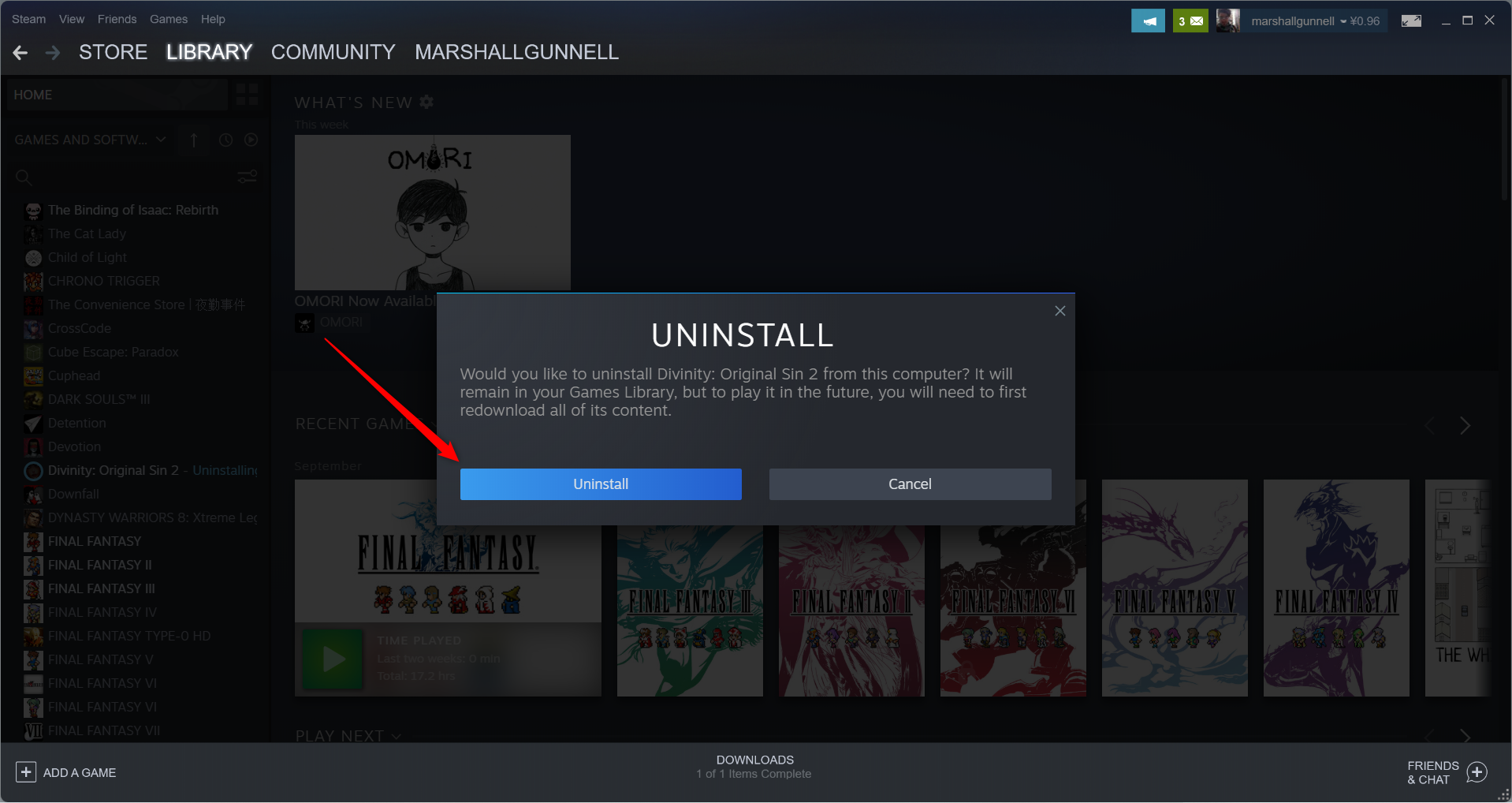
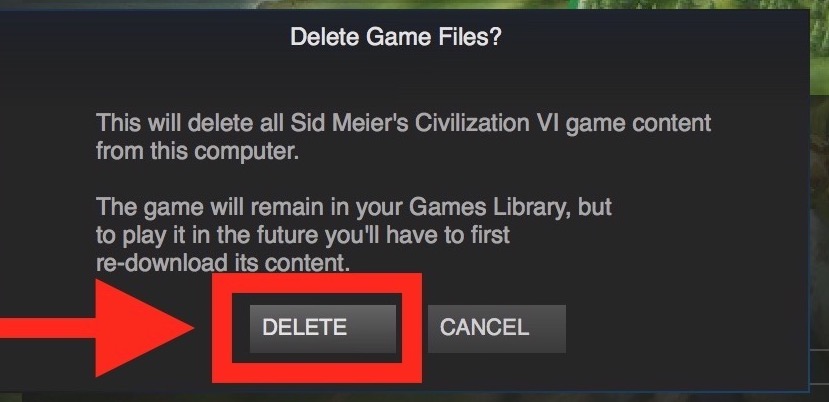
Confirm Uninstallation: Click 'Uninstall' again to confirm. Steam will now begin the uninstallation process, which typically takes a few moments depending on the game's size.
Once completed, the game will no longer be installed on your computer, and the disk space it occupied will be freed up.
Can I Reinstall Deleted Steam Games Later? What About My Purchases?
Absolutely! One of the biggest advantages of Steam is that once you purchase a game, it's permanently linked to your account. Deleting a game from your hard drive only removes the local files; it does not remove your ownership of the game or your ability to download and play it again in the future. Think of it like a digital bookshelf: you're just taking a book off your physical shelf to make room, but you still own it and can always retrieve it from the publisher's warehouse (Steam's servers). Your purchase history and game ownership remain secure within your Steam account, so feel free to delete without fear of losing your valuable titles.
What's the Difference Between Uninstalling and Removing from Account?
This is a common point of confusion for many gamers. When you uninstall a game through Steam, you are simply deleting the game's files from your local hard drive. The game still shows up in your Steam Library and remains linked to your account, ready for reinstallation at any time. This is the standard procedure for freeing up space.
Removing a game from your account is a much more permanent action. This option effectively severs the link between the game and your Steam profile, making it appear as if you never owned it. You would no longer see it in your library, nor could you download or play it without repurchasing. This is typically reserved for games you truly never want to see again, perhaps a purchase you deeply regret or a game that violated terms of service. Valve offers a 'Remove a game from your account permanently' option via Steam Support, but it's used sparingly because it's irreversible and forfeits your license.
How to Manage Steam Storage Across Multiple Drives?
Many PC gamers utilize multiple hard drives – a fast SSD for the operating system and frequently played games, and a larger HDD for less demanding titles or bulk storage. Steam makes managing games across these drives quite simple:
Access Steam Settings: In the Steam client, go to 'Steam' > 'Settings' (or 'Preferences' on Mac).
Navigate to Storage: In the settings menu, click on 'Storage.' This section shows you all your Steam library folders across different drives.
Create New Library Folders: If you haven't already, you can add new library folders on different drives here. Click the '+' icon next to your current library folders and select the desired drive and folder.
Move Games: To move an installed game from one drive to another, select the game in your library, right-click, choose 'Manage,' then 'Move install folder.' You can then select the target library folder on a different drive. This is incredibly useful for optimizing performance, moving larger, slower games to an HDD, or bringing frequently played titles to a faster SSD.
This tool is invaluable for gamers aiming for performance optimization without constant re-downloads. With an average gamer spending 10+ hours a week, efficiency is key.
What If a Game Won't Uninstall or Gives an Error?
Occasionally, a game might refuse to uninstall cleanly, leaving behind files or an incomplete removal message. This can be frustrating, but there are several troubleshooting steps you can take:
Restart Steam and PC: Sometimes, a simple restart of the Steam client or your entire computer can resolve temporary glitches.
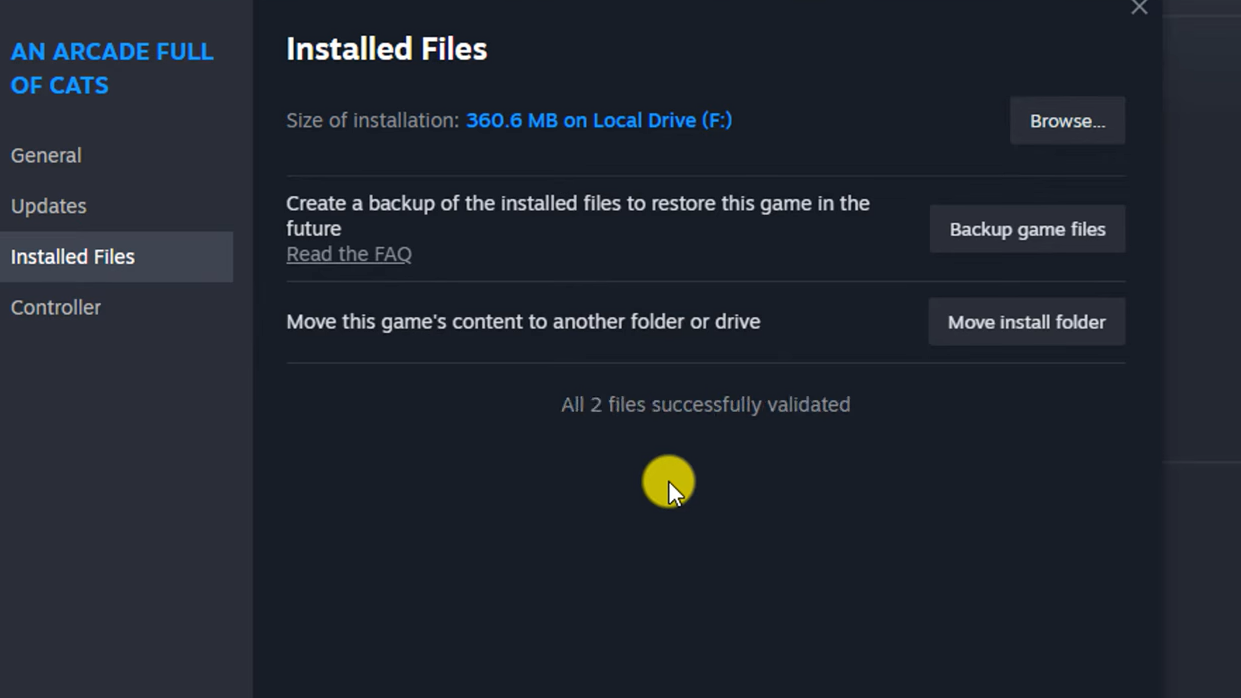
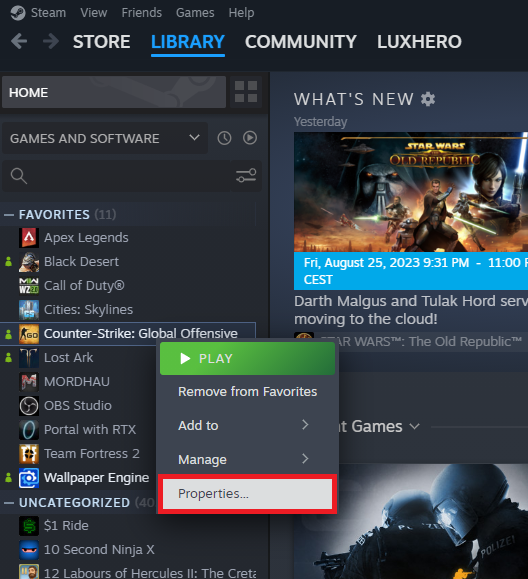
Verify Integrity of Game Files: Right-click the game in your library, go to 'Properties,' then 'Installed Files,' and click 'Verify integrity of game files.' This can fix corrupted files that might be preventing uninstallation.
Manually Delete Files (Use with Caution): If Steam still struggles, you can try manually deleting the game's folder from your Steam library directory (typically `C:Program Files (x86)Steamsteamappscommon`). After manual deletion, right-click the game in Steam and select 'Uninstall' again; Steam should recognize the files are gone and update its records. Be very careful not to delete essential Steam files!
Use a Third-Party Uninstaller: For stubborn cases, a dedicated uninstaller program (like Revo Uninstaller) can often remove leftover registry entries and files that Steam might miss.
Check Disk for Errors: Run a disk check (chkdsk) on your hard drive to identify and fix any underlying disk corruption that might be interfering with file operations.
Remember, patience is key when dealing with these technical hiccups.
Can I Delete Game Saves and Configuration Files Too?
Yes, you can, but it requires a bit more care. When you uninstall a game through Steam, it primarily removes the game's core installation files. Often, save files, configuration settings, and user-generated content are left behind. This is generally a good thing, as it allows you to reinstall the game later and pick up where you left off.
If you genuinely want to purge all traces, you'll need to manually locate these files. Save files are commonly found in:
Documents Folder: `C:Users[Your Username]DocumentsMy Games` or specific game folders.
AppData Folder: `C:Users[Your Username]AppDataLocal`, `Roaming`, or `LocalLow` (this folder is often hidden, so you may need to enable 'Show hidden files' in File Explorer options).
Game Installation Folder: Sometimes, specific config files or screenshots might remain in the game's original Steam directory.
Before deleting any files, especially from `AppData`, it's wise to back them up if you think you might ever want them again. Cloud saves for many modern titles are managed by Steam Cloud; deleting local saves won't affect those unless you explicitly disable Steam Cloud synchronization for that game and then delete local copies.
Tips for Smart Steam Library Management
A well-managed Steam library is a joy to behold and a performance boon. Here are some pro tips:
Regularly Review Your Library: Set a reminder to check your installed games every few months. If you haven't played a game in over a year, consider uninstalling it unless it's a nostalgic favorite you plan to revisit soon. For the busy adult gamer balancing work and family, this makes a huge difference.
Utilize Steam's Categories: Organize your games into categories like 'Played,' 'Backlog,' 'Multiplayer,' 'Cozy Games,' or 'Free-to-Play.' This makes it easier to find what you want and identify games you truly don't need installed.
Prioritize SSD Space: Keep your most-played and performance-critical games on your fastest SSD. Move single-player story games or older titles that don't benefit as much from rapid loading to a larger, slower HDD.
Keep an Eye on Sales for Storage: Hardware upgrades can be budget-friendly. Watch for sales on SSDs, especially during major shopping events. A 1TB NVMe drive is more affordable than ever and can drastically improve your gaming experience, letting you keep more games installed.
Leverage Steam's Storage Manager: The 'Storage' section in Steam Settings isn't just for moving games; it gives you an excellent overview of how much space each game is consuming, helping you make informed decisions.
Conclusion: Reclaim Your Digital Space, Enhance Your Gaming Life
There you have it – a comprehensive guide to understanding and executing game deletions from your Steam library. By mastering these simple steps and adopting smart library management habits, you can free up valuable disk space, ensure your PC runs at peak performance, and keep your gaming experience frustration-free. For the average gamer, who often balances work, family, and a desire for fun and relaxation, these optimizations mean more time playing and less time troubleshooting. Remember, your digital library should be a source of joy, not stress. Keeping it tidy is a crucial step in maintaining that balance.
What's your biggest gaming challenge when it comes to managing your library? Comment below!
FAQ Section
Q: Will deleting a game affect my Steam achievements or trading cards?
A: No, uninstalling a game does not affect your achievements, trading cards, or any other Steam profile progress. These are tied to your Steam account, not the game's local installation.
Q: Can I delete a game if I bought it recently and regret the purchase?
A: Yes, you can uninstall it. For a refund, Steam has a specific refund policy (typically within 14 days of purchase and less than 2 hours of playtime). Deleting the game locally is separate from seeking a refund.
Q: What about Steam Cloud saves? Are they deleted when I uninstall a game?
A: Steam Cloud saves are stored online, separate from your local installation. Uninstalling a game will not delete your cloud saves, allowing you to reinstall the game later and pick up from where you left off, provided Steam Cloud was enabled for that game.
Q: How do I find which games are taking up the most space quickly?
A: Go to Steam settings, then 'Storage.' This window clearly lists all installed games and their sizes, allowing you to sort by size and quickly identify storage hogs.
Q: Is there a way to hide games in my library without deleting them?
A: Yes, right-click any game in your library, select 'Manage,' and then 'Hide this game.' It will be moved to a 'Hidden' category, decluttering your main view without uninstalling it.
Free up disk space, Optimize PC performance, Manage Steam library, Uninstall games easily, Reinstall deleted games, Understand game save locations, Troubleshoot uninstallation issues.
35


How To Uninstall Delete Games All At Once On STEAM Easy Tutorial . How To Delete Games On Mac Free Up Space In 2026 . How To Uninstall A Game On Steam Mac Detroit Chinatown . How To Delete All Game Data On Steam BEST Way YouTube . How To Uninstall A Steam Game PCWorld Click Uninstall



How To Delete Games On Mac Free Up Space In 2026 Howto Delete Steam Games . How To Delete Steam Games Quick Easy Guide V4 460px Delete Steam Games Step 17 . How To Permanently Delete Steam Games From Your Library LevelUpTalk Delete Steam Games 02 25 2026 305c0f52 2636 41dc 9768. Steam Game File On PC What It Does And How To Run It Image 1722 1 . How To Delete Steam Game Save Data Full Guide YouTube

How To Unhide And View Hidden Games On Steam See Hidden Games Steam Deck Big Picture Mode . How To Fix GameGuard Initialize Error In Helldivers Delete Gameguard Folder . The Best Extraction Shooter Games You Can Play On Steam Right Now Most Played Games Steam 2026 2048x1167 . How To Remove Steam Games From Library Permanently Not Just Uninstall . How To Delete Uninstall Game On Steam Account PC 2023 YouTube


How To Delete Steam Games Quick Easy Guide V4 460px Delete Steam Games Step 7 . How To Delete Steam Game Save Data 2025 YouTube . How To Delete Steam Games YouTube . How To Delete Steam Games Quick Easy Guide V4 460px Delete Steam Games Step 4 . How To Reset Steam Games Delete Game Data YouTube



How To Delete Non Steam Games From Steam YouTube . Steam Cloud Save History At Lisa Post Blog . Remove Games From Steam Library FDOMF . Game Bar Stuck Heres How To Restart It 3 Game Properties. Steam March 2026 Client Update Adds Hardware Specs To User Reviews Steam Client Mar 2026


How To Completely Delete Game From Steam In Windows YouTube . How To Delete Game From Steam Library Easy Way YouTube . How To Uninstall And Delete Any Steam Game YouTube . How To Delete Steam Games Quick Easy Guide V4 460px Delete Steam Games Step 18 . How To Completely UNINSTALL And DELETE All Game Files From Steam QUICK


Easy Guide How To Delete All Steam Game Data In 2025 YouTube . How To Delete Steam Games Quick Easy Guide V4 460px Delete Steam Games Step 8 . How To Uninstall A Game On Steam YouTube . How To Delete Game Data On Steam How To Erase Game Data YouTube . How To Permanently Delete Games From Steam PCWorld Steam Delete Game 100631673 Large